

At Vesna Hotel Nha Trang and Emerald Bay Hotel & Spa Nha Trang, slow travel is not about doing less, but about savoring more of every moment. General Manager Vo Quang Hoang shares how an unhurried breakfast by the sea, a quiet afternoon by the pool and a heartfelt tip from a local can turn a beach vacation into time to rest, reconnect and truly feel the rhythm of the coastal city.
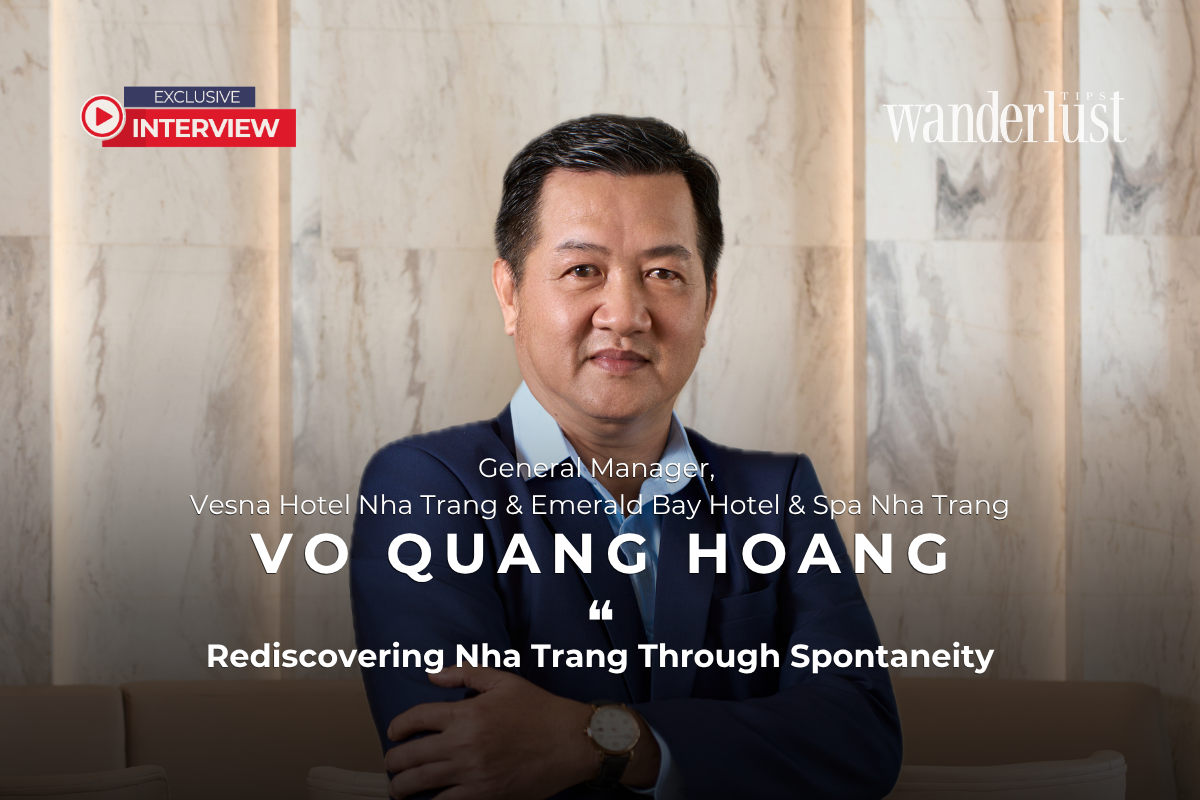
Dear Mr. Vo Quang Hoang, thank you for taking the time to speak with Wanderlust Tips about the art of slow travel at Vesna Hotel Nha Trang and Emerald Bay Hotel & Spa Nha Trang, as part of our special feature, The Art of Slow Travel. We are delighted to have you with us. Many travelers visiting Nha Trang follow packed itineraries. What inspired you to steer Vesna Hotel and Emerald Bay Hotel & Spa toward the “Slow Travel” philosophy, helping guests slow down?
I believe Nha Trang is not a destination that travelers need to “race through” in just a few days. The city has blue seas, sunshine, a relatively relaxed pace of life and many experiences that are best enjoyed slowly. Those very qualities inspired us to bring the spirit of “Slow Travel” into the guest experience at Vesna Hotel and Emerald Bay Hotel & Spa.
For us, Slow Travel does not mean guests have to do less; it means enjoying more of every moment. Instead of spending most of their time moving from one place to another, guests can start the day gently with breakfast, spend time by the pool or on the beach, unwind at the spa, enjoy a good meal and then explore the city at leisure, whenever they truly feel like it.
Vesna and Emerald Bay are conveniently located, so guests can easily reach Nha Trang’s attractions, yet there is still enough space for them to want to stay in and enjoy their vacation at their own pace.
I hope that when guests leave, they remember not just how many places they visited, but how they felt during their trip: a morning by the sea, some time relaxing by the pool, or simply an evening without any rush. That is also what we want Slow Travel to bring: a vacation that is truly about resting, connecting and recharging.
Without adding overly complex activities, how do you turn simple, essential elements such as guest rooms or swimming pools into compelling reasons for guests to pause and relax?
I have always believed that a memorable vacation does not have to be built from lots of activities or extraordinary experiences. Sometimes, what we really need after busy days is simply a place pleasant enough for us to slow down, take a deep breath and not have to rush anywhere.
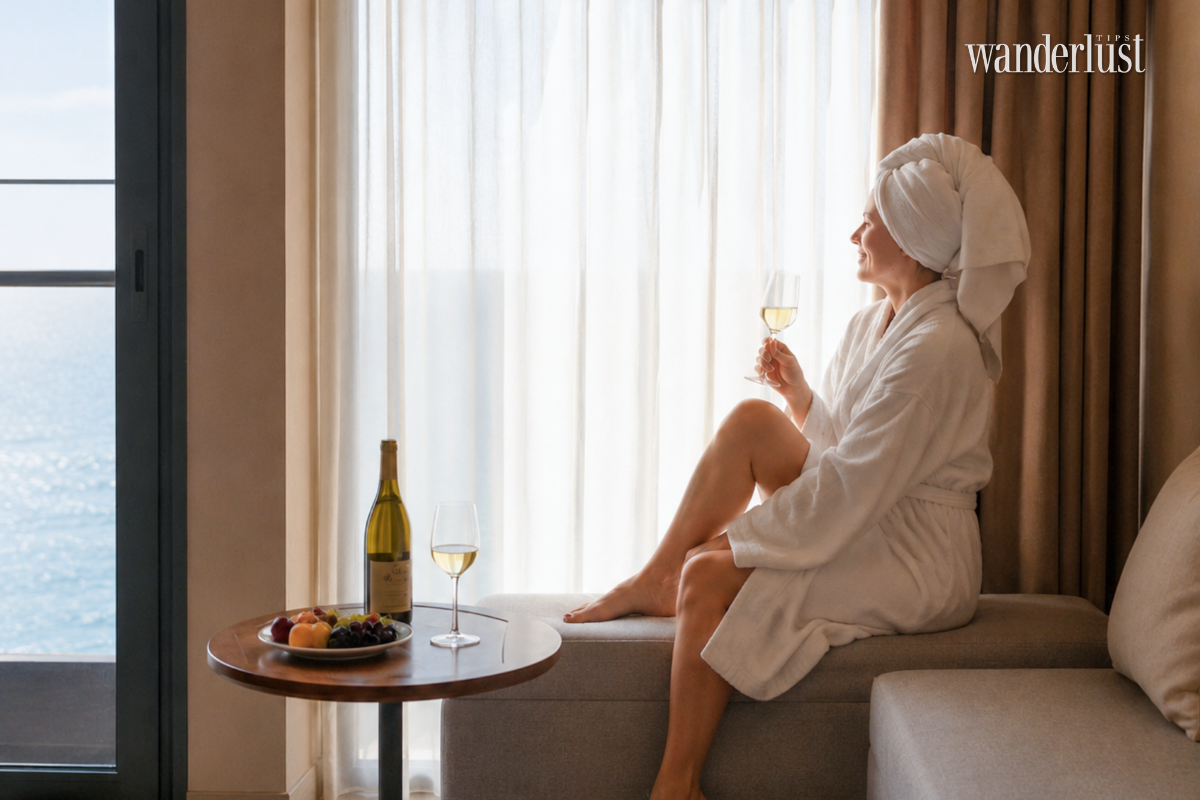
That is also how we see the experience at Vesna and Emerald Bay. We don’t want guests to feel that they must constantly look for something outside the hotel to make their trip worthwhile. On the contrary, we want the very simple things in a day off (a sea-view room, the morning sunshine, an unhurried breakfast, a few hours by the pool, an afternoon at the spa or a drink while gazing at the sea) to become moments they truly want to keep.
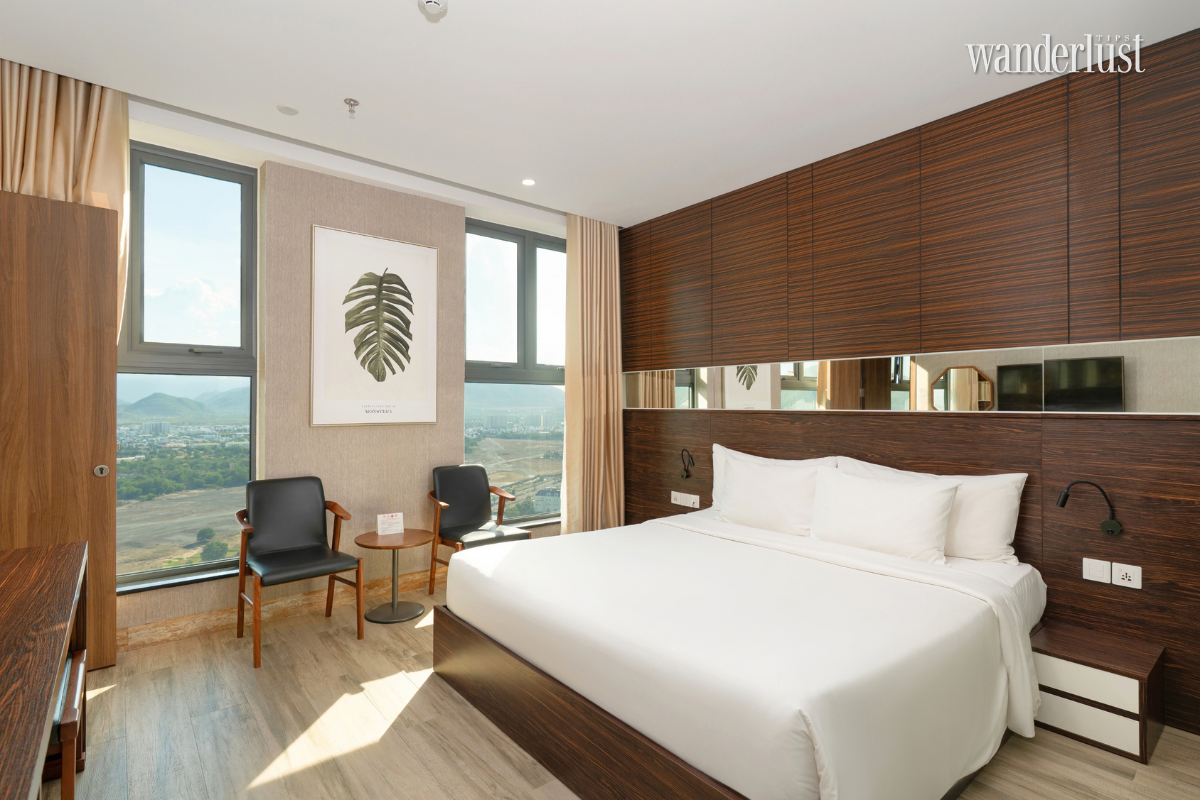
To us, a room is not just a place for guests to return to after a day of exploring Nha Trang. It can be where they wake up without setting an early alarm, draw the curtains and see the sea, stay in bed a few more minutes, or simply sit by the window with a cup of coffee. These moments are small, but that very sense of peace is sometimes what people look for most on vacation.
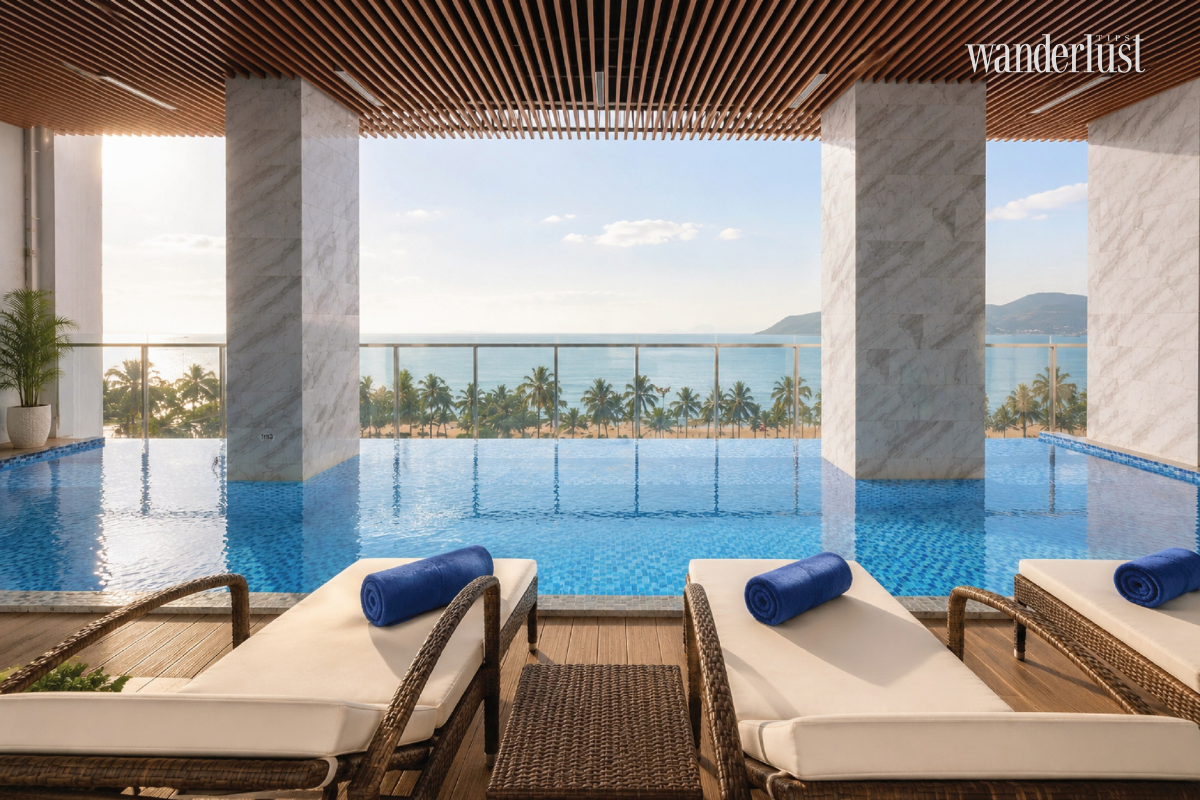
The same goes for the pool. We don’t necessarily need to make it a place that is always bustling. We want to create a space where guests can linger a little longer. Perhaps a few laps in the morning, an afternoon lying by the pool with a book, chatting with loved ones, or simply sitting there looking out at the sea. No need for a packed schedule, no need to keep checking in or moving around: just giving yourself time to enjoy the present.
I think that is exactly the meaning of “Slow Travel” we want to pursue. Slowing down does not mean missing out; sometimes it means noticing the things we usually miss because we are in too much of a hurry.
When daily life is already full of notifications, appointments and things to get done, a vacation should perhaps be a time when we don’t have to “do” too much. It is a time when we can give more of ourselves to the people traveling with us, to a conversation, to a meal, to letting the body rest and the mind be still.
So what we hope for is not to create a long list of activities for guests to complete during their stay. We want to create a space comfortable enough for each person to choose their own rhythm.
And if, after leaving Nha Trang, what guests remember most is not how many places they went, but a very peaceful morning by the sea, an afternoon lounging by the pool or the feeling of truly resting after a long, busy stretch, then I think we have, in part, achieved what we set out to do.
Because in the end, a hotel is not just a place to stay. I think what matters more is that we can create a time for someone to come back to themselves, even if only for a few days.
In your view, what core value should a breakfast or a spa treatment at the two hotels bring to a guest’s state of mind, beyond simply being a standard service?
I think if breakfast or a spa treatment is seen merely as a service, it can easily become just another item on the list of things guests “have used” during their stay. But if we see it as a moment in the guest’s journey, its value can be entirely different.
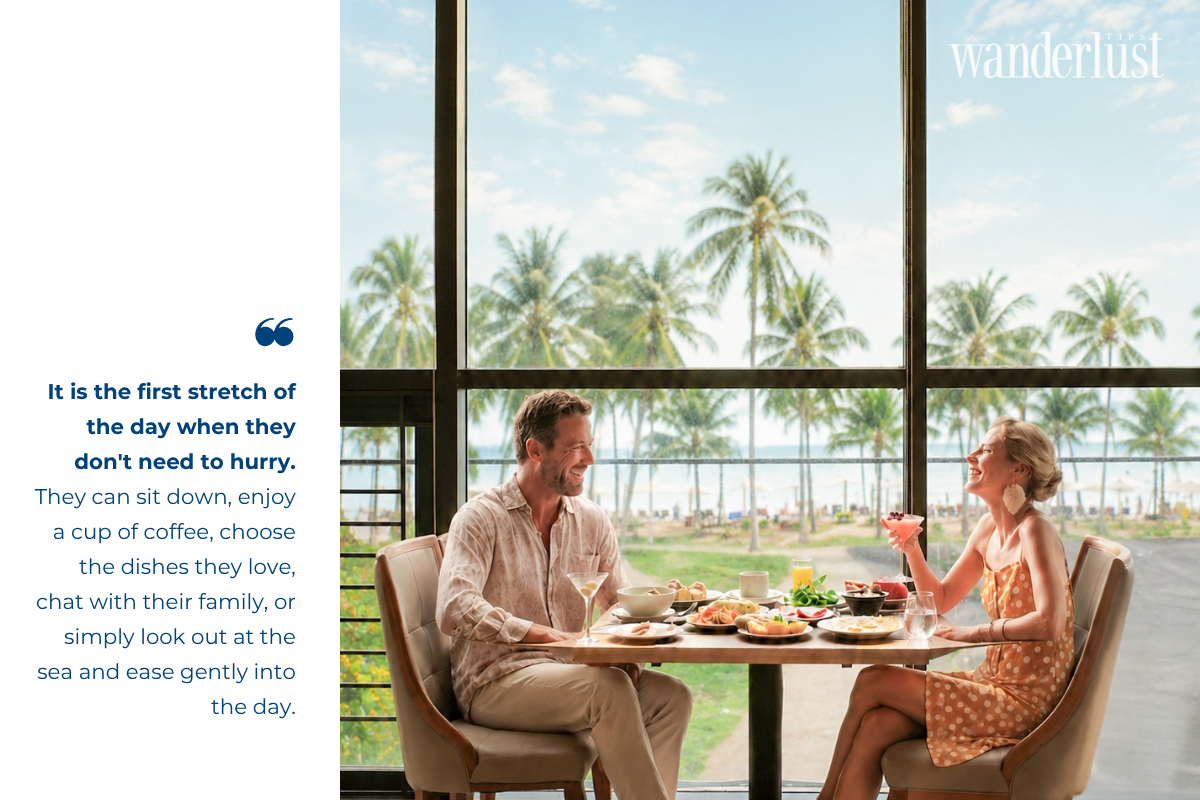
For me, breakfast at a hotel is not simply about guests eating their fill before starting a new day. It is the first stretch of the day when they don’t need to hurry. They can sit down, enjoy a cup of coffee, choose the dishes they love, chat with their family, or simply look out at the sea and ease gently into the day.
In the spirit of “Slow Travel” especially, we want breakfast to become a very simple reminder that there is no need to rush today. You can spend an extra 15 to 20 minutes at breakfast, have another cup of coffee, and enjoy the sunshine and the space around you. These seemingly small things are what make a vacation feel different.
The same is true of the spa. We don’t want the spa to be seen merely as a body-care service. After stressful working days, sometimes what a person needs is not one more activity on the schedule, but a stretch of time when they can put everything down completely.
A massage, a touch of fragrance, the quiet and time without interruption can help the body loosen up, but more importantly, they give the mind a chance to rest. It is a time when guests don’t need to reply to messages, think about what’s next on the schedule, or “do” anything at all.
I think the greatest value of these experiences lies in the feelings guests carry with them afterwards, not just in the service we provide.
A good breakfast can help them start the day in a happier mood. A good spa treatment can leave them feeling lighter. An afternoon by the pool can make them realize it has been a long time since they truly sat still.
And if, when they return home, they feel they have slept better, talked more with their loved ones, felt less stressed and gained more energy for everyday life, then to me, that is the true value of hospitality.
How does the prime oceanfront location in Nha Trang help you create a serene atmosphere where guests can easily reconnect with themselves?
For me, the greatest advantage of a seafront location lies not only in the view, but in how the sea becomes a natural part of the guest experience. In Nha Trang, the sea is not a stop that guests merely pass by on their itinerary; it is present in the rhythm of daily life, from the morning light and the coastal roads to the way the city runs and connects with the sea.
At Vesna and Emerald Bay, our location on Tran Phu Street allows us to bring guests closer to that rhythm. They can easily step out of the hotel to walk, discover local food, get to know the city, or simply watch how Nha Trang wakes up and transforms over the course of the day.
What I appreciate about Nha Trang is the balance between a lively tourist city and very everyday spaces. Just by stepping out of the hotel, guests can feel the movement of the seaside city, yet when they return, they still have a space of their own to enjoy their vacation in their own way.
That is why we don’t want to create an experience that is cut off from Nha Trang. On the contrary, we want the hotels’ location to be a point of connection, so guests can enjoy a restful retreat while experiencing the coastal city at the closest and most natural distance.
Many people view “Slow Travel” simply as staying in one’s room. How would you explain the difference between passive resting and a meaningful, intentional slow travel journey?
I think the difference lies in whether travelers actively choose how they experience a destination. Simply resting can be a pause after an exhausting schedule, whereas a Slow Travel journey is more intentional, in that each person decides for themselves what truly matters to them during that time.
Some may spend the whole morning at the hotel, lingering over breakfast and reading by the pool. Others may want to head out, walk the streets of Nha Trang, find a local eatery or chat with local people. There is no fixed formula for Slow Travel, because every traveler has a different way of connecting with a destination.
What matters is that they don’t feel they are working through a to-do list. They can choose an experience because they really want to explore it, spend more time on something that delights them, or simply change their plans because they realize they want to stay longer in one place.
For us, that is also why a hotel needs to provide enough space and flexibility for guests to set the rhythm of their own vacation. We don’t want to tell them how a proper vacation should unfold. We want to offer a wide enough range of choices so that each person can create a journey that suits them.
Because sometimes, a memorable journey doesn’t come from how many things we managed to do, but from truly wanting to do them.
How does the team at Vesna and Emerald Bay care for guests so that they feel real warmth and local cultural touches in even the smallest interactions?
I have always believed that a hotel can have beautiful architecture, lovely rooms and fine amenities, but in the end, what guests feel is still shaped by people. So for us, hospitality lies not only in a service procedure, but in how each team member truly observes and listens to guests.
Sometimes it is remembering a guest’s small preference, stepping in to help when they need it, or simply taking a little extra time to chat and share a Nha Trang recommendation that we ourselves truly love. We train and encourage our team not only to answer guests’ questions, but to tell them about the city from the perspective of the people who live and work here.
I don’t think local character has to be “put on display” like a cultural product. It can come through very naturally in the way we welcome guests, in a dish with local flavors, in a story about Nha Trang, or in a sincere suggestion from one of our team members to their guests.
When these things happen naturally, guests won’t feel they are being “served by the script”, but truly welcomed by a local.
When guests wish to explore Nha Trang in their own way, how do the hotels support them in connecting with the local community and culture?
I think the hotel’s role is not to decide for guests where they should go, but to be a good starting point for them to explore Nha Trang on their own.
Located right on Tran Phu Street, Vesna and Emerald Bay are well placed for guests to step out of the hotel and tap into the city’s rhythm of life. But instead of handing out a long list of must-visit places, we want to listen to what each guest is really interested in. Some want to learn about the food, some love history and culture, and some just want to walk, have a coffee and watch local life go by.
From there, our team can offer suggestions better suited to each person’s interests and time, from well-known landmarks to more everyday experiences such as local markets, Nha Trang cuisine or cultural spaces they can discover on their own.
Because in the end, connecting with a destination doesn’t have to begin with a perfectly arranged tour. Sometimes it begins with a conversation, a local dish, a resident you happen to meet, or a street you decide to walk down instead of taking a taxi.
That is also the Slow Travel spirit we want to bring to Nha Trang: not just for guests to see the city, but for them to have time to feel how the city lives.
Managing both Vesna and Emerald Bay, how do you maintain this deep guest-care philosophy across both properties while preserving the unique identity of each?
For me, service quality is a shared standard, while each hotel’s personality is shaped by its own space, people and story. So overseeing Vesna and Emerald Bay does not mean applying the same formula to both hotels; it means upholding one consistent spirit of service, then letting each brand tell its story in its own way.
At Vesna Hotel, we direct attention to the seaside rhythm of life and the slow, relaxing moments of Nha Trang. From the design of the guest rooms to the cultural destinations we suggest to travelers, everything encourages them to spend more time experiencing this city more fully. Emerald Bay, meanwhile, has a different character. Tucked into a seaside lane on Tran Phu Street, its rhythm of life is more closely tied to local scenes. Its services and experiences are designed so guests can discover Nha Trang like a local, while still finding a quiet space of their own at the end of each day.
What I want to keep at both hotels is the same standard in every detail of service. The difference lies in how each property connects guests with Nha Trang. As I see it: “A worthwhile trip sometimes doesn’t come from how many places we have checked in at, but from how much time we have spent truly seeing, listening to and feeling each land we set foot on.”
For you, a successful trip isn’t measured by the number of check-in spots visited. What emotion or lasting memory from departing guests gives you the greatest satisfaction?
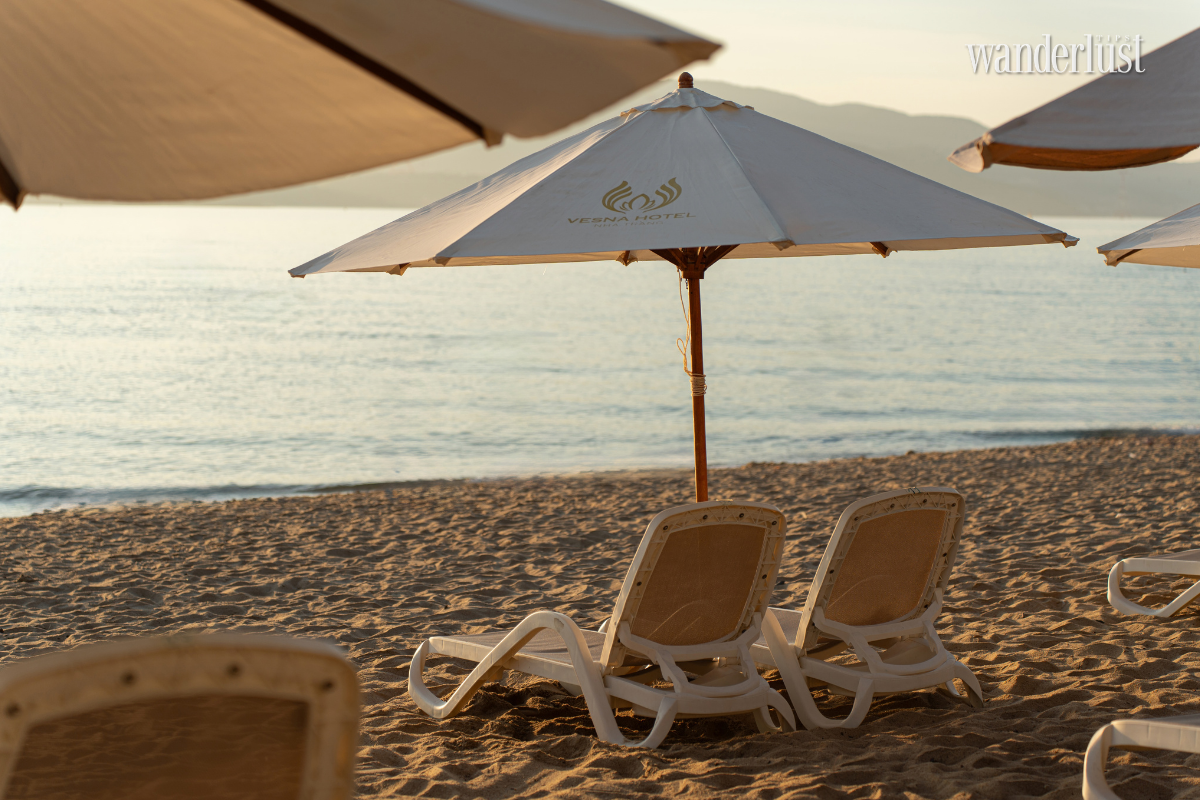
Your question reminds me of a Russian family who stayed at Vesna Hotel for a summer vacation together. What struck me was a scene from a simple afternoon on the hotel’s private beach: while the parents sat leisurely by the shore, their young son suddenly became fascinated by the ghost crabs scurrying across the sand.
At first, the parents simply watched him play. But soon, the boy’s curiosity drew both of them in. From studying the tiny tracks in the sand and trying to get close without making the crabs run off, to his endless questions about these little creatures, an ordinary afternoon by the sea turned into a very special “adventure” for the young family. To adults, it might have been just a crab, but for the child, a whole new world had just opened up.
I think that is one of the most beautiful things about slow travel. When they are not swept along by a packed schedule, parents have time to see what their child is captivated by. They are not only taking their child somewhere new, but also have the chance to step into their child’s world and listen to the questions, the curiosity and the very natural joy of a little one. And sometimes, it is precisely these moments, found in no itinerary, that become the memories recalled most often after the trip.
After they came back to the hotel, I had the chance to chat with the family, and they eagerly told me about the crabs on the beach, as though it were something they truly treasured. Little did they know that I had been standing there watching for quite a while, sharing in that precious joy with them.
On the day they left, they left a note of thanks for the five-star amenities they had enjoyed, and even more so for the moments of truly “living” with this place and connecting with one another in the fullest way. That is what gives me the greatest satisfaction.
What new perspective do you hope this slow travel philosophy will offer travelers when they reflect on their beach vacation in Nha Trang?
I hope that when travelers leave Nha Trang, they will remember not only the photos they took, but also an everyday Nha Trang, where the sea is present in every rhythm of their days. I hold the belief that slow travel is a way for travelers to take more time to see the city more slowly, and to realize that behind the bustle of this seaside city lies a whole cultural life nurtured over the years.
It might be a morning at the fishing port, watching the boats return after a night at sea, hearing the voices of people buying and selling seafood and sensing a way of life that has been bound to the sea for a very long time. It might also be a walk through the coastal fishing villages to learn how the locals practice their trade, or a visit to traditional craft villages passed down through many generations. These images are not glamorous, but they make up a very distinctive part of Nha Trang’s memory.
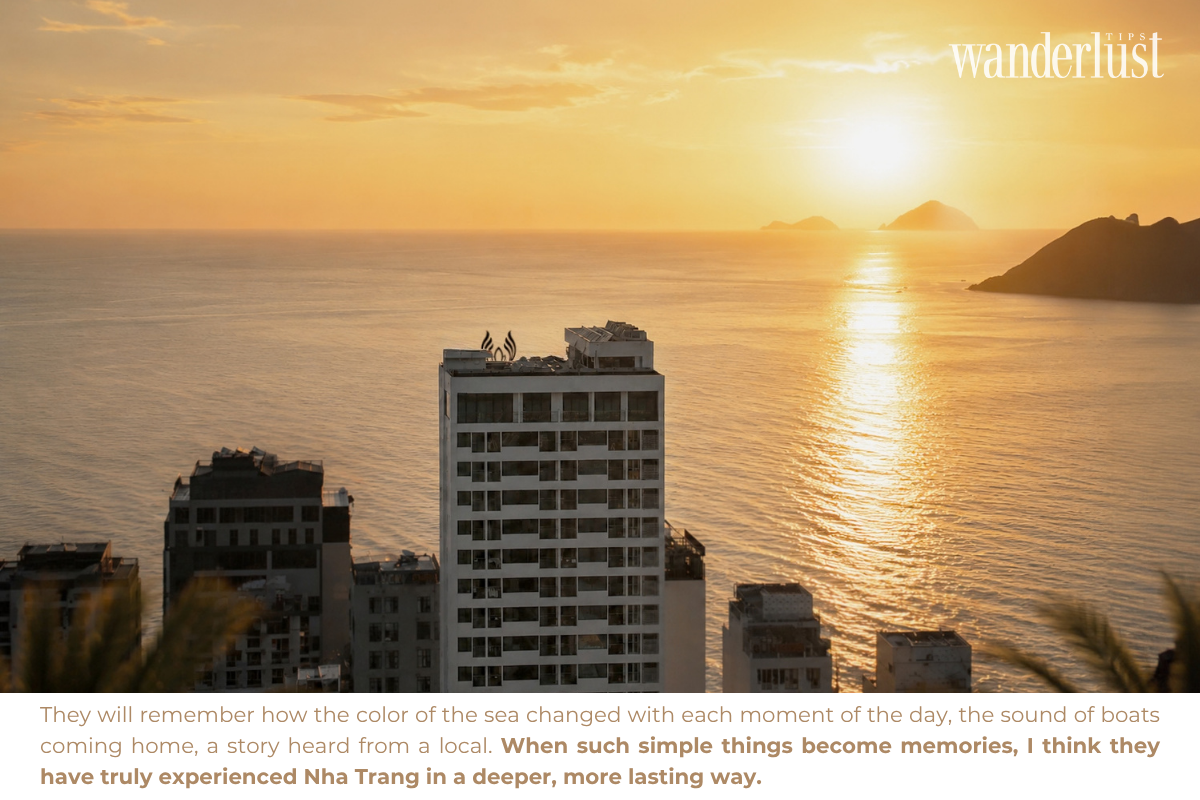
In the end, what I hope is that when Nha Trang is mentioned, travelers will remember more than a tourist spot on the map. They will remember how the color of the sea changed with each moment of the day, the sound of boats coming home, a story heard from a local. When such simple things become memories, I think they have truly experienced Nha Trang in a deeper, more lasting way.
Thank you, Mr. Vo Quang Hoang, for sharing your valuable insights into the art of slow travel at Vesna Hotel Nha Trang and Emerald Bay Hotel & Spa Nha Trang. Wanderlust Tips wishes you and your team continued success.
About Vesna Hotel Nha Trang and Emerald Bay Hotel & Spa Nha Trang
Set along seafront Tran Phu Street, Vesna Hotel Nha Trang and Emerald Bay Hotel & Spa Nha Trang offer two distinct takes on a holiday in the heart of the coastal city. With 355 rooms, Vesna Hotel Nha Trang focuses on gentle, restful experiences and moments of family togetherness, with direct views over Nha Trang Bay.
Meanwhile, Emerald Bay Hotel & Spa Nha Trang, with 235 rooms, impresses with its modern design, wide range of amenities and convenient location for exploring Nha Trang’s distinctive culture. Both part of BelGroup Hospitality, the two hotels share consistent service standards while offering experiences of their own to every guest.
Whispers of the Forest Beneath Garrya Mù Cang Chải’s Bamboo Roof