

Under the sun-drenched Mediterranean sky, it’s easy to spot large glass pitchers shimmering with a ruby-red drink that catches the light. That drink is Sangria – now a symbol of the Iberian Peninsula, of lively late afternoons, and of a slow, warm way of living infused with the aroma of wine. Few people realize that behind those vibrant pieces of fruit and that sweet, easy-to-sip flavor lies a centuries-long story woven with culture, history, and a fair share of legend.
Ancient Roman Shadows: The Earliest Origins
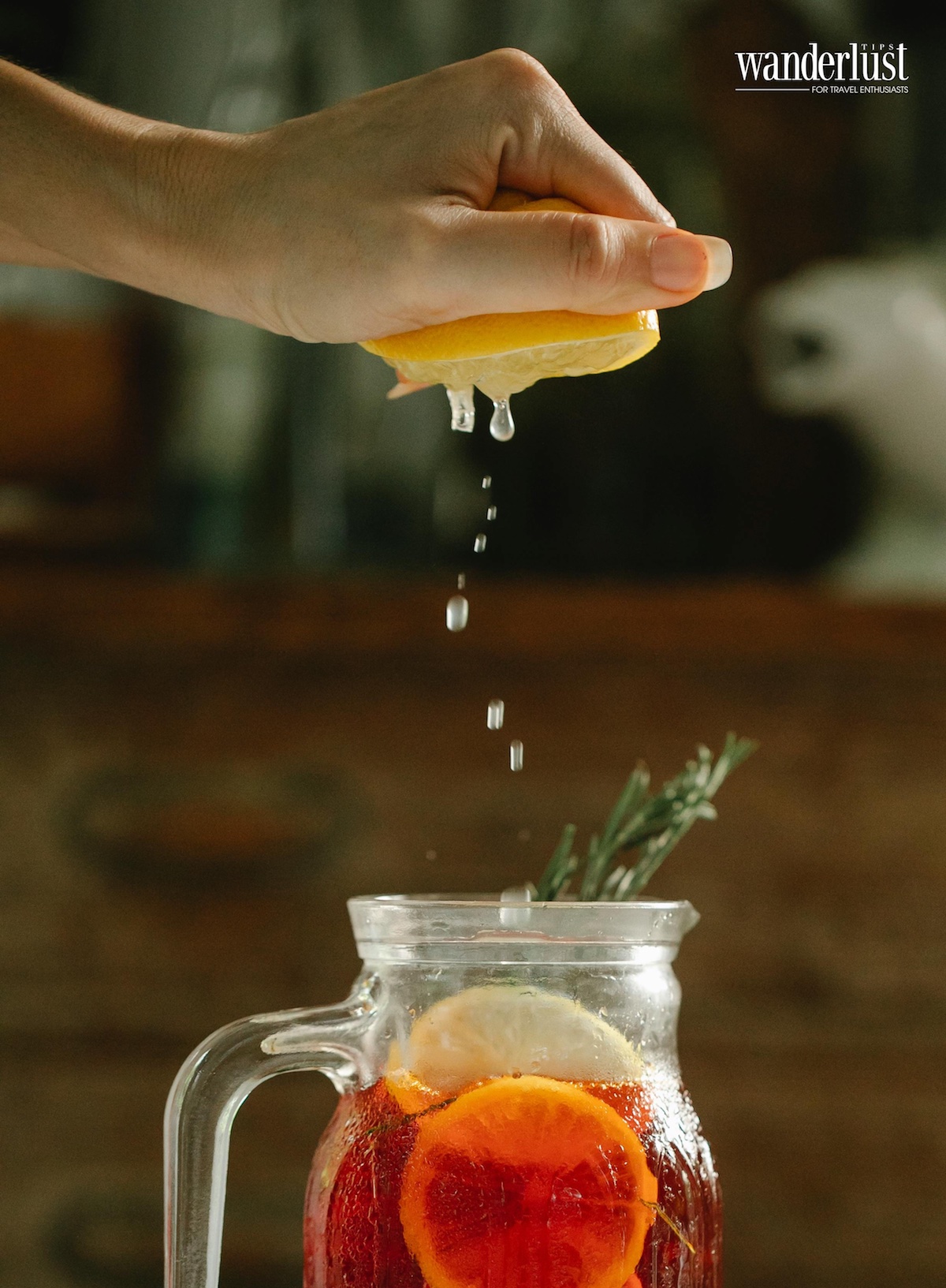
Sangria is often considered a Spanish specialty, but its deeper roots trace back more than two thousand years to the marching legions of ancient Rome. When the Romans conquered the Iberian Peninsula, they brought wine – an essential part of Mediterranean life. Because water during that era was often unsafe to drink, people mixed wine into it for purification. Over time, they added herbs, honey, and local fruits to improve flavor. This humble mixture was the distant ancestor of today’s Sangria.
The name “Sangria” appeared much later. Many researchers believe it derives from ‘sangre’, the Spanish word for “blood,” a nod to the deep red hue of the wine used. Others suggest the term may be connected to the punch-style drinks popular in England in the 18th century, when trade with Iberia was thriving. Whatever its linguistic roots, the evocative name soon became inseparable from a drink that embodied community, warmth, and the laid-back spirit of southwestern Europe.
A Farmer’s Drink and Its Place in Spanish Culture
For centuries, Sangria was primarily a drink of laborers and rural communities in Spain and Portugal. Local wines weren’t always exceptional, but once blended with fresh fruit – orange, apple, peach, grapes and a touch of sugar or honey, they transformed into something refreshing and pleasant, perfect for field meals and summer festivals.
Sangria carved out a lasting place in Spanish social life. At fairs, Flamenco gatherings, and family reunions, large pitchers of Sangria were a fixture – symbols of sharing and togetherness. Not too strong, not too expensive, Sangria reflected the openhearted, free-spirited nature of Spanish people: anyone could drink it, anyone could tweak the recipe, and everyone could raise a glass to the simple joys of life.
Stepping Into the World: The Milestones
Although Sangria had existed in Iberia for ages, it didn’t reach a global audience until the 20th century. One of the biggest turning points came at the 1964 World’s Fair in New York. At the Spanish pavilion, visitors were served chilled, fruit-filled red Sangria. Almost instantly, Americans fell in love with its sweet, light, refreshing taste. In just one summer, Sangria became the star of outdoor parties and Spanish restaurants across the United States.
From there, it spread throughout North America, Europe, and eventually Asia. Today, you can find Sangria just about anywhere – from tapas bars in Madrid to the windswept beaches of Ibiza, from California backyard barbecues to Latin-style bars in Ho Chi Minh City or Hanoi.
Endless Variations and Creative Twists
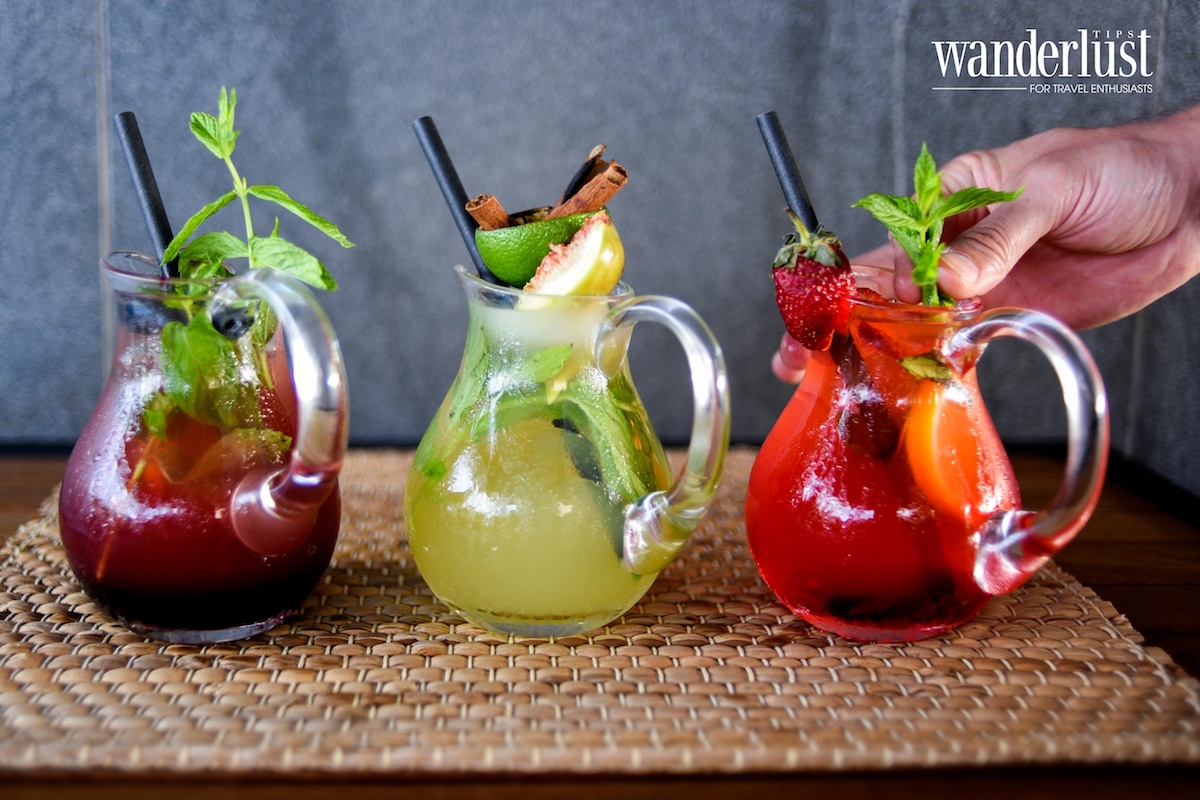
One of the reasons Sangria has endured for so long is its versatility. The most traditional version – red Sangria – uses Spanish red wine, typically Tempranillo or Garnacha. But as mixology evolved, Sangria branched out in countless directions:
White Sangria (Sangria Blanca): made with white wine – light, crisp, perfect for summer.
Rosé Sangria: blending rosé wine with red fruits like strawberries or raspberries.
Smoothie-style Sangria: adding blended fruit or fruit syrups for extra sweetness and body.
Sparkling Sangria: using sparkling wine or cava, ideal for festive occasions.
Modern bars experiment even further, incorporating gin, rum, or liqueurs for added depth. Yet no matter how it changes, the communal essence – a big pitcher packed with ice and fruit – remains constant.
A Cultural Symbol of the Joyful Life
If Portuguese wine evokes introspection and Spanish sherry carries an old-world charm, then Sangria represents pure joy. It’s not as fussy as a cocktail, nor as serious as fine wine. Sangria feels like an invitation: sit down, relax, talk, and enjoy the moment.
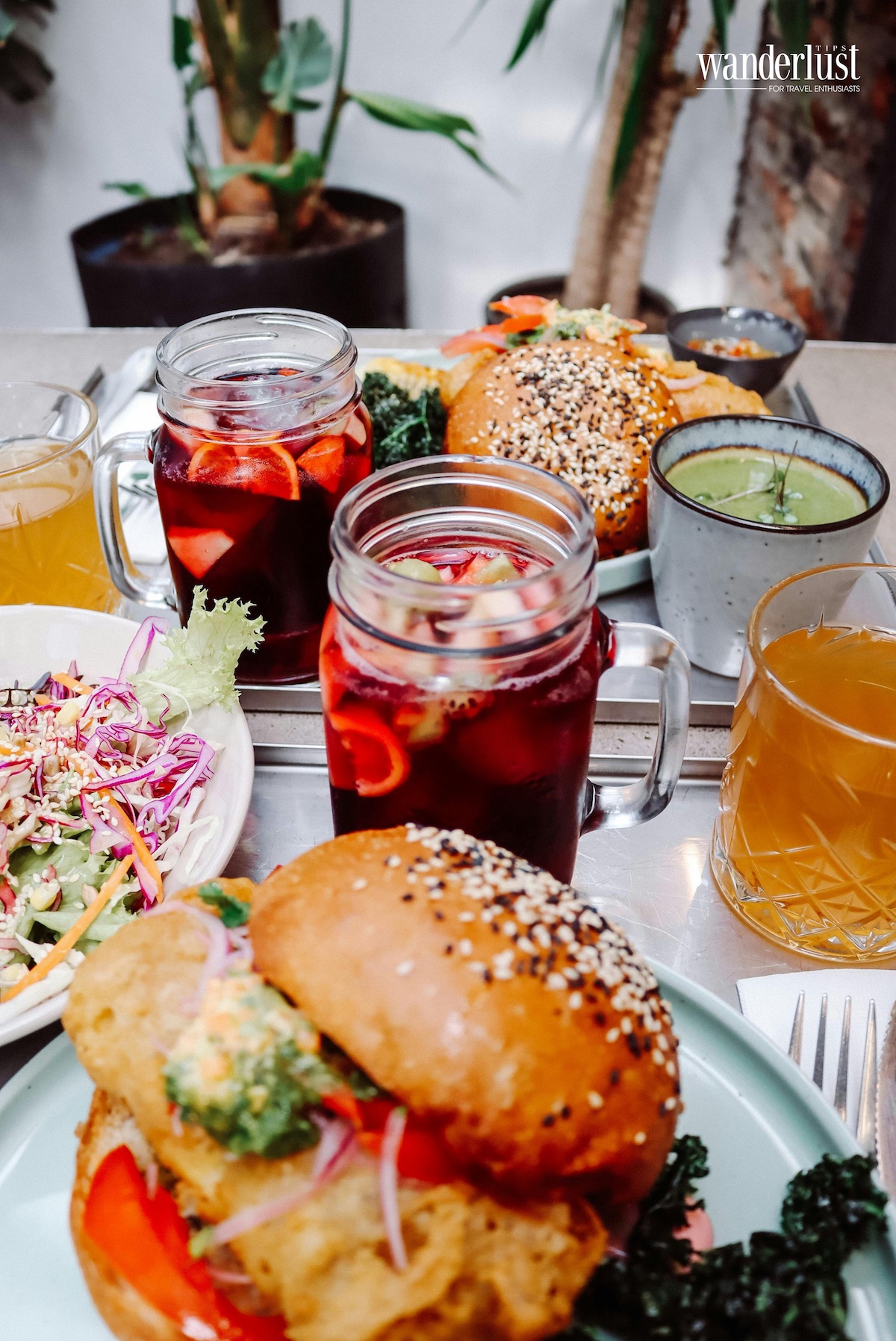
In Spain, even the humblest tavern can serve an unforgettable pitcher. As the sun begins to set, people gather around small outdoor tables, laughter mingling with the clinking of glasses. Sangria isn’t just something to drink – it’s a catalyst for conversation, connection, and lasting memories.
With its vibrant red color and cool sweetness, Sangria is more than a beverage. It carries the long story of Iberian history, of cultural blending dating back to Rome, and of Spanish communal life across the centuries. From a farmer’s refreshment to an international party icon, Sangria shows how a simple drink can transcend borders and time to become part of global culture.
And when you lift a glass of Sangria on a warm afternoon, you share a taste of the Iberian spirit – unhurried, joyful, and wholeheartedly alive in every breath of life.