

Before “slow travel” became a term the travel industry reached for, Michael Højgaard and his partners chose a remote, rocky ridge in Sa Pa to begin Topas Ecolodge, guided by a simple belief: a building should live in harmony with nature, not overpower it. More than two decades on, as Sa Pa has transformed with cable cars and new waves of tourism, that belief remains intact in every stone, in every local villager who makes up the Topas team. Wanderlust Tips sat down with him, CEO of Topas Explorer Group, to talk about keeping that humility from fading over the years.
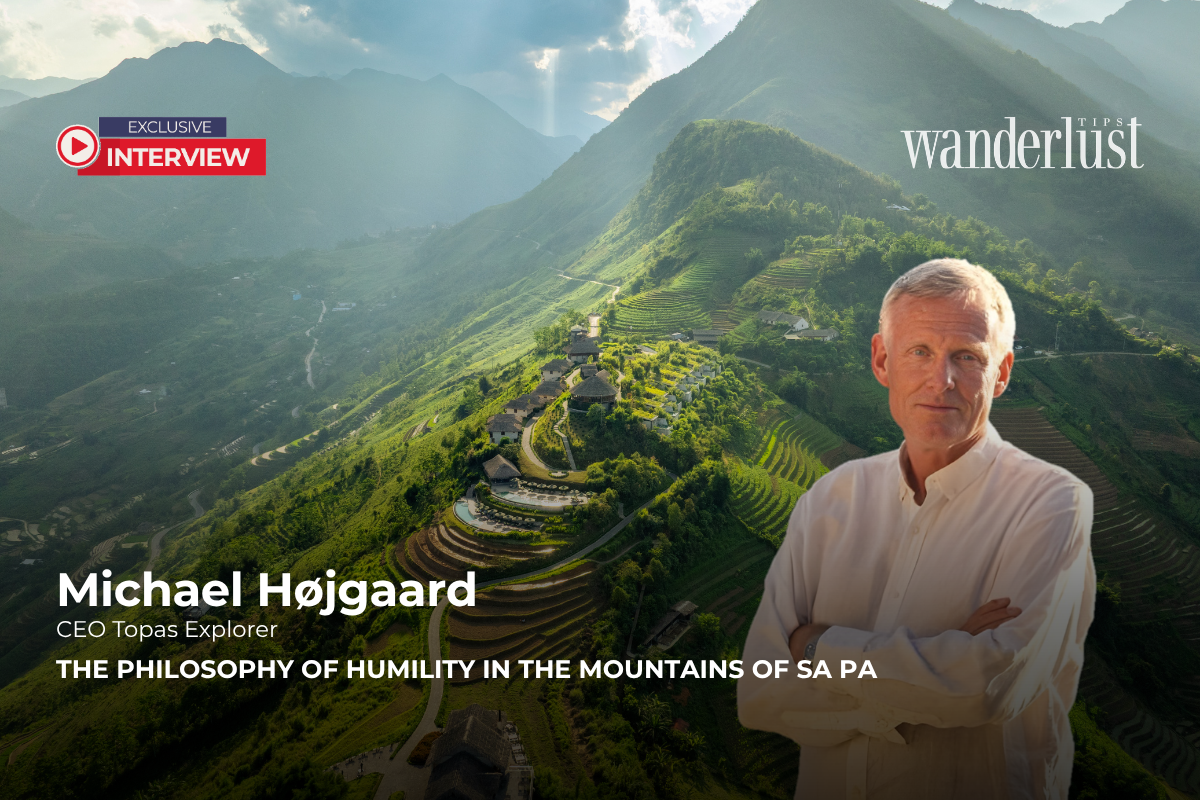
Mr. Højgaard, thank you for taking the time to speak with Wanderlust Tips about Topas Ecolodge. We are delighted to have you with us today.
Topas Ecolodge began not as a hotel project but as a partnership between a travel company with roots stretching back to 1973 and a local Sa Pa family who first led you to this granite ridge. What did you see in that landscape, and in that partnership, that told you this could become a home for slow travel long before the term became fashionable?
The choice of this granite ridge was guided by a vision to find a location that commanded respect rather than one that invited exploitation. At the time, the landscape offered a rare combination of raw beauty and isolation, providing the ideal foundation for a project rooted in environmental harmony.
The partnership with the local family was essential to this vision. It provided a bridge between the Danish tradition of trekking and minimalism and the deep-rooted hospitality of the Sa Pa mountains. It was clear that by combining these two heritages, the project could offer an experience that remained relevant regardless of changing travel trends.
Long before ‘slow travel’ was defined as a market segment, the focus was simply on providing a front-row seat to the natural rhythm of the valley. The goal was to create a space where the landscape remained the primary protagonist, ensuring a timeless quality that continues to define Topas Ecolodge today.
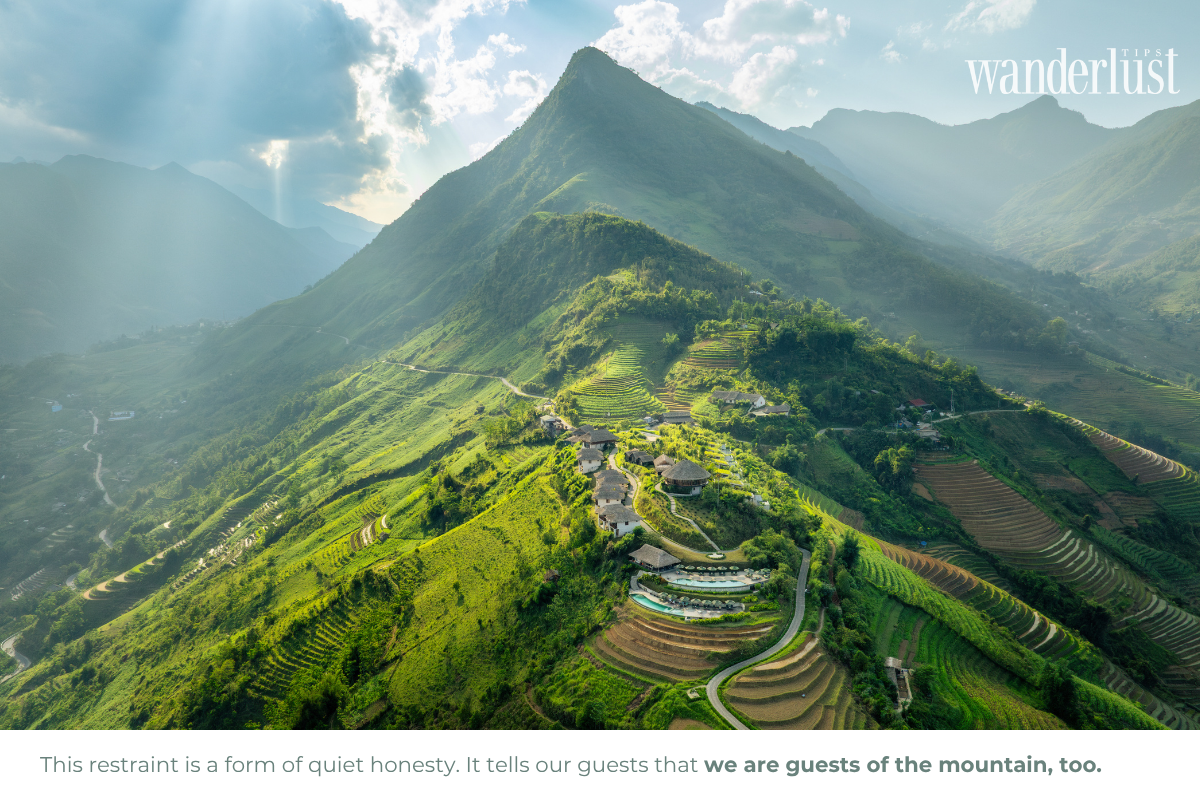
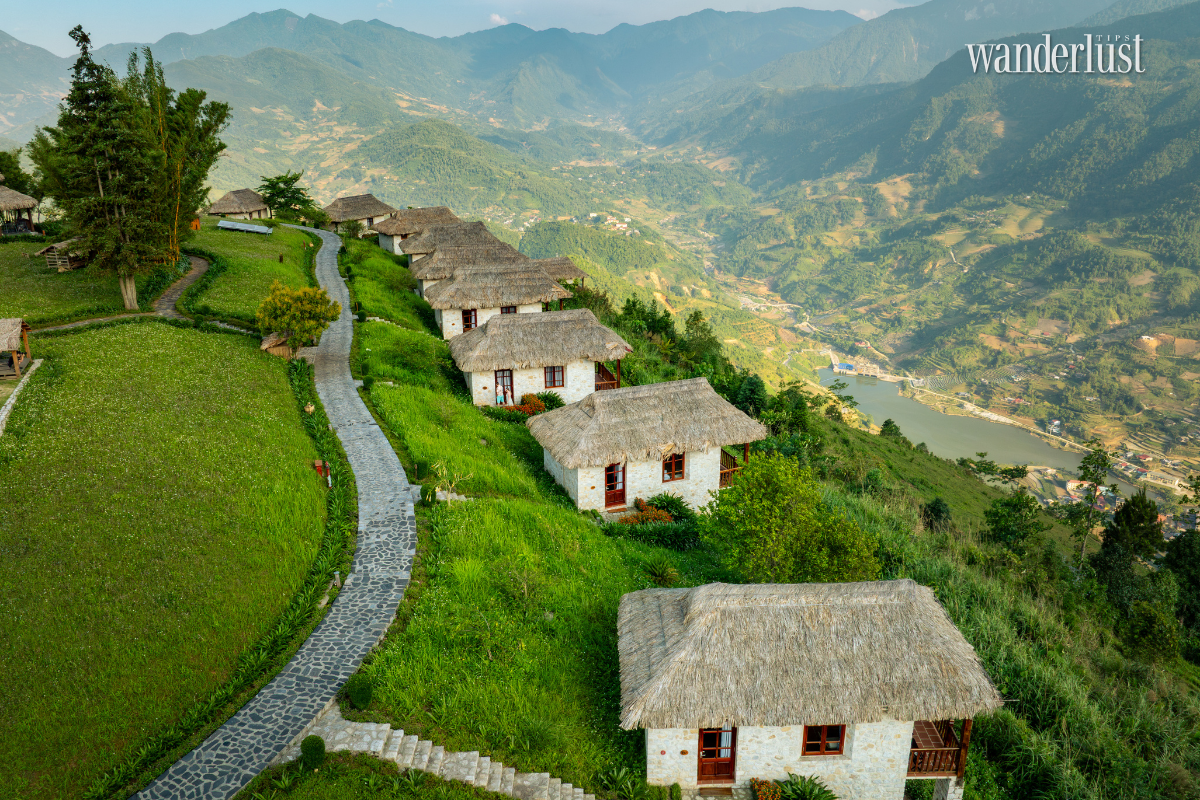
Rather than build with imported materials or a conventional five-star vocabulary, Topas Ecolodge was carved from local white granite, echoing the stones of Sa Pa’s own Notre Dame Cathedral. Why did that restraint, building slowly, deliberately, from what the mountain itself offered, matter so much to you?
We believe a building should belong to the earth it stands upon. Using local white granite wasn’t the easy choice, it was the right one. By carving the lodge from the mountain’s own bones, we ensured that the structures would weather and age alongside the landscape.
This restraint is a form of quiet honesty. It tells our guests that we are guests of the mountain, too. Building slowly allowed us to listen to the land, ensuring that every bungalow felt like an extension of the ridge rather than an intrusion upon it.
Ninety percent of your team comes from the neighboring Hmong, Dao, Giáy and Tày communities. In an industry that often imports its hospitality standards, what made you choose to build yours from the ground up, with the people who already call these mountains home?
In the early days, our founder experienced a level of sincerity in these mountains that no five-star training manual could ever teach. To us, hospitality isn’t a performance; it’s a human connection. We chose to build our team locally because these communities are the true custodians of the land. While we provide the technical training and stable opportunities, they provide the soul. When a guest is welcomed by someone whose family has lived in the valley for generations, the experience becomes authentic.
We don’t just offer jobs; we grow together, ensuring the vibrant ethnic culture remains the protagonist of the Topas story.
Guests who forgo daily housekeeping in exchange for an eco-token are, in a small way, being invited to slow down and consume less. Was this always meant as a quiet lesson in restraint, or did the idea emerge from something more practical?
It is a beautiful intersection of both.
Our operations team lives and breathes our sustainability philosophy, and they realized that guests often want to contribute but don’t know how. The “eco-token” isn’t a lecture; it’s an invitation, a reminder. It transforms a passive stay into an active choice.
By forgoing a daily towel change, a guest isn’t “losing” a service; they are gaining the satisfaction of knowing they’ve helped preserve the very water that feeds the rice terraces below. It proves that sustainability doesn’t have to be a sacrifice, it can be a shared value, and comes from small gestures.
Sa Pa has changed dramatically in the past decade, cable cars, new resorts, a rush of mass tourism reaching the summit of Fansipan. How do you see Topas Ecolodge’s role now, as a counterpoint to that speed, and does that responsibility weigh differently on you today than it did in 2005?
We don’t view ourselves as a “counterpoint” in a negative sense, but rather as an alternative path.
Sa Pa is evolving, and diversification is natural for any growing destination. However, as the world moves faster and the crowds grow larger, our role as a “high-altitude hideaway” becomes more vital.
We provide the silence that the modern traveler craves. Our responsibility hasn’t changed since 2005, but the value of what we offer has increased. In an era of mass tourism, being the place where you can still hear the wind and the distant cowbells is a responsibility we take very seriously.
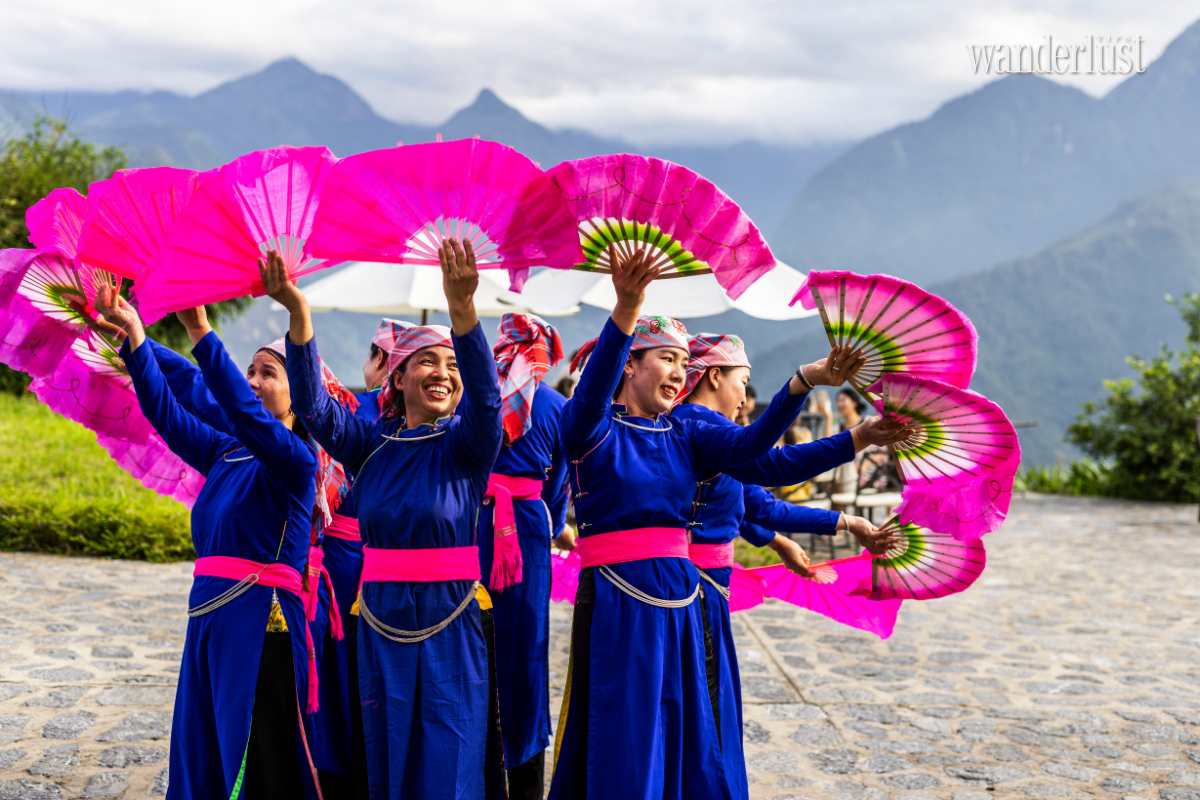
Your workshops in weaving, cooking and traditional dance invite guests into village life rather than staging it for them. Where do you draw the line between genuine cultural exchange and the kind of performance that tourism so often demands of local communities?
The line is drawn at participation.
A performance is something you watch from a distance; an exchange is something you do together.
Our workshops aren’t staged on a theater floor; they happen in the rhythm of daily life. When guest joins in the ricewine brewing process, they draw the Hmong beewax batik pattern, they aren’t just watching a craft; they are sharing a moment of labor and conversation. Because we are part of this community, our neighbors aren’t “actors”, they are our colleagues and friends inviting guests into their world.
From rainwater harvesting and greywater recycling to crushing glass bottles into construction material, Topas Ecolodge treats sustainability as a daily discipline rather than a marketing line. Which of these systems took the longest to get right, and which are you quietly proudest of?
Every innovation in a remote location feels like a marathon.
However, we are most quietly proud of our wastewater treatment system. It is invisible to most, but it is our greatest gift back to the mountain. We invested heavily in a biological system that ensures not a single drop of pollutants enters the valley.
Today, that recycled water nourishes a lush garden and the surrounding terraces. Turning “waste” into life is the ultimate expression of our respect for Sa Pa.
If slow travel is a philosophy rather than a pace, how would you describe the rhythm of a guest’s day at Topas Ecolodge, from the hush of morning mist over the valley to the traditions shared over dinner in the Tày stilt house?
Travel Slower, Feel Deeper.
The day begins not with an alarm, but with the sun lifting the mist off the Thanh Kim valley.
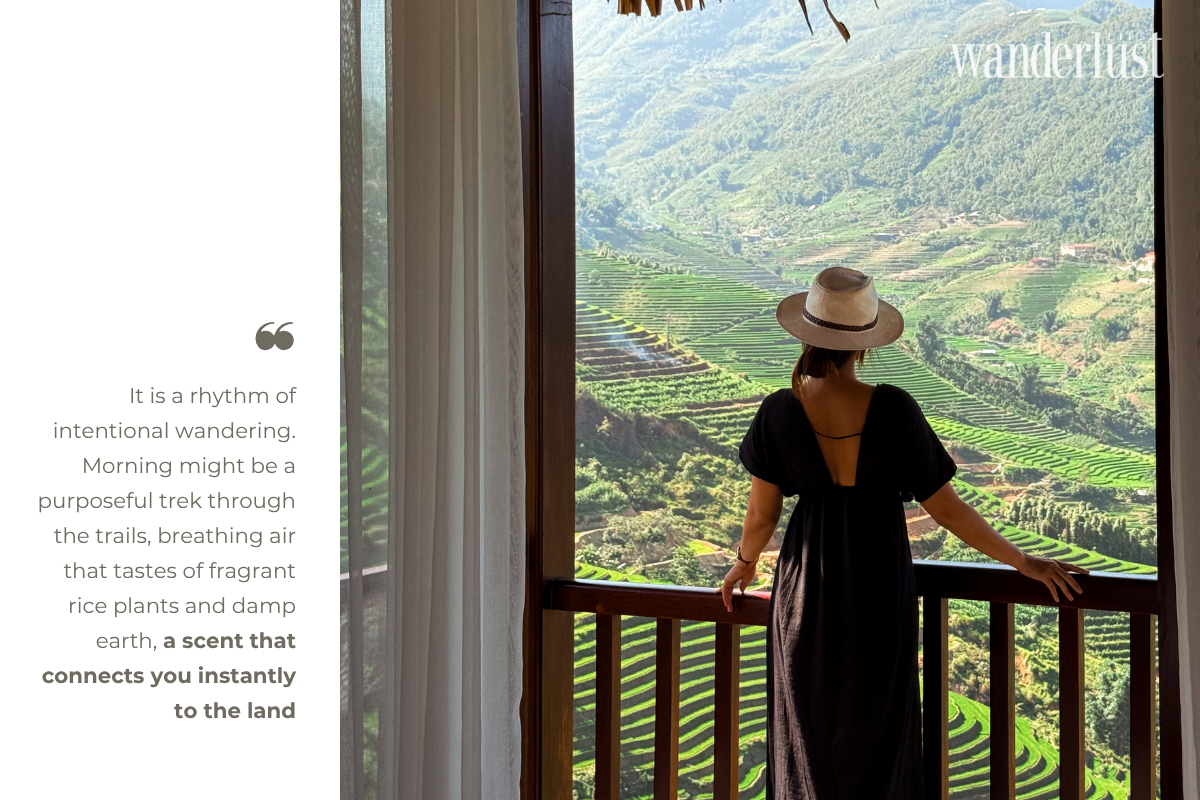
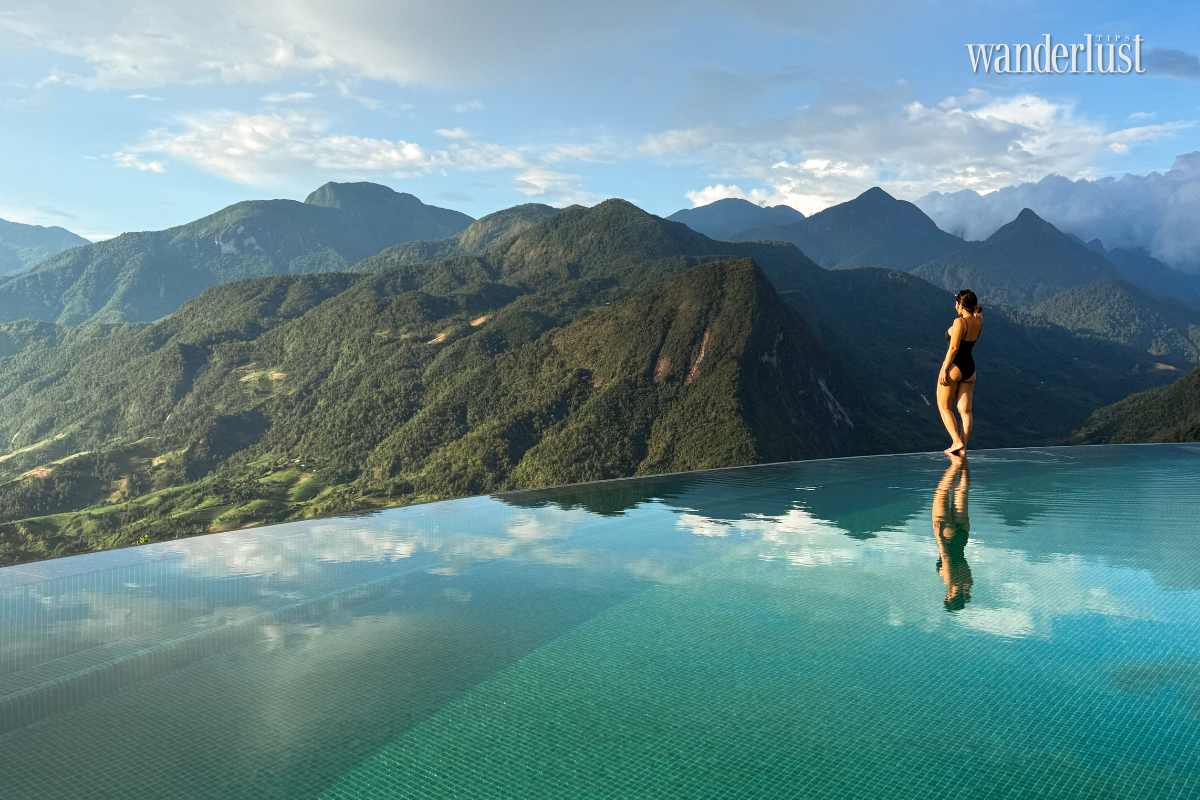
It is a rhythm of “intentional wandering.” Morning might be a purposeful trek through the trails, breathing air that tastes of fragrant rice plants and damp earth, a scent that connects you instantly to the land. Afternoon is for stillness, watching the clouds dance across the peaks from our infinity pool. Dinner in the Tày stilt house is the crescendo, where the warmth of the woodfire and the shared stories remind us that we are all connected.
At Topas, luxury is measured in the time you finally have to simply be.
Topas Explorer Group has grown from a single travel agency into an ecosystem spanning transport, hospitality and tour operations across remote destinations. As you look toward the next chapter, how do you carry this same unhurried philosophy into new regions without diluting what makes Topas Ecolodge singular?
The “Topas DNA” isn’t tied to a specific building; it’s tied to a set of values: Remote, Authentic, Sustainable.
As we expand the Topas Explorer Group, we look for “soul” before we look for “scale.”
Whether it’s a new lodge or a remote cruise, we apply the same rule: we must benefit the local community, we must protect the environment, and we must offer a gateway to silence.
We don’t replicate Topas Ecolodge; we replicate the feeling of being home in the wild.
If you could offer Wanderlust Tips readers a single image that captures the soul of Topas Ecolodge, and of slow travel in Sa Pa itself, what would it be?
It would be the image of a single chair placed on a private balcony at dawn, facing the deep valley as the first light begins to burn through the morning mist.
There is no phone in the frame, no distractions, just a steaming cup of local tea and the vast, ancient silence of the mountains as the world wakes up.
That chair represents the invitation we extend to every guest: to sit, to breathe, and to remember what it feels like to be part of the natural world before the rest of the day demands your attention.
It is the fresh start, found in the stillness of the mountains.
Wanderlust Tips extends its sincere thanks to Michael Højgaard for generously sharing his time and these reflections on Topas Ecolodge and the art of slow travel in Sa Pa.
About Topas Ecolodge
Set on a serene hilltop in the heart of Hoang Lien National Park, Topas Ecolodge lies just 45 minutes from Sapa in Northern Vietnam. This enchanting boutique resort embodies a commitment to sustainability and tranquility, making it an ideal destination for the environmentally conscious traveler, recognized by National Geographic as one of the best places to stay if you care about the Earth.
Topas Ecolodge was honored as one of the Top 3 Best Resorts in Asia by the Conde Nast Traveler Readers’ Choice Awards 2025. We were also named among the Best Hotels in Vietnam by The Times (UK).
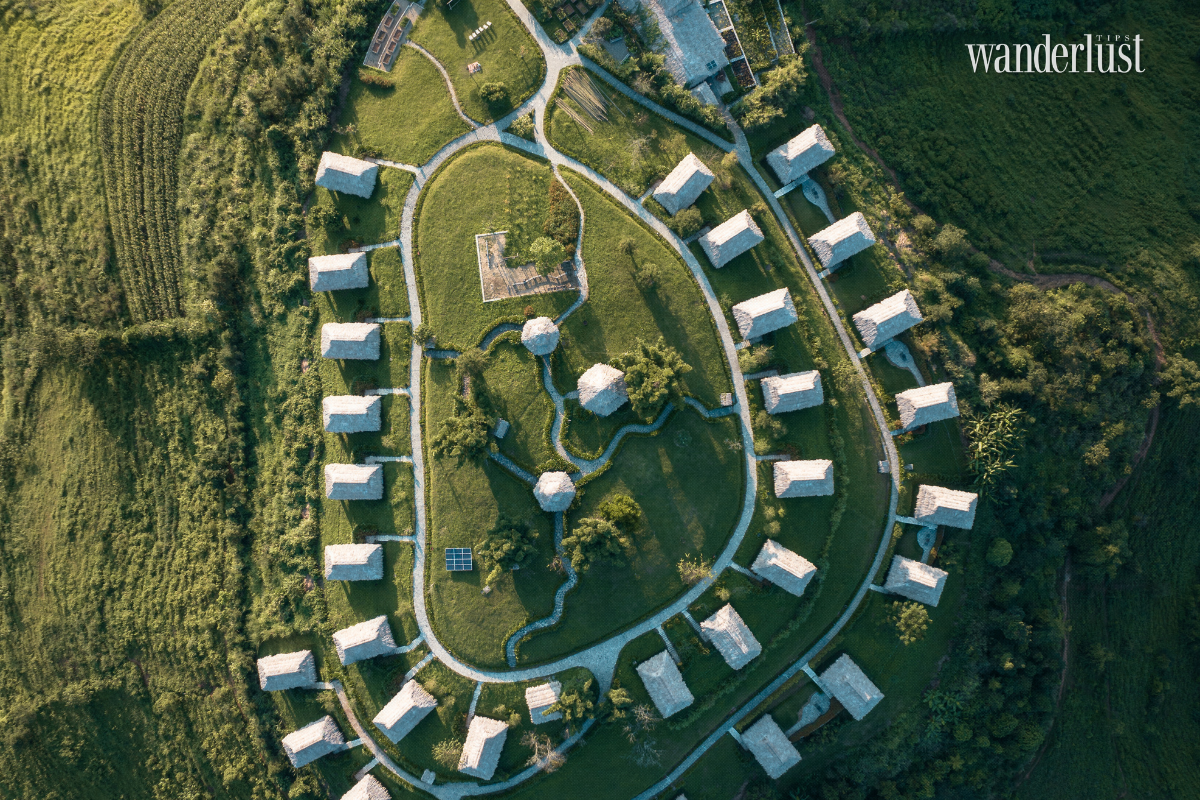
Our collection of 50 rustic mountain bungalows crafted from local white granite in a minimalist chalet style, seamlessly blend modern comfort with the breathtaking surroundings. With our mountain top infinity pools, choice of superb restaurants and range of activities including trail adventures by foot or bike, we aim to provide everything nature loving guests could wish for, while letting the magnificent beauty of Vietnam, take center stage.
Topas Ecolodge offers the ultimate sanctuary for those seeking an unparalleled mountain experience and a profound connection to nature.
Chris Fong: Blending tradition with modernity, celebrating local ingredients