

For Koreans, food has always been tied to the rhythm of the seasons and to how people listen to their bodies. Every jar of vegetables fermented for the long winter, every steaming bowl of chicken soup in the height of summer and every pot of gentle tea by the window carries a philosophy of caring for body and mind, passed down through generations. This journey of flavors takes travelers from the nostalgic rhythm of central Seoul to quiet moments by the sea in Incheon.
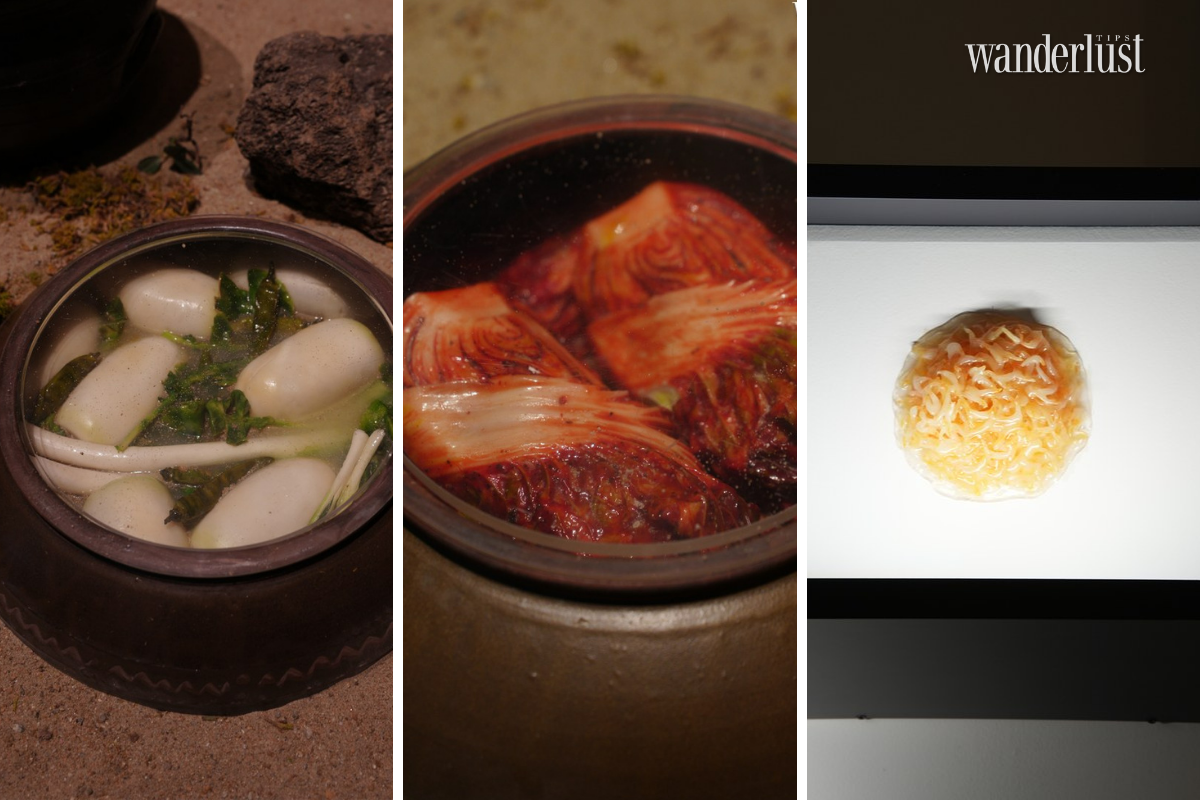
Kimchi: From winter jars to a heritage at Museum Kimchikan
More than a familiar side dish, kimchi carries a deep sense of community in Korean culture. Late autumn each year marks the start of kimjang season, when people come together to make kimchi to store for the cold winter. In 2013, this unique culture of making and sharing kimchi was inscribed by UNESCO on the Representative List of the Intangible Cultural Heritage of Humanity.
Located in lively Insadong, with its long-established tea houses and craft workshops, Museum Kimchikan is the ideal place to explore this heritage. It began as the Kimchi Museum, opened by the Pulmuone group in 1986, and was once named by CNN among the world’s 11 best food museums.
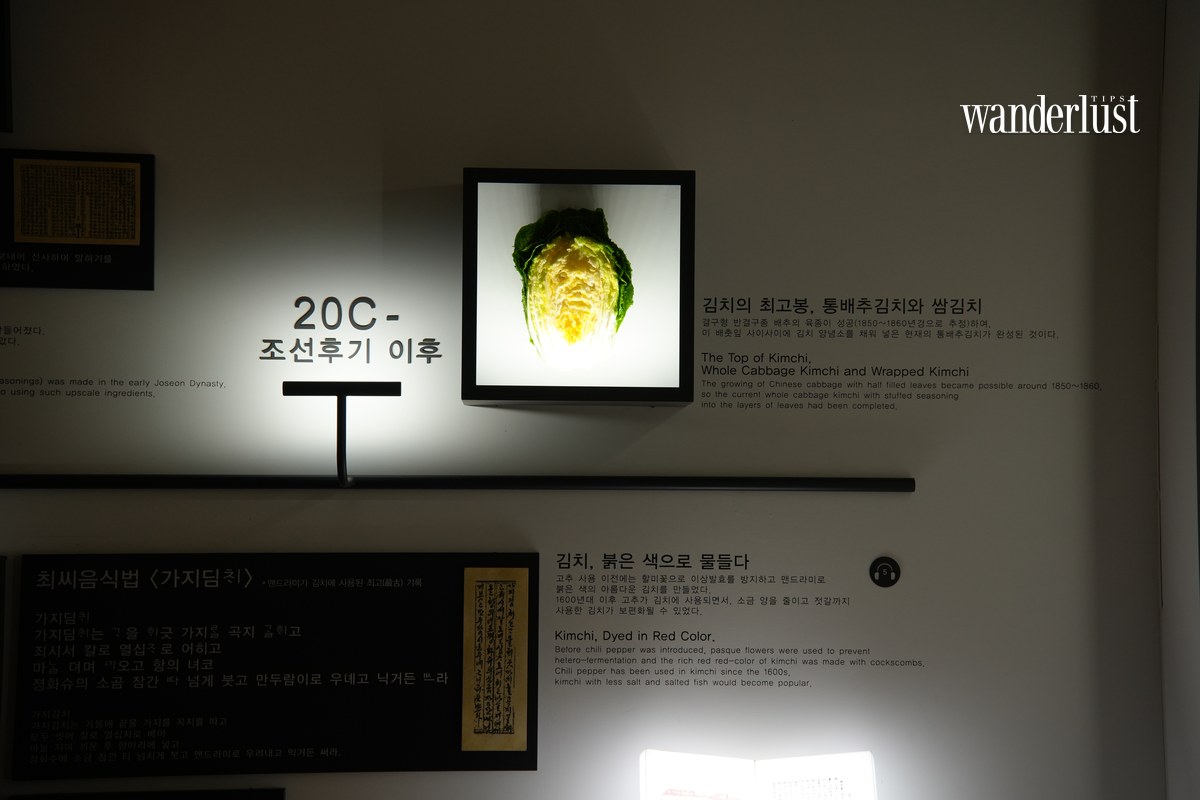 Here, you can learn its history through a documentary film, explore the science of fermentation, enjoy interactive digital exhibits and discover a refrigerated display of countless kimchi varieties from across the country. Don’t miss the tasting room, where you can experience the richness of these flavors firsthand. With multilingual support, visitors can comfortably explore the whole museum in about one to two hours.
Ginseng chicken soup and the art of “fighting heat with heat”
If kimchi represents the art of fermentation, samgyetang (ginseng chicken soup) is the emblem of nourishment. The dish features a young chicken stuffed with glutinous rice and slowly simmered with ginseng, jujubes, garlic and fresh ginger. Following the traditional wellness principle of “fighting heat with heat,” Koreans often enjoy this steaming soup on the hottest summer days to cool down and restore the energy lost through sweat. Even so, its clear, gently sweet and warming broth is satisfying in any season.
Located in the Seosomun area near City Hall Station, Goryeo Samgyetang is one of the oldest restaurants specializing in this dish. Having opened in Myeongdong in 1960, it is considered a pioneer among restaurants serving samgyetang exclusively. Stopping by this long-standing spot for a steaming bowl of ginseng soup is a lovely way to recharge after a day of exploring the city center.
Fresh lobster at Haecheonobu
If you would like a change of pace for dinner, the lobster restaurant Haecheonobu is a fine choice. Set in the lively old neighborhood of Ikseon-dong, about a one-minute walk from Exit 4 of Jongno 3-ga Station, it is known for a menu centered on fresh live lobster, especially its Dancing Lobster, which has appeared several times on television food programs.
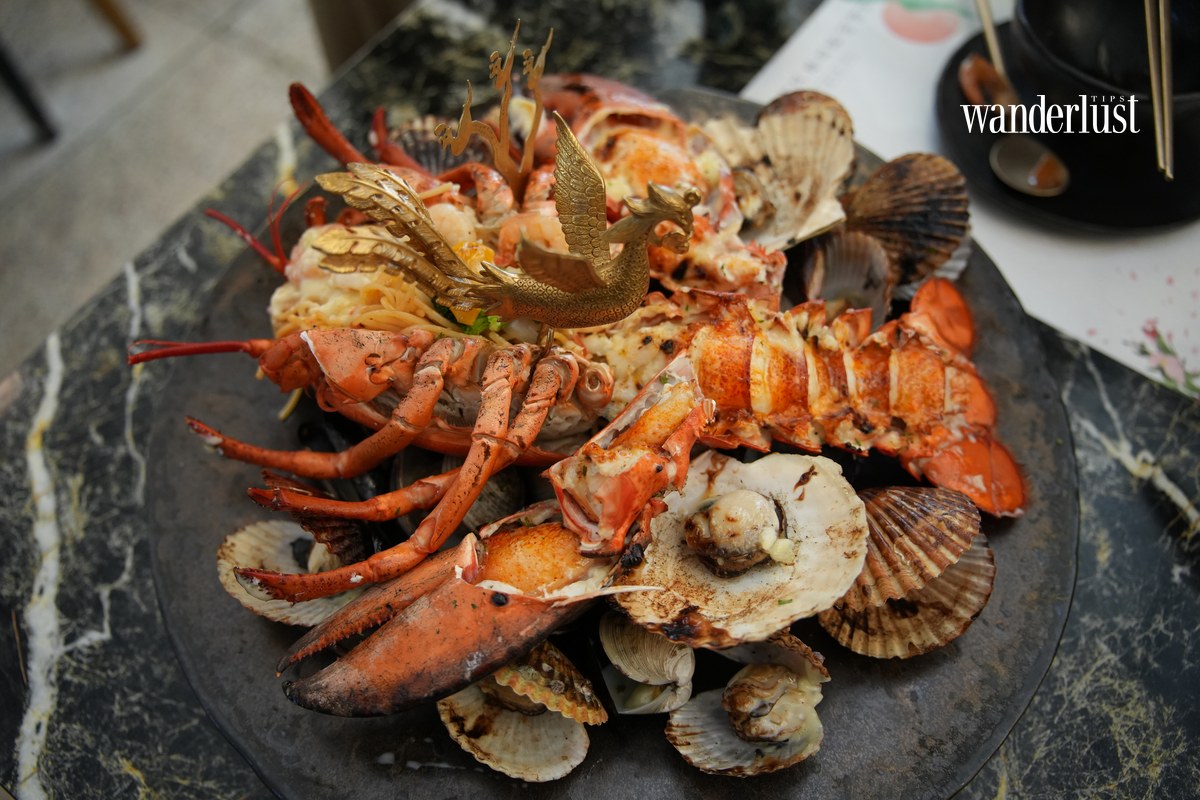 Diners can choose from a range of preparations: sweet, fresh sashimi, rich butter-grilled lobster, warming spicy stew and generous abalone dishes on the side. A cozy setting and a thoughtful English menu make it an ideal spot for an indulgent dinner.
Slowing down over tea before your flight
Sometimes the most restorative pause for the body comes from a quiet moment over a pot of hot tea. Thanks to Tea enjoys a prized view of a peaceful seashore. The owner believes that a carefully prepared cup of tea, paired with chewy mugwort rice cakes or dried persimmon rolled with walnuts, is a kind of “therapy” that soothes the mind after long days of travel. Close to Incheon Airport, it is an ideal stop for an unhurried afternoon before checking in for your flight home.
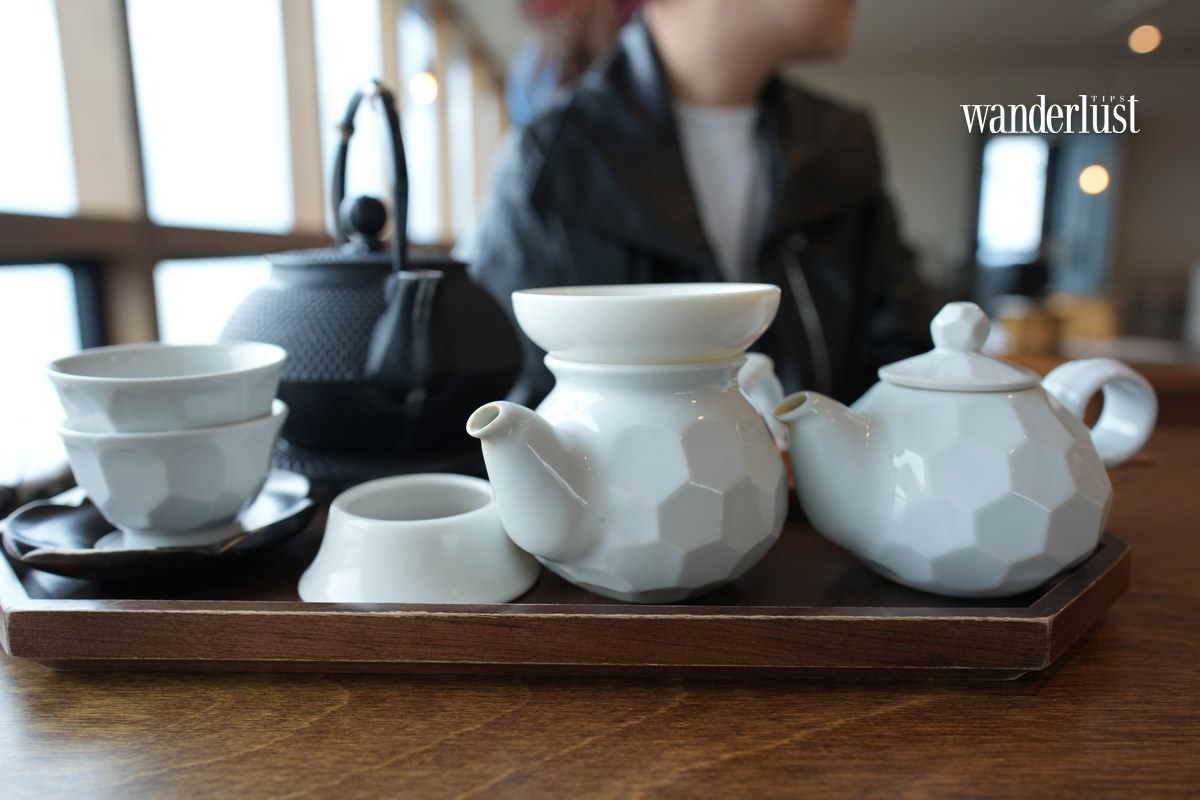 From kimchi jars full of winter memories and a warm bowl of ginseng chicken soup in an old part of the city to an afternoon cup of tea by the sea, Korean cuisine makes one thing clear: eating well and eating for health go hand in hand. This slower, deeper food experience is exactly what Wanderlust Tips and the Korea Tourism Organization Vietnam hope to share with readers on this journey.
To make your visit easier, you can book admission tickets in advance on Klook. Wanderlust Tips readers who enter the code WANDERLUSTVN get 5% off (existing customers) or 7% off (new customers), up to VND 250,000 for orders from VND 500,000. The offer can be used up to 3 times per account on most Klook products, and eSIM products receive 10% off.
This article is part of the Hello World journey series by Wanderlust Tips, produced in collaboration with the Korea Tourism Organization Vietnam and Klook.
For more information:
- Museum Kimchikan: kimchikan.com
- Haecheonobu: instagram.com/haecheonobu
- Thanks to Tea: instagram.com/thanks_to_tea
Read more: A Proactive Approach to Health at CHAUM