B3_D2_DSC02741

Caring for Your Body Through Korea’s Traditional Flavors

For Koreans, food has always been tied to the rhythm of the seasons and to how people listen to their bodies. Every jar of vegetables fermented for the long winter, every steaming bowl of chicken soup in the height of summer and every pot of gentle tea by the window carries a philosophy of caring for body and mind, passed down through generations. This journey of flavors takes travelers from the nostalgic rhythm of central Seoul to quiet moments by the sea in Incheon.

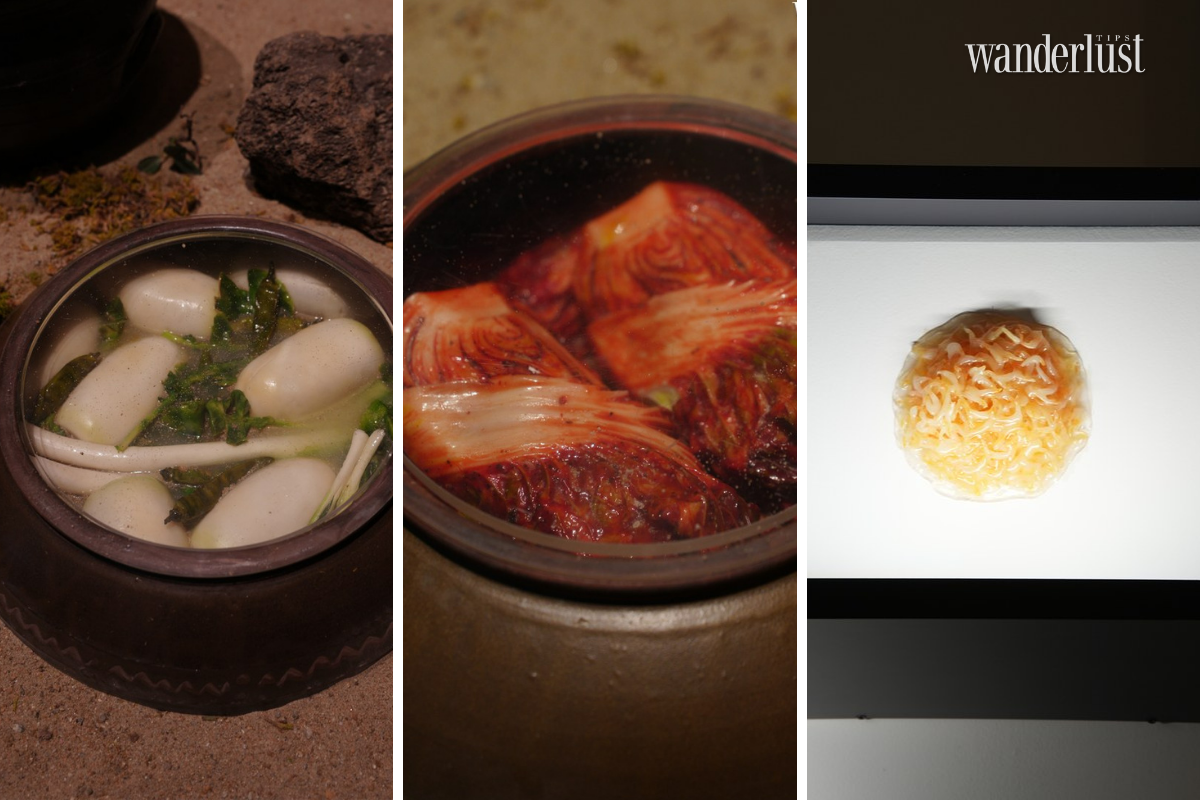
Kimchi: From winter jars to a heritage at Museum Kimchikan

More than a familiar side dish, kimchi carries a deep sense of community in Korean culture. Late autumn each year marks the start of kimjang season, when people come together to make kimchi to store for the cold winter. In 2013, this unique culture of making and sharing kimchi was inscribed by UNESCO on the Representative List of the Intangible Cultural Heritage of Humanity.

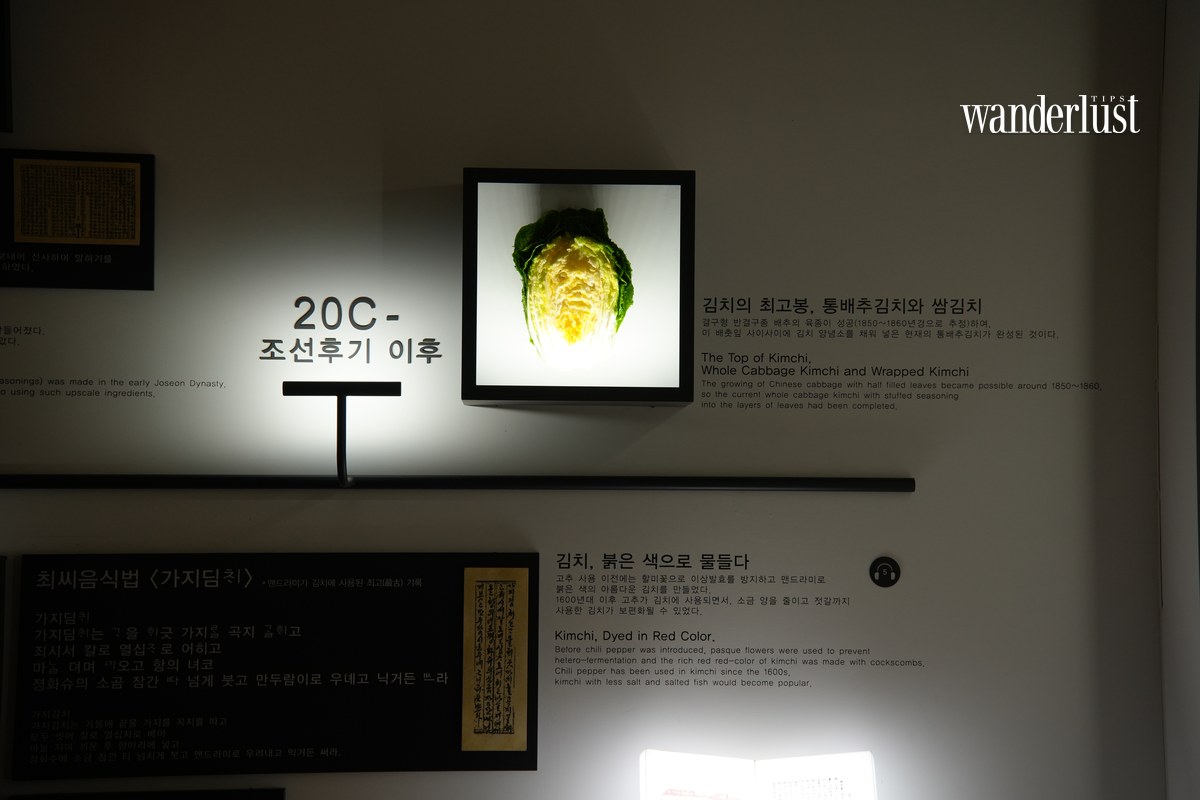
Located in lively Insadong, with its long-established tea houses and craft workshops, Museum Kimchikan is the ideal place to explore this heritage. It began as the Kimchi Museum, opened by the Pulmuone group in 1986, and was once named by CNN among the world’s 11 best food museums.

Here, you can learn its history through a documentary film, explore the science of fermentation, enjoy interactive digital exhibits and discover a refrigerated display of countless kimchi varieties from across the country. Don’t miss the tasting room, where you can experience the richness of these flavors firsthand. With multilingual support, visitors can comfortably explore the whole museum in about one to two hours.

Ginseng chicken soup and the art of “fighting heat with heat”

If kimchi represents the art of fermentation, samgyetang (ginseng chicken soup) is the emblem of nourishment. The dish features a young chicken stuffed with glutinous rice and slowly simmered with ginseng, jujubes, garlic and fresh ginger. Following the traditional wellness principle of “fighting heat with heat,” Koreans often enjoy this steaming soup on the hottest summer days to cool down and restore the energy lost through sweat. Even so, its clear, gently sweet and warming broth is satisfying in any season.

Located in the Seosomun area near City Hall Station, Goryeo Samgyetang is one of the oldest restaurants specializing in this dish. Having opened in Myeongdong in 1960, it is considered a pioneer among restaurants serving samgyetang exclusively. Stopping by this long-standing spot for a steaming bowl of ginseng soup is a lovely way to recharge after a day of exploring the city center.

Fresh lobster at Haecheonobu

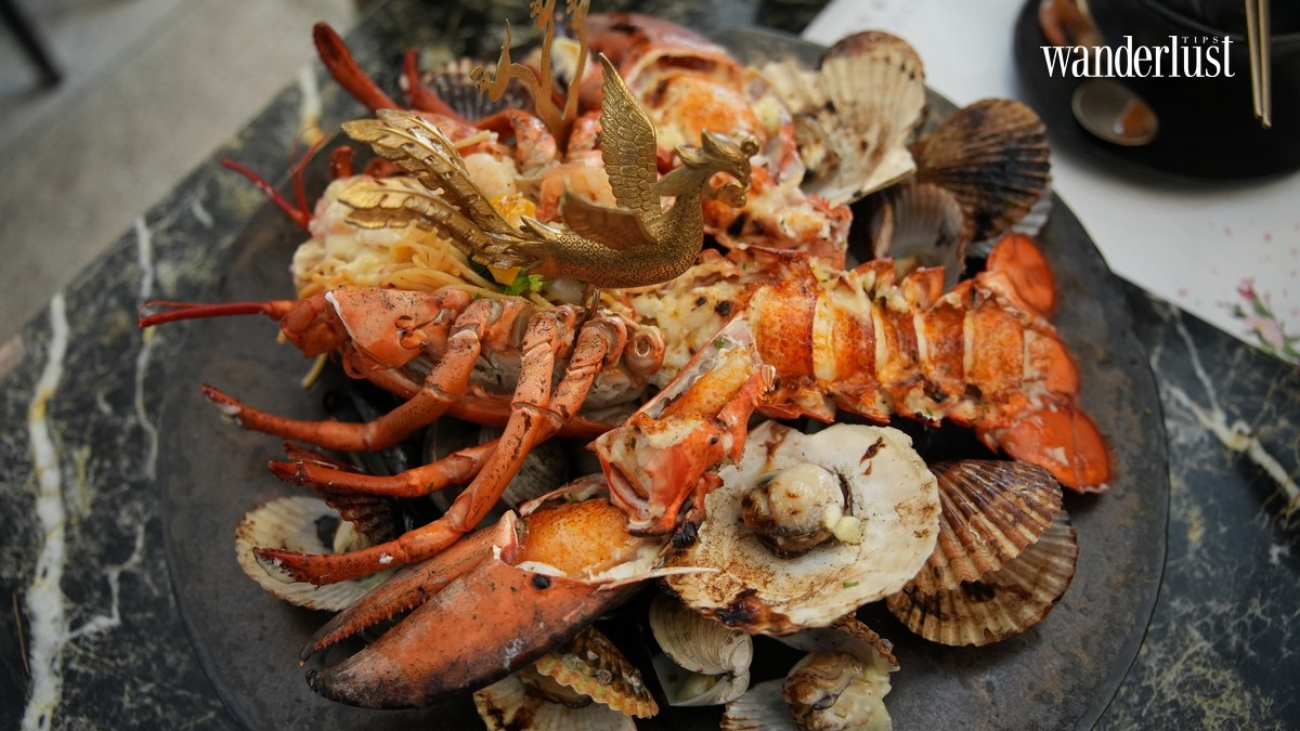
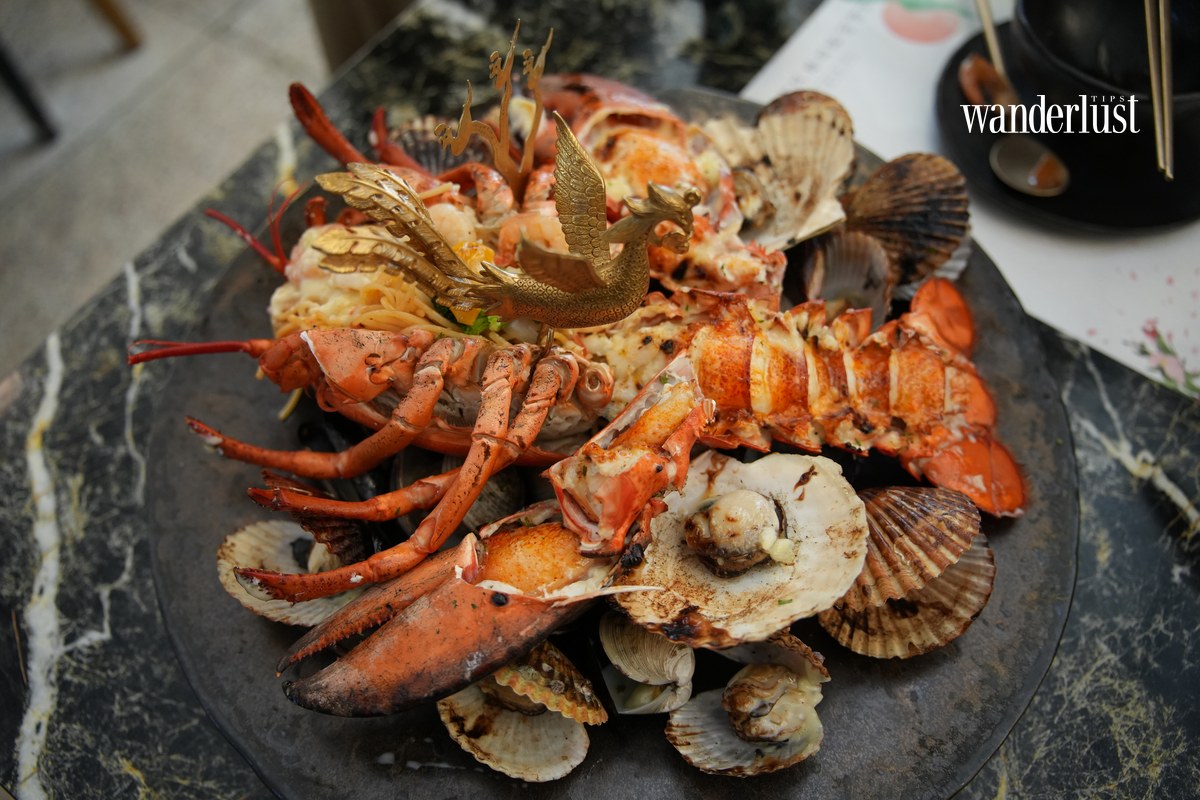
If you would like a change of pace for dinner, the lobster restaurant Haecheonobu is a fine choice. Set in the lively old neighborhood of Ikseon-dong, about a one-minute walk from Exit 4 of Jongno 3-ga Station, it is known for a menu centered on fresh live lobster, especially its Dancing Lobster, which has appeared several times on television food programs.

Diners can choose from a range of preparations: sweet, fresh sashimi, rich butter-grilled lobster, warming spicy stew and generous abalone dishes on the side. A cozy setting and a thoughtful English menu make it an ideal spot for an indulgent dinner.

Slowing down over tea before your flight

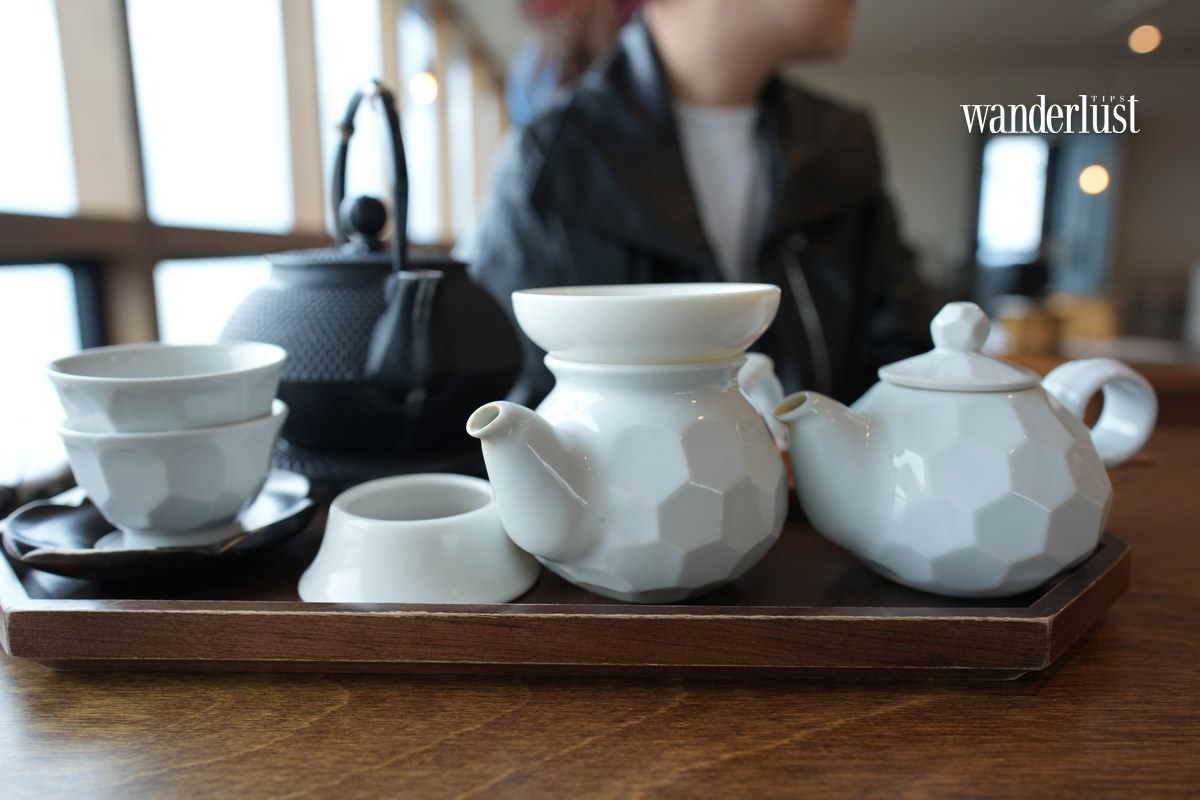
Sometimes the most restorative pause for the body comes from a quiet moment over a pot of hot tea. Thanks to Tea enjoys a prized view of a peaceful seashore. The owner believes that a carefully prepared cup of tea, paired with chewy mugwort rice cakes or dried persimmon rolled with walnuts, is a kind of “therapy” that soothes the mind after long days of travel. Close to Incheon Airport, it is an ideal stop for an unhurried afternoon before checking in for your flight home.

From kimchi jars full of winter memories and a warm bowl of ginseng chicken soup in an old part of the city to an afternoon cup of tea by the sea, Korean cuisine makes one thing clear: eating well and eating for health go hand in hand. This slower, deeper food experience is exactly what Wanderlust Tips and the Korea Tourism Organization Vietnam hope to share with readers on this journey.

To make your visit easier, you can book admission tickets in advance on Klook. Wanderlust Tips readers who enter the code WANDERLUSTVN get 5% off (existing customers) or 7% off (new customers), up to VND 250,000 for orders from VND 500,000. The offer can be used up to 3 times per account on most Klook products, and eSIM products receive 10% off.

This article is part of the Hello World journey series by Wanderlust Tips, produced in collaboration with the Korea Tourism Organization Vietnam and Klook.

For more information:

  • Museum Kimchikan: kimchikan.com
  • Haecheonobu: instagram.com/haecheonobu
  • Thanks to Tea: instagram.com/thanks_to_tea

Read more: A Proactive Approach to Health at CHAUM

B2_D1_DSC02615

A Proactive Approach to Health at CHAUM

Health check-ups in Seoul have long gone beyond routine medical exams. At private “life centers” in the heart of Gangnam, modern medicine, traditional medicine and genetic analysis come together to offer a complete view of the body. It is also how Koreans actively listen to and protect their health while they are still well.

Learning proactive health care from Koreans

For Koreans, being healthy means more than simply “not being ill.” At CHAUM, a wellness center in the heart of Gangnam, the journey of listening to your body starts with the smallest signals: biological rhythms, sleep quality and hormonal balance. This allows each person to adjust their lifestyle early, while any changes are still within their control.

Where modern medicine meets healthy living

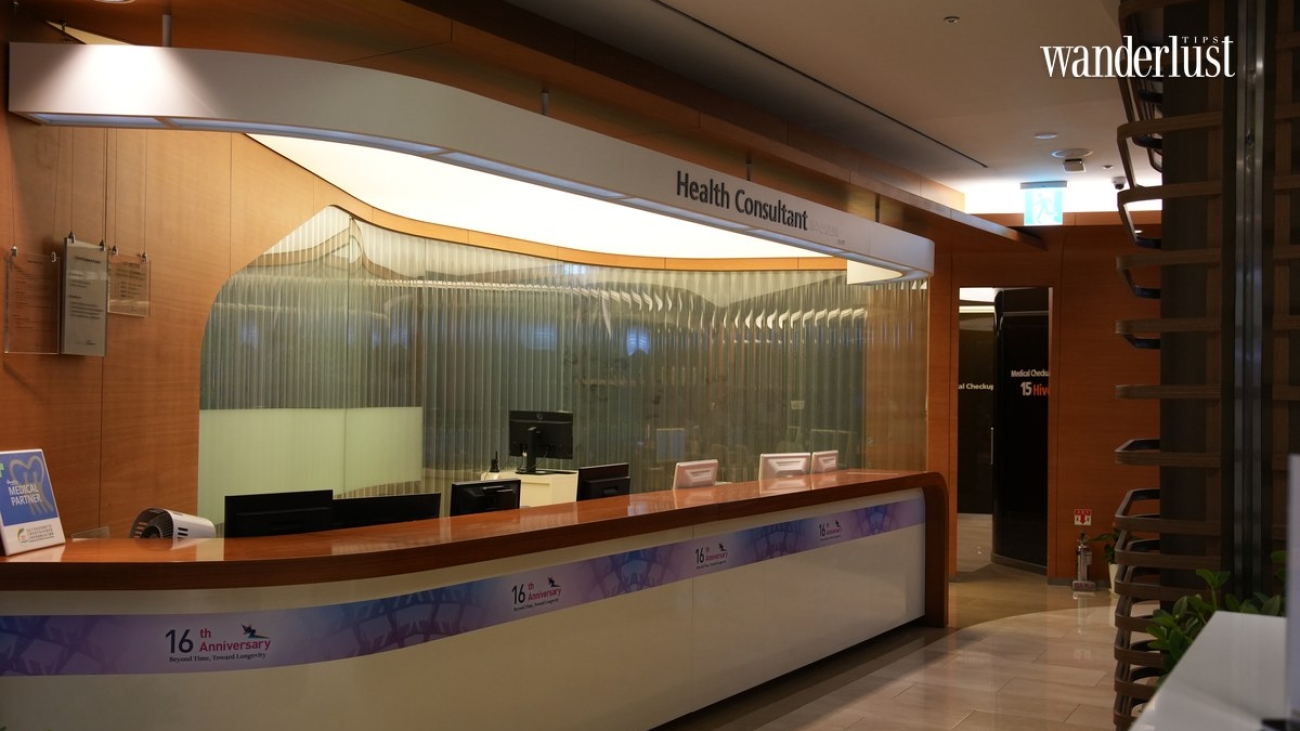
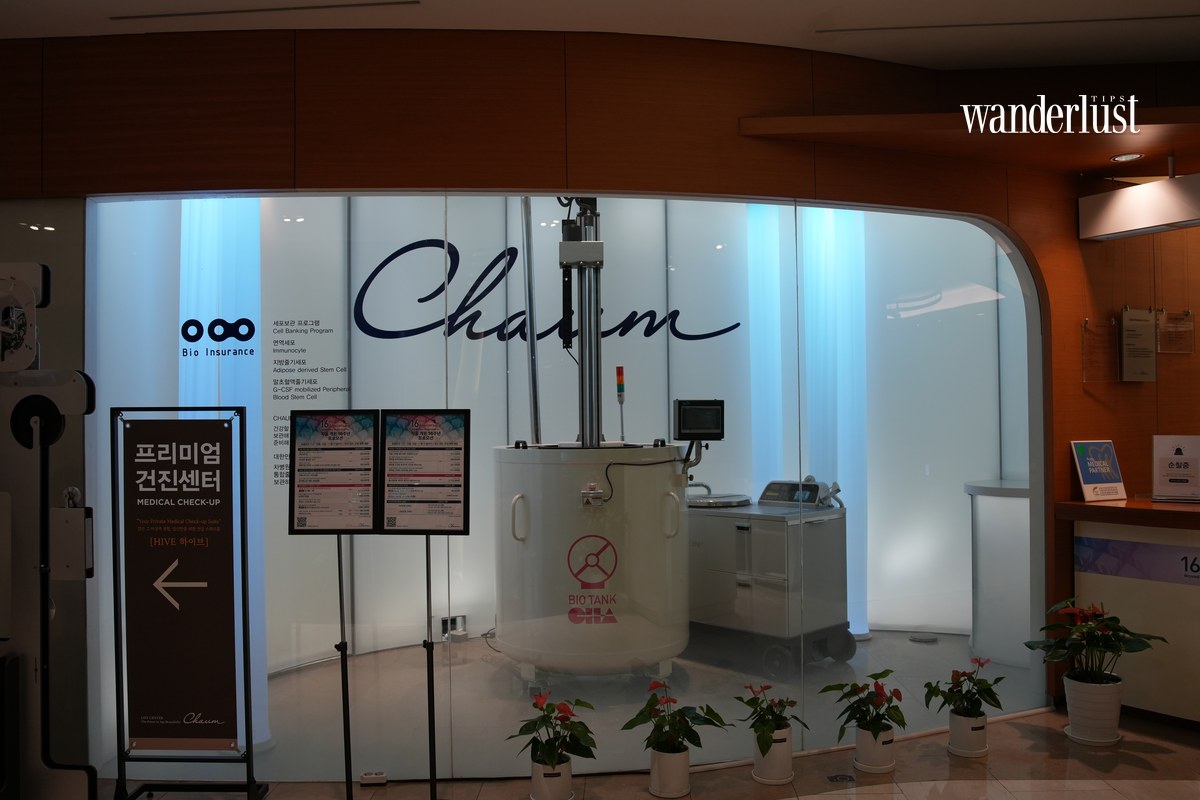
Located on bustling Dosan-daero in Gangnam, CHAUM is part of CHA, one of Korea’s leading healthcare groups. Rather than operating as a conventional hospital, CHAUM positions itself as a “life center” guided by the spirit of “The Power to Age Beautifully,” bringing health screening, anti-aging, nutrition, fitness and beauty services together under one roof.

CHAUM is built on its Triple Health System, which combines Western medicine, traditional Eastern medicine and genetic analysis to give a deep, holistic understanding of personal health.

A complete picture of your health

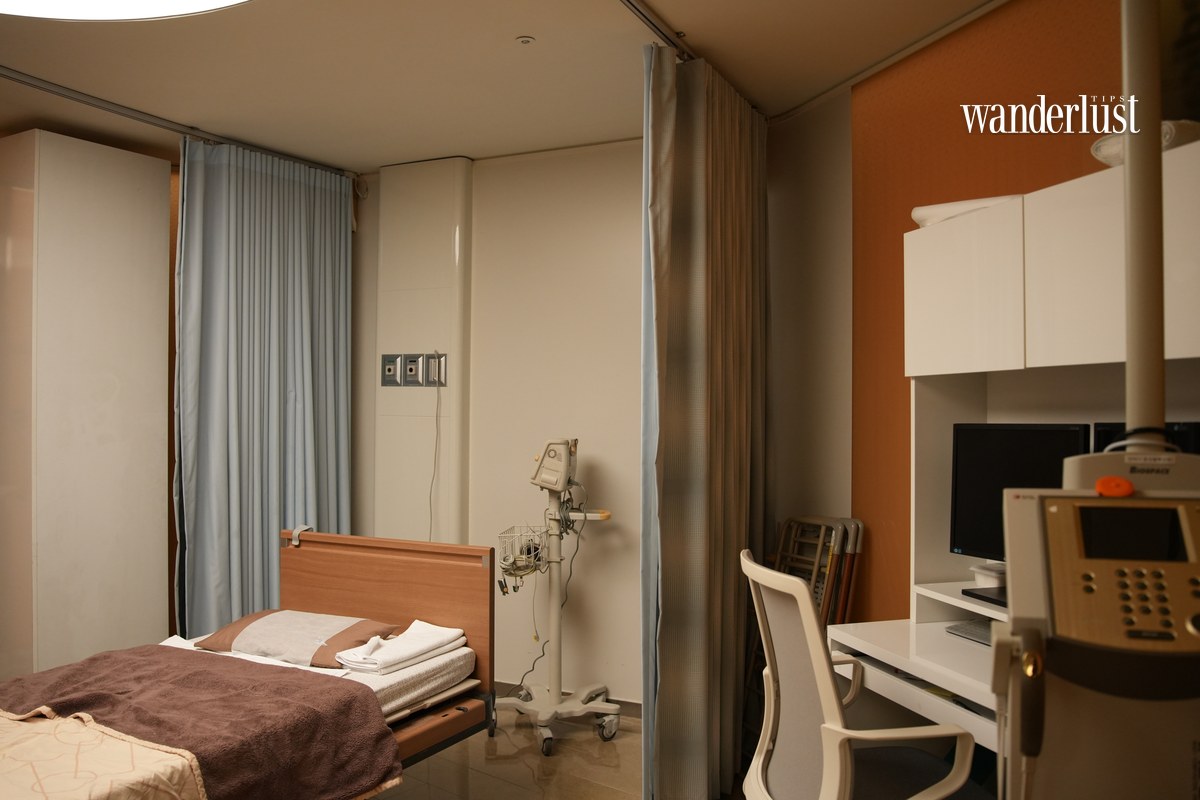
Perhaps the most striking thing about CHAUM is the grace of every step. Guests do not need to shuttle between examination rooms; they simply rest in a private room while the medical team comes to them. The attending doctor consults one-on-one, delivers results the same day and offers nutrition advice tailored to each person’s constitution.

That thoroughness extends to the range of tests. CHAUM looks closely at indicators that often go unnoticed, such as DNA analysis, heavy metal accumulation, micronutrients, the microbiome and immunity, hormonal balance, brain waves and the risk of atherosclerosis. This level of detail makes each person’s health picture clearer and more accurate.

To make international guests feel completely at ease, CHAUM provides bilingual nurses who accompany them through every step, from booking and consultation to the end of the visit.

Anti-aging starts from within

At the Power Aging Clinic, aging is approached through functional medicine: looking for solutions at the root rather than only soothing what shows on the skin. For anyone caught up in work pressure, the stress relief program will feel especially relevant. Doctors measure heart rate variability and check hormone levels, then help you find calm again through music therapy, meditation, spa treatments and a well-planned diet. Recovery programs for people experiencing burnout, as well as midlife care for both men and women, are also designed in detail.

Going deeper, the Customized Genetics Clinic decodes genetic data to build diet and exercise habits tailored to each individual. Before starting any program, however, it is still best to discuss it thoroughly with a specialist so you can make the most suitable choice.

This article is part of the Hello World journey series by Wanderlust Tips, produced in collaboration with the Korea Tourism Organization Vietnam.

For more information: en.chaum.net

Read more: Healthcare in Seoul: A Reassuring Choice for Vietnamese Families

B5-nhom_D1_DSC02534

Healthcare in Seoul: A Reassuring Choice for Vietnamese Families

Beyond its lively shopping streets and distinctive cuisine, Seoul is home to many internationally recognized hospitals, with services designed specifically for patients coming from abroad. From cancer treatment to joint and bone care, here is what you should know before you go.

Solving language and paperwork when treatment is far from home

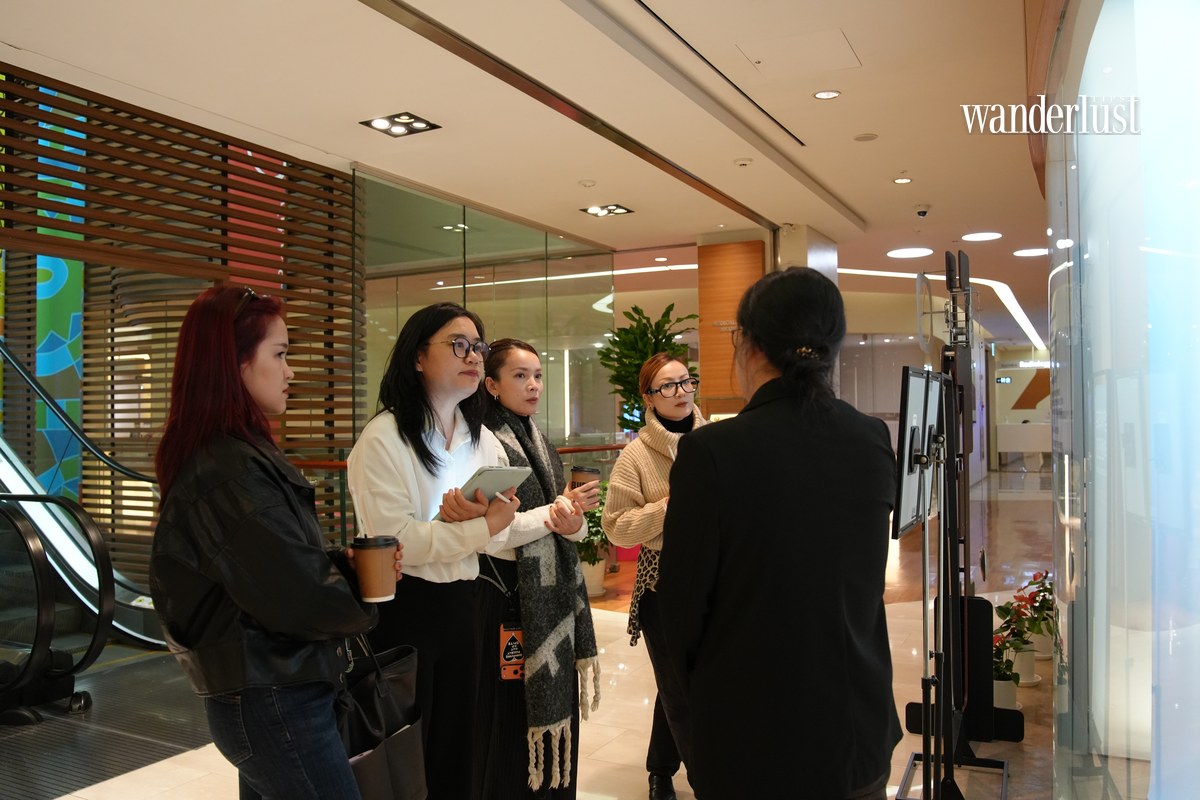
Language barriers, complicated procedures and the unfamiliarity of a foreign country are often the biggest hesitations when deciding to seek treatment overseas. Korea addresses these concerns with international care centers inside its major hospitals, where the entire process, from reviewing medical records and scheduling appointments to interpretation and payment, is handled through a single point of contact. That is also why medical tourism is becoming a thoughtful new approach, turning a trip to Korea into more than sightseeing: a well-organized journey to restore health for yourself and your family.

Asan Medical Center: A trusted anchor for complex cases

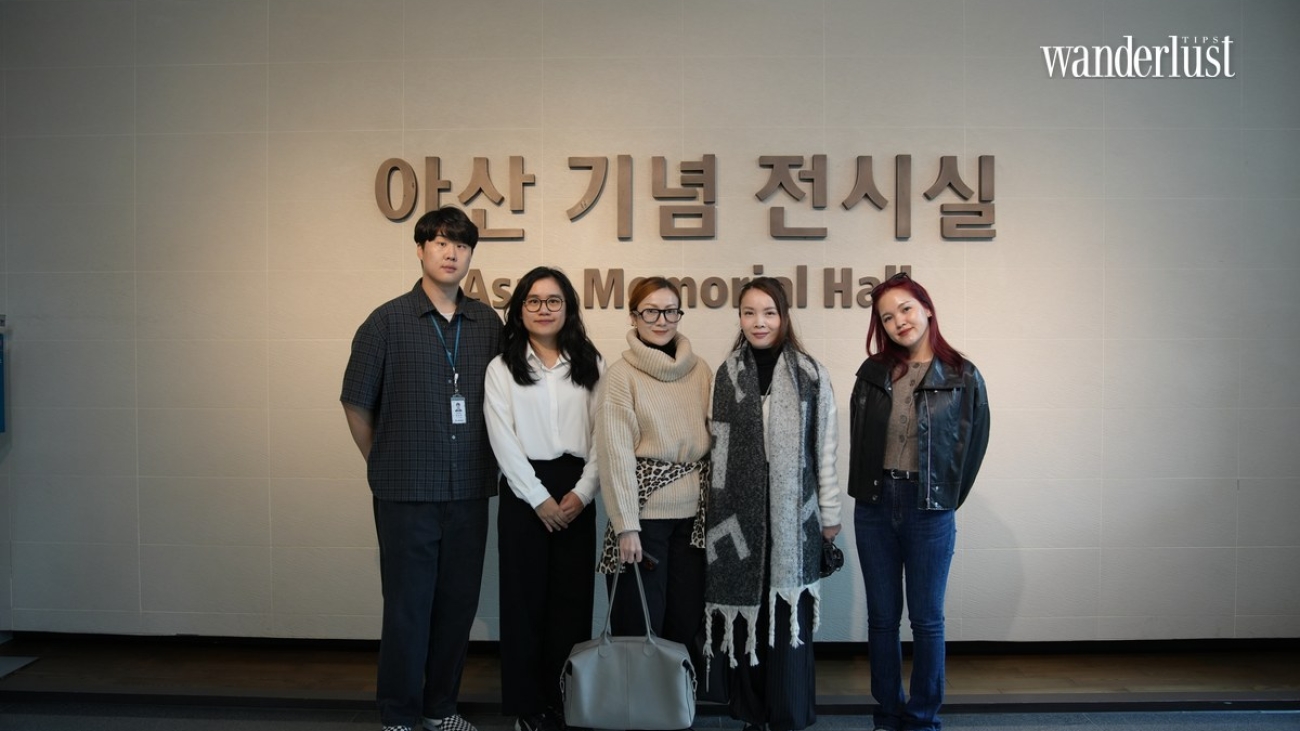
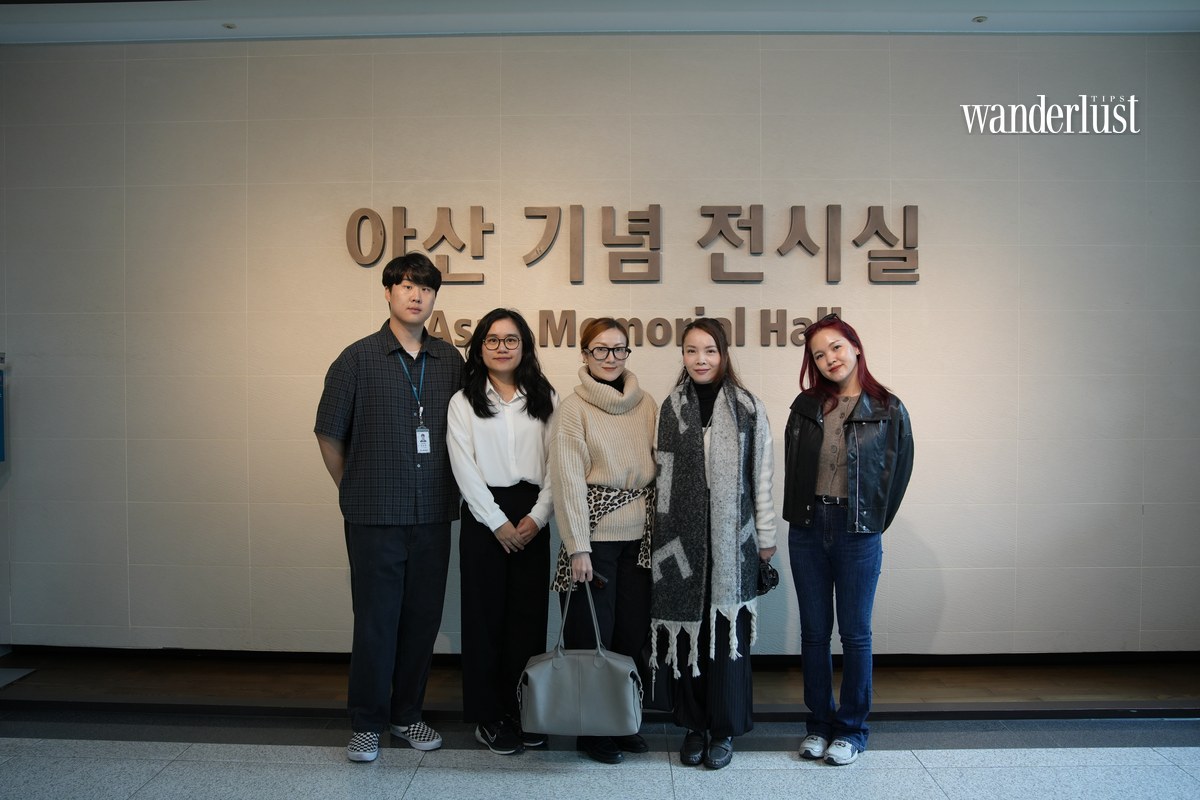
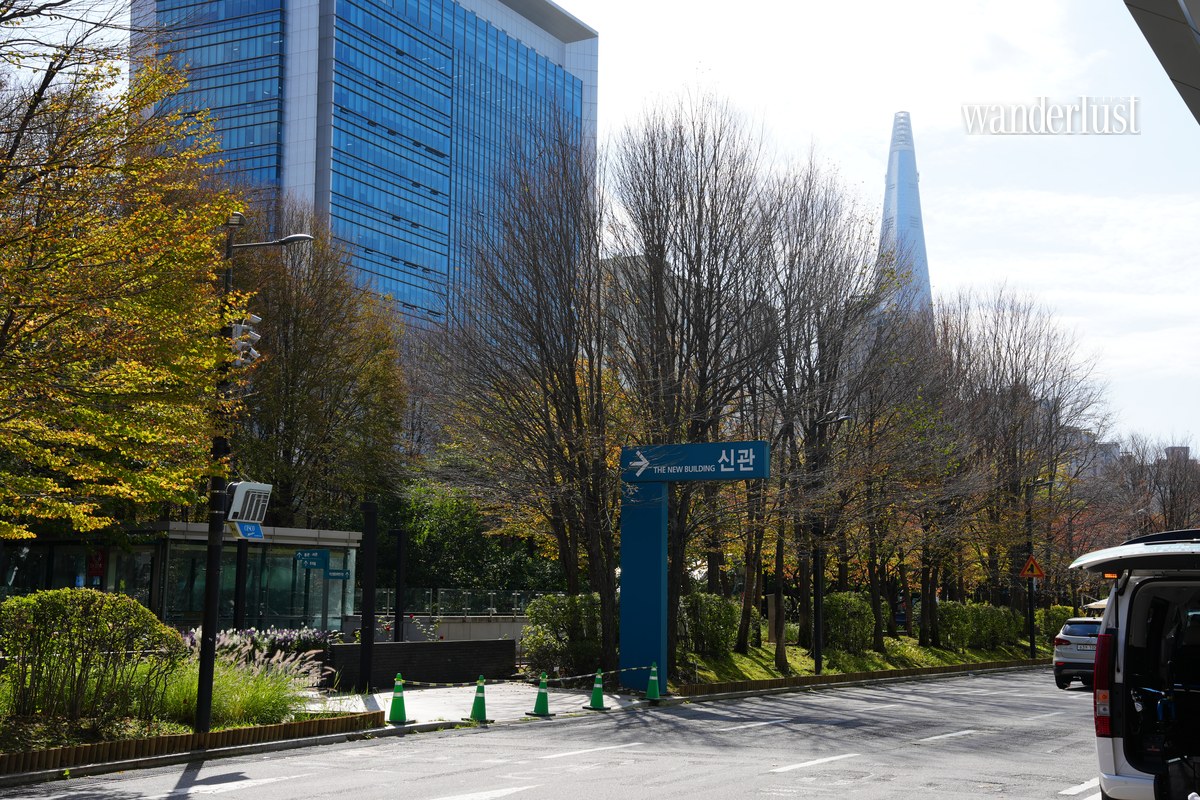
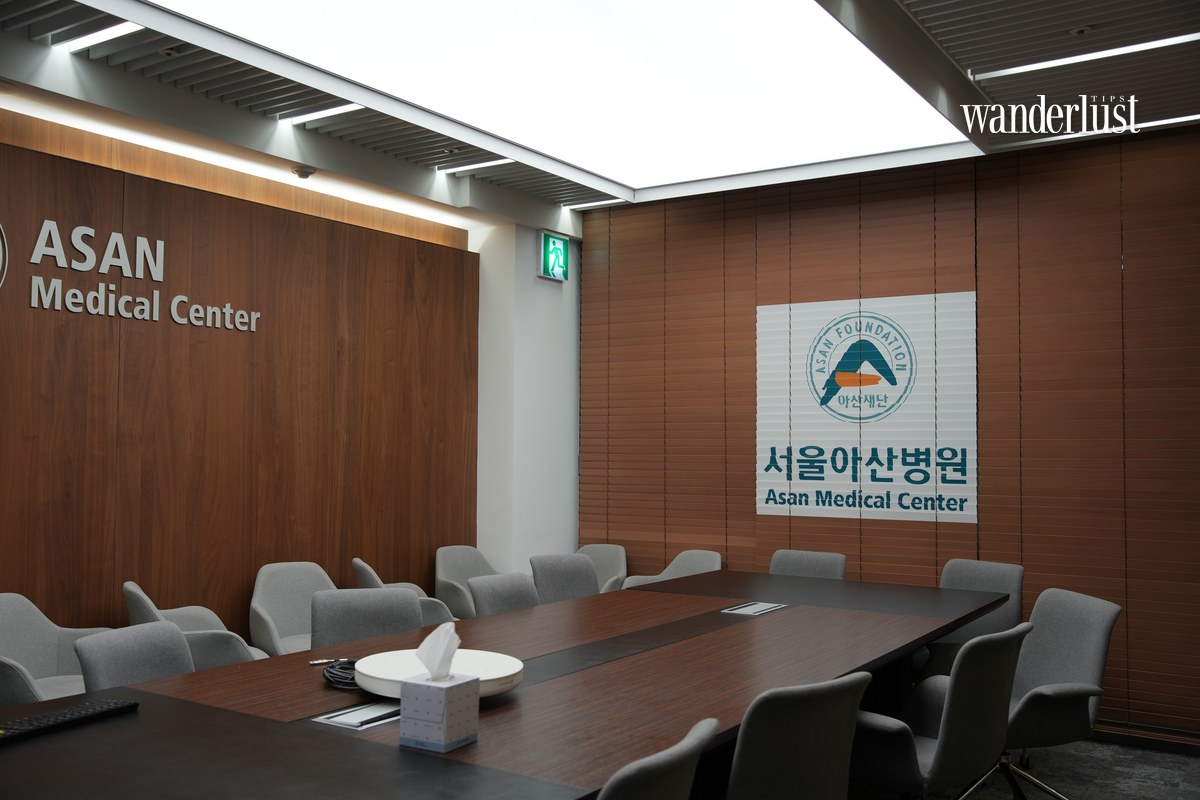
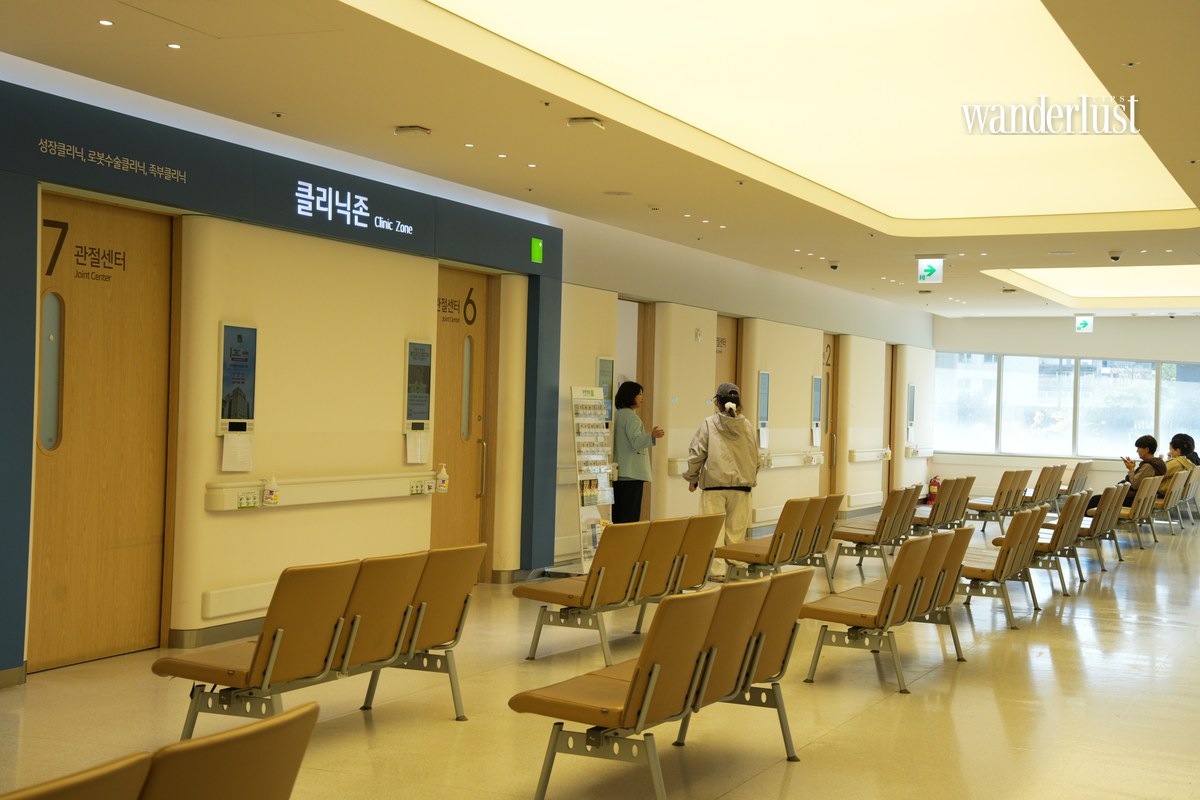
Located in Songpa District in eastern Seoul, Asan Medical Center is a familiar destination for many families facing complex conditions such as cancer or cardiovascular disease. Its expertise is recognized well beyond the region, with consistent places among the world’s top hospitals, most notably fourth in oncology in Newsweek’s 2026 ranking of the world’s best specialized hospitals.

A defining feature of Asan’s cancer hospital is its structure built around specific disease groups, from liver, stomach and colorectal cancers to lung, breast and thyroid cancers. Patients are examined and given a treatment plan by leading specialists in the right field from the very first step.

At the International Healthcare Center, the process is simplified because medical records are received and reviewed remotely in advance. With Vietnamese interpreters regularly on hand and direct connections with international insurers, both the language barrier and the pressure of payment are eased for Vietnamese patients. Administrative procedures are streamlined, giving patients complete peace of mind.

Bumin Hospital Seoul: Strength in joints and spine

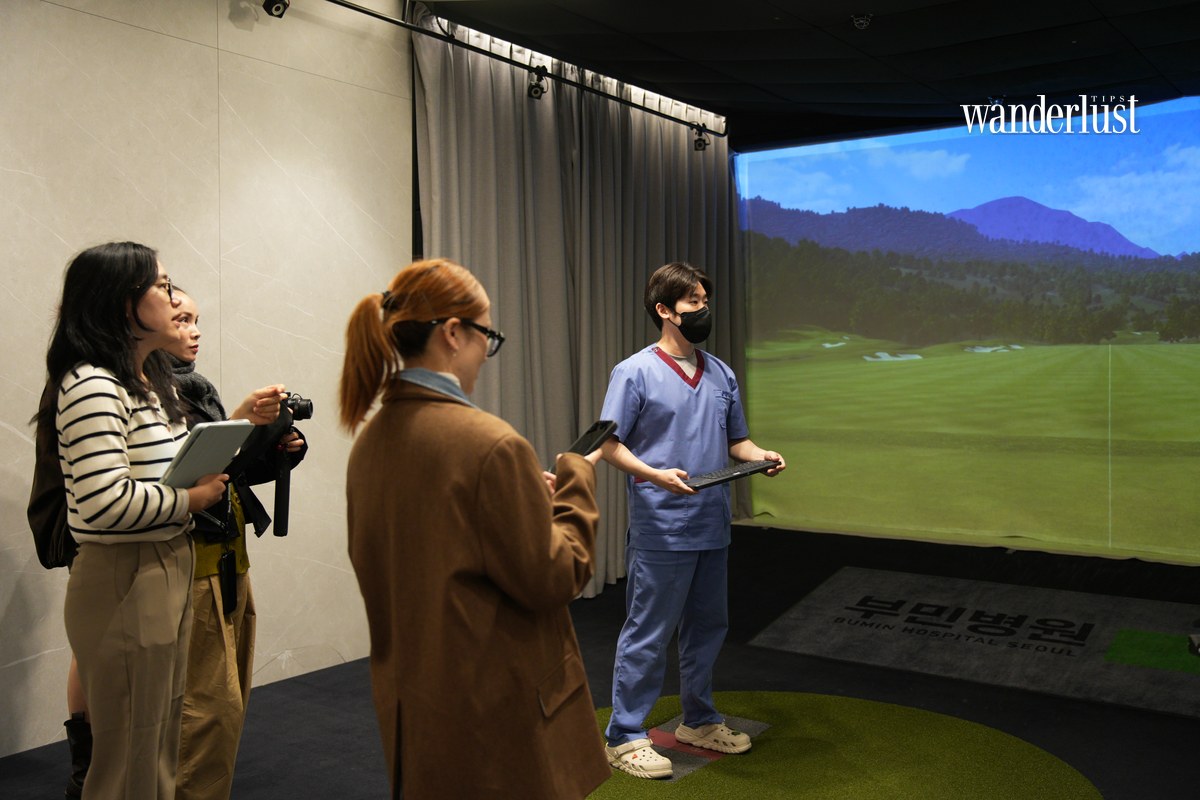
Alongside large general hospitals like Asan, Bumin Hospital Seoul has chosen a specialized and distinctive path. Designated a joint specialty hospital by Korea’s Ministry of Health and Welfare, Bumin brings more than 30 years of clinical experience and a network of flagship centers covering robotic joint replacement, endoscopic spine surgery, spinal deformity correction and sports rehabilitation. The hospital is also a strategic clinical partner of Hospital for Special Surgery, a leading orthopedic institution in the United States.

Bumin pursues a minimally invasive philosophy, using small incisions that limit tissue damage, helping patients recover faster and return to daily life sooner.

International patients at Bumin are looked after attentively from the International Medical Center onward. Every step is personalized: from advice on medical visa procedures, airport pickup and convenient accommodation for family members, to meal plans tailored to cultural and religious needs. Located in Gangseo District, about 10 minutes from Gimpo Airport, Bumin is a real advantage for patients who find long journeys difficult.

Preparing well for the journey ahead

Each hospital has its own strengths. Asan’s breadth of specialties suits treatment that calls for several disciplines working together, while Bumin is an ideal choice for in-depth joint and spine conditions. Consulting a specialist in Vietnam and preparing your medical records carefully before contacting an international center will help your family’s healthcare journey feel more proactive and reassuring.

This article is part of the Hello World journey series by Wanderlust Tips, produced in collaboration with the Korea Tourism Organization Vietnam.

For more information: amc.seoul.kr, bumin.co.kr/seoul

Cover - Viet

A Samui Classic Keeps Its Old Ways

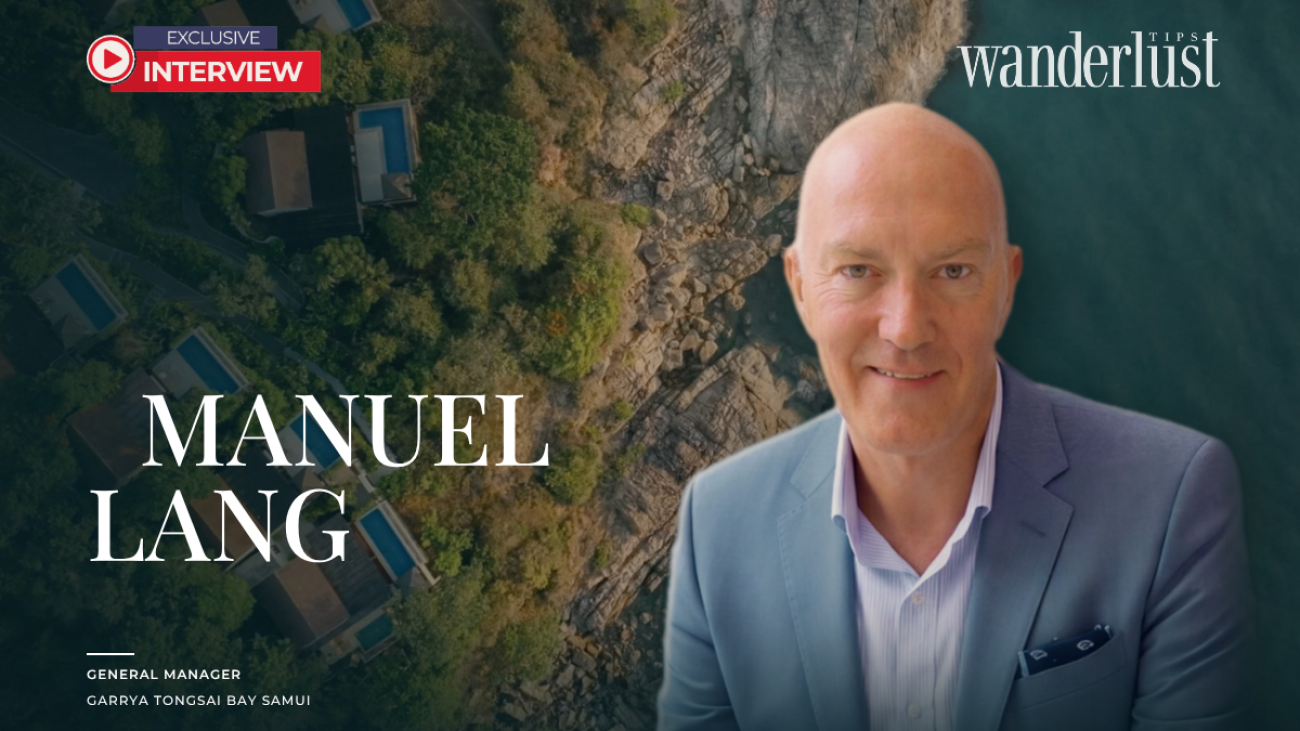
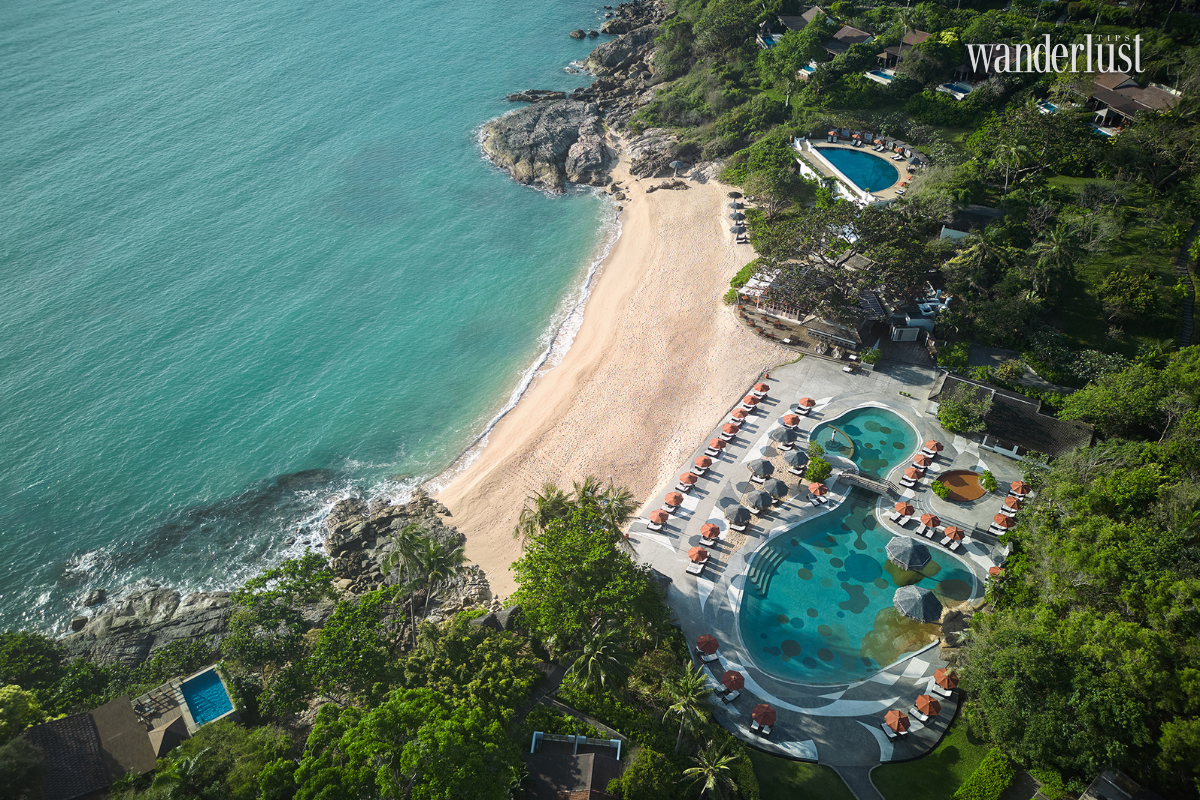
Nearly four decades after Khun Akorn Hoontrakul first saw Tongsai Bay from the sea, the resort he planned still lives by one simple belief: “Natural to the Core.” General Manager Manuel Lang explains how Garrya Tongsai Bay Samui carries that legacy through its 28-acre living landscape, its long-serving team and its Thai traditions, and why a new generation of guests is finding it more relevant than ever.

Garrya Tongsai Bay Samui

Dear Mr. Lang, thank you for taking the time to speak with Wanderlust Tips about how the Tongsai Bay legacy continues to live and evolve at Garrya Tongsai Bay Samui, as part of our Living Heritage feature.

The Tongsai Bay story began in 1985, when Khun Akorn Hoontrakul first saw the bay from the sea and spent three months sleeping on the beach to plan his ideal resort. Nearly four decades on, how does that founding spirit still shape the everyday character of Garrya Tongsai Bay Samui?

Our slogan and belief, “Natural to the Core”, have remained the same for many years, and this did not change with the rebranding. Sustainability and heritage are also core pillars of Banyan Group, which is one of the reasons the owner of Tongsai Bay selected Banyan Group as the operator.

Opened in 1987 as the first five-star resort on Koh Samui, the property began a new chapter in 2022 when it joined Banyan Group under the Garrya name. How has the resort brought together its original Tongsai Bay identity and the Garrya philosophy of simplified, contemplative living?

Garrya as a brand is defined by wellbeing, nature, space, beauty in simplicity and a “less is more” approach. Tongsai Bay was the perfect choice for the first Garrya-branded hotel in Thailand, as it embraces all of this naturally.

Garrya Tongsai Bay Samui

Since 2000, the resort has been guided by Khun Thanakorn and Khun Saisiri, who share Khun Akorn’s passion for the environment and Thai hospitality. What does this continuity of family stewardship mean for the way the team carries the legacy forward today?

Khun Thanakorn and Khun Saisiri, and Khun Akorn before them, have created a beautiful atmosphere among our associates, our guests and nature. Our associates are dedicated to their responsibilities, and they work out of passion. This foundation was laid many years ago and still shapes the way we operate today. That is why so many guests return to us every year, even after the rebranding: the “feeling” has not changed.

Across its 28 acres, Garrya Tongsai Bay Samui is home to more than 85 bird species and over 170 plant species, and trees are removed only when safety requires it. How does the resort see this living landscape as part of its heritage, and how is that respect for nature shared with guests?

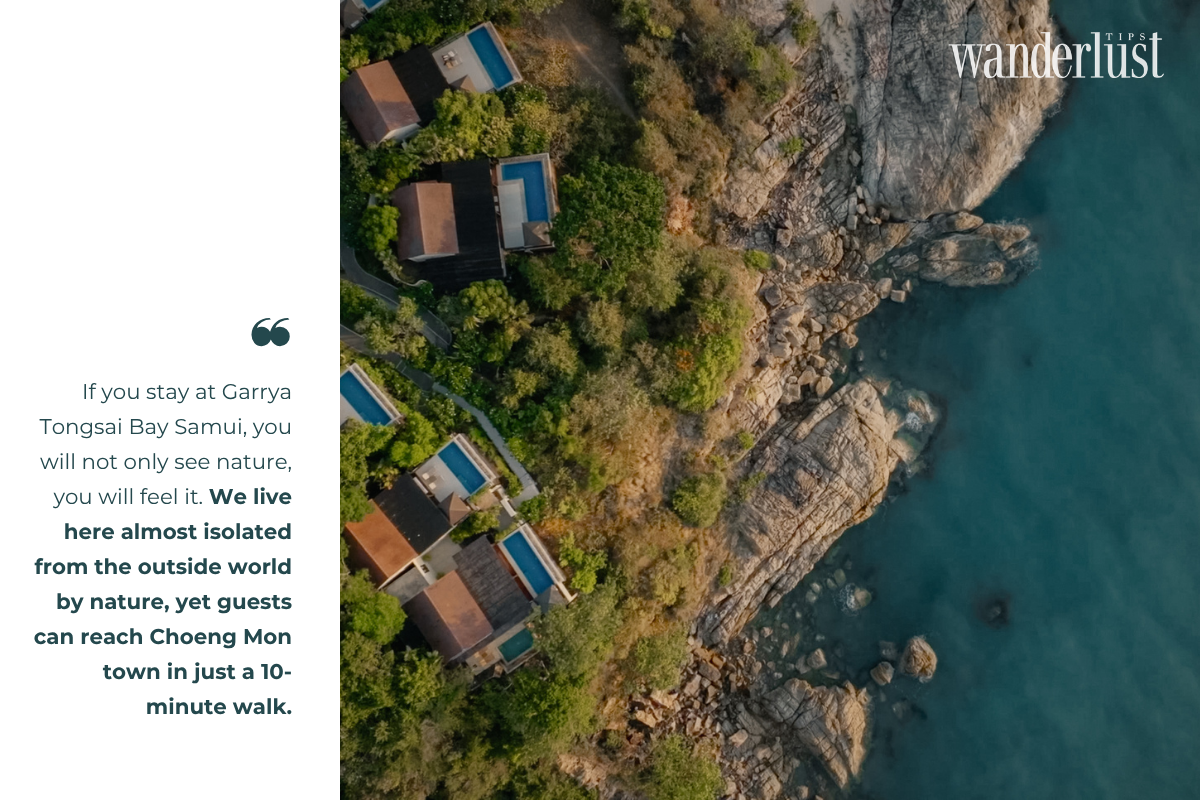
Nature is part of our work. It is part of our signature, and it is what guests appreciate about our resort. If you stay at Garrya Tongsai Bay Samui, you will not only see nature, you will feel it. We live here almost isolated from the outside world by nature, yet guests can reach Choeng Mon town in just a 10-minute walk.

Guests can join our complimentary Nature Walks, where our team explains the nature around them. At the end of the walk, you reach the highest point of the resort, where a stunning view takes in all the natural areas that belong to Garrya Tongsai Bay Samui.

Nature at Garrya Tongsai Bay Samui

The organic garden, established in 2003, keeps practical traditions alive, from propagating plants with the layering method to distilling citronella and making charcoal from fallen wood. How do these hands-on practices help guests connect with a more traditional island way of living?

Guests enjoy learning simple, new things. They learn about local plants and herbs, and they can see, smell and touch what goes into the food we serve in our restaurants. Guests also appreciate that we reuse and recycle so many items they would usually never think about. We have a very passionate gardening team and a Sustainability Manager who love to share their experience with guests.

At RHOY RHOY!, dinner celebrates Thai comfort food true to the regions where each dish originates, while the Thai Cooking Class begins with produce from the resort’s own organic garden. How does the culinary team keep these regional recipes authentic while making them meaningful for international guests?

We always stick to the original recipes. Some of our chefs have been working here for many years, and their experience and knowledge of Thai traditions help us keep our food authentic. Our team also always enjoys sharing stories with guests about the history of each dish, its ingredients and more.

Thai cuisine at Garrya Tongsai Bay Samui

From Thai classical dance at the Saturday Thai Street Food BBQ Buffet to the local handicrafts at NEST, cultural expression appears in many corners of the resort. How does Garrya Tongsai Bay Samui bring Thai arts and craftsmanship into the guest experience in a way that feels natural and respectful?

At Garrya Tongsai Bay Samui, we don’t educate guests; we share experiences. Our workshops are not lessons: we interact, and we demonstrate in an interactive way. We use what nature gives us and turn it into something meaningful for our guests, from coconut scrubs that guests can make themselves to fruit carving demonstrations they can try for themselves.

8LEMENTS SPA offers traditional Thai massage and Thai herbal steam within the resort’s natural surroundings. How does the spa team keep the wisdom of Thai healing traditions alive within a modern, salutogenic approach to wellbeing?

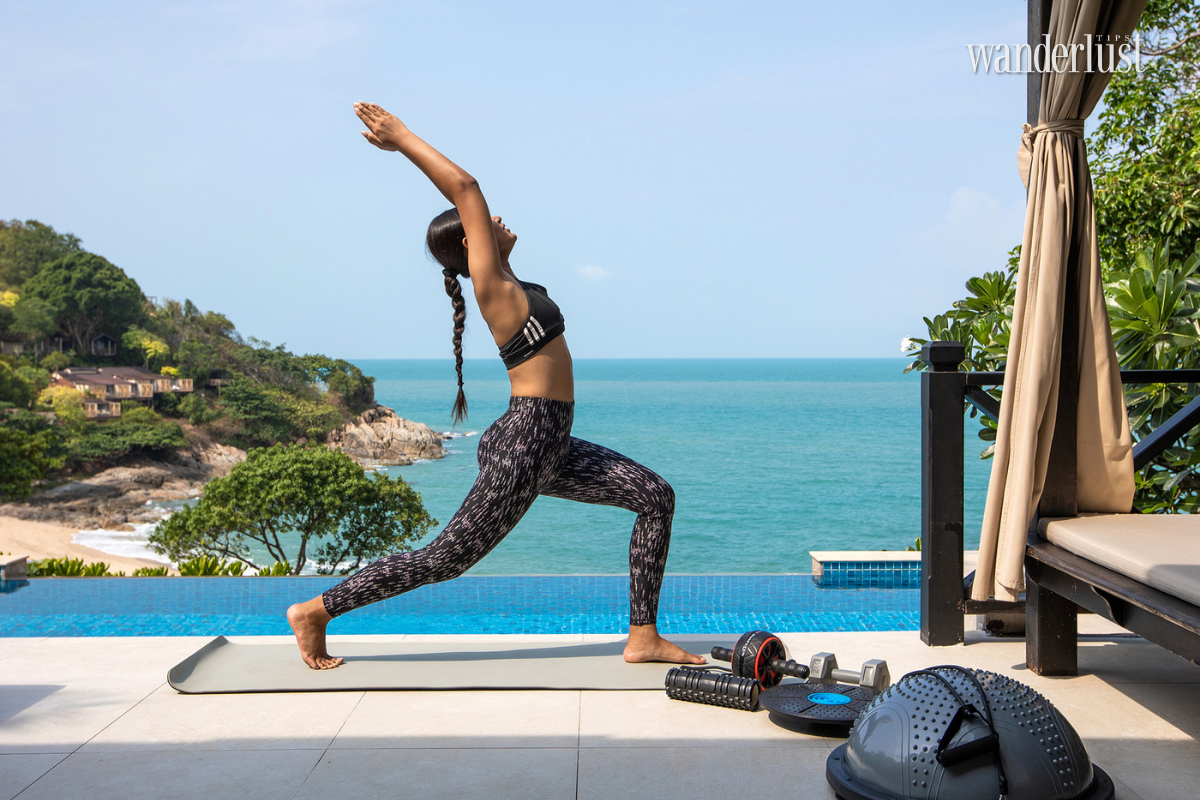
Our team brings “Thainess” into every aspect of a modern wellbeing approach, from a welcome drink of Thai green tea infused with coconut to the products we use. We concentrate on the basics, but we do them right and meaningfully: Thai traditions brought into today’s world, with a focus on slowing down, resting, relaxing and doing something positive for body and mind.

Through initiatives such as the solar-powered drinking water system at Baanplailam School and the Seedling Program for local students, the resort invests in the people around it. How does Garrya Tongsai Bay Samui see its role in sustaining the life and future of the surrounding community?

We operate in a community that allows us to be here. We are grateful for this opportunity, and we therefore see it as our responsibility to be respectful and helpful to our community. 97% of our employees are Thai, and most of our team members have roots on Koh Samui or in the surrounding areas, so we are happy to support the community where our team has its roots.

As the resort approaches four decades since its opening, Khun Akorn’s legacy is now being carried into a new era. What does Garrya Tongsai Bay Samui hope this living heritage will mean for the next generation of guests and team members?

We see that our guest demographics have changed slightly. We are welcoming more and more younger guests who share an interest in sustainability, wellbeing, nature, space and unwinding somewhere private and quiet. So we believe that our “Natural to the Core” concept is timeless and ageless.

When I ask new team members why they would like to join us, they all mention the quietness, the nature and the history of the resort. This tells us that our values are still relevant, and that they will be as important in the future as they are today and were in the past.

Wanderlust Tips sincerely thanks Mr. Lang for sharing his insights into the living legacy of Tongsai Bay. We wish him and the Garrya Tongsai Bay Samui team continued success.

Garrya Tongsai Bay Samui

About Garrya Tongsai Bay Samui

Nestled within 28 acres of tropical landscape along a private bay on Koh Samui, the resort has been guided by a deep respect for nature since its beginnings in 1987. Surrounded by nature, it offers a sense of space, peace and privacy, while remaining within easy reach of Koh Samui Airport and popular attractions such as Fisherman’s Village.

The long-standing “Natural to the Core” philosophy continues alongside Garrya’s focus on wellbeing, simplicity and mindful living. Guests can slow down through holistic treatments at 8LEMENTS SPA, wellbeing activities, Nature Walks and locally inspired experiences. Dining reflects the destination through Thai flavours, fresh seafood, locally sourced ingredients and produce from the resort’s organic garden, bringing together nature, local culture and mindful living in one peaceful Koh Samui retreat.

Read more: Breathing New Life into Mekong Heritage

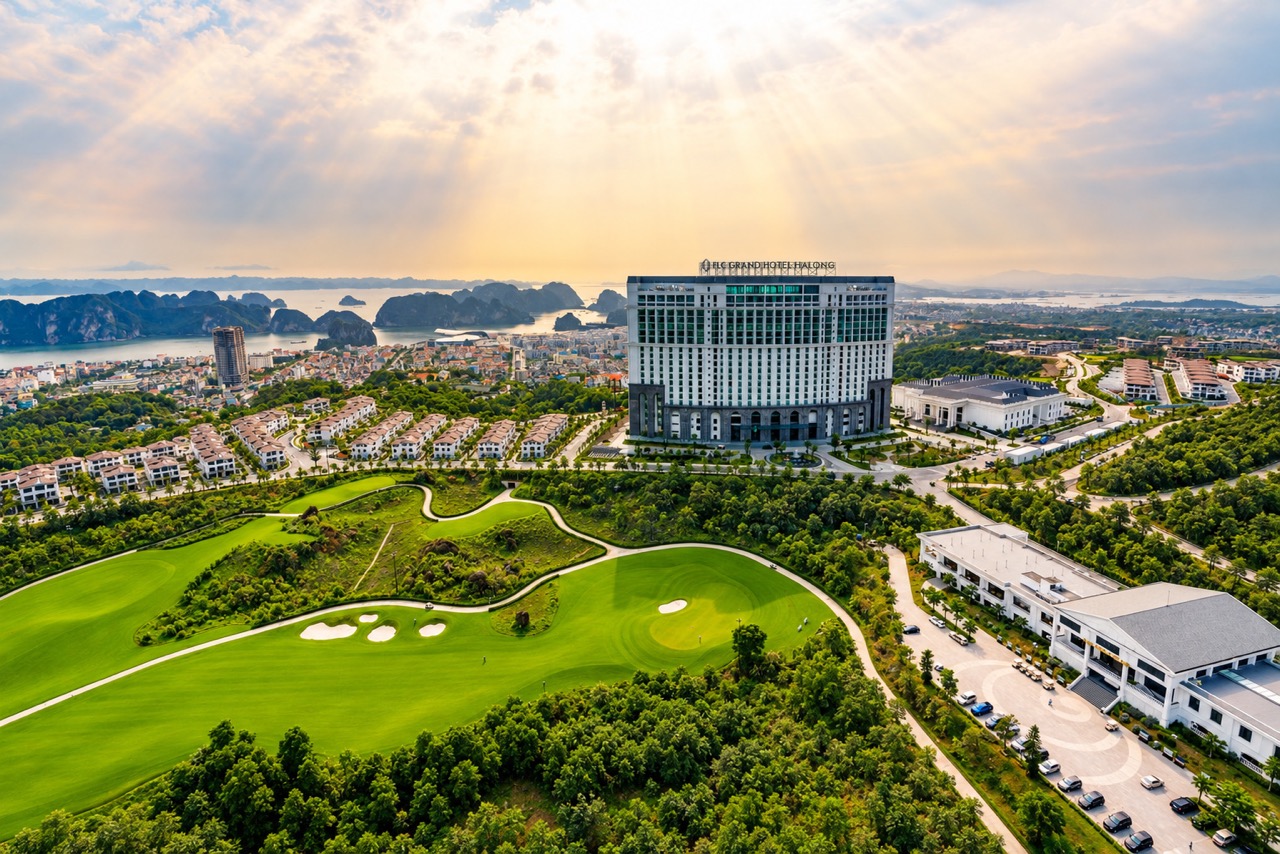
FLC HA LONG

FLC Ha Long Steps Up to Global Standards

FLC Ha Long is gearing up for MICE groups, destination weddings and world-class sporting events on the global stage.

FLC Ha LongIn an exclusive interview with Wanderlust, Mr. Vinayak Razdan, General Manager of FLC Ha Long, reflects on the operational requirements behind large-scale events and outlines how the resort is gearing up to capture new international feeder markets.

Could you share the most notable shifts you have observed in Ha Long’s inbound tourism market?

The most noticeable shift, in my view, lies in the diversification of travel motivations. International guests no longer visit Ha Long solely for leisure or sightseeing around the Bay; their trips are increasingly driven by corporate conferences, incentive programs, golf retreats, or milestone family celebrations.

In 2026 alone, FLC Ha Long welcomed over 25 delegations from India and more than 20 from China, alongside guests from South Korea, Australia, and Pakistan. Notably, many of these groups ranged from several hundred to over 1,000 delegates, bringing highly specific event programs and service expectations.

This evolution requires us to develop a deeper understanding of each market. Global travelers cannot be treated as a monolith; every market, and indeed every individual delegation, has its own distinct expectations.

FLC Ha Long has hosted large MICE groups of over 1,000 delegates. In your view, what is the single biggest operational challenge at this scale?

I have always maintained that hosting 1,000 guests and delivering flawless service to 1,000 guests are two entirely different endeavors.

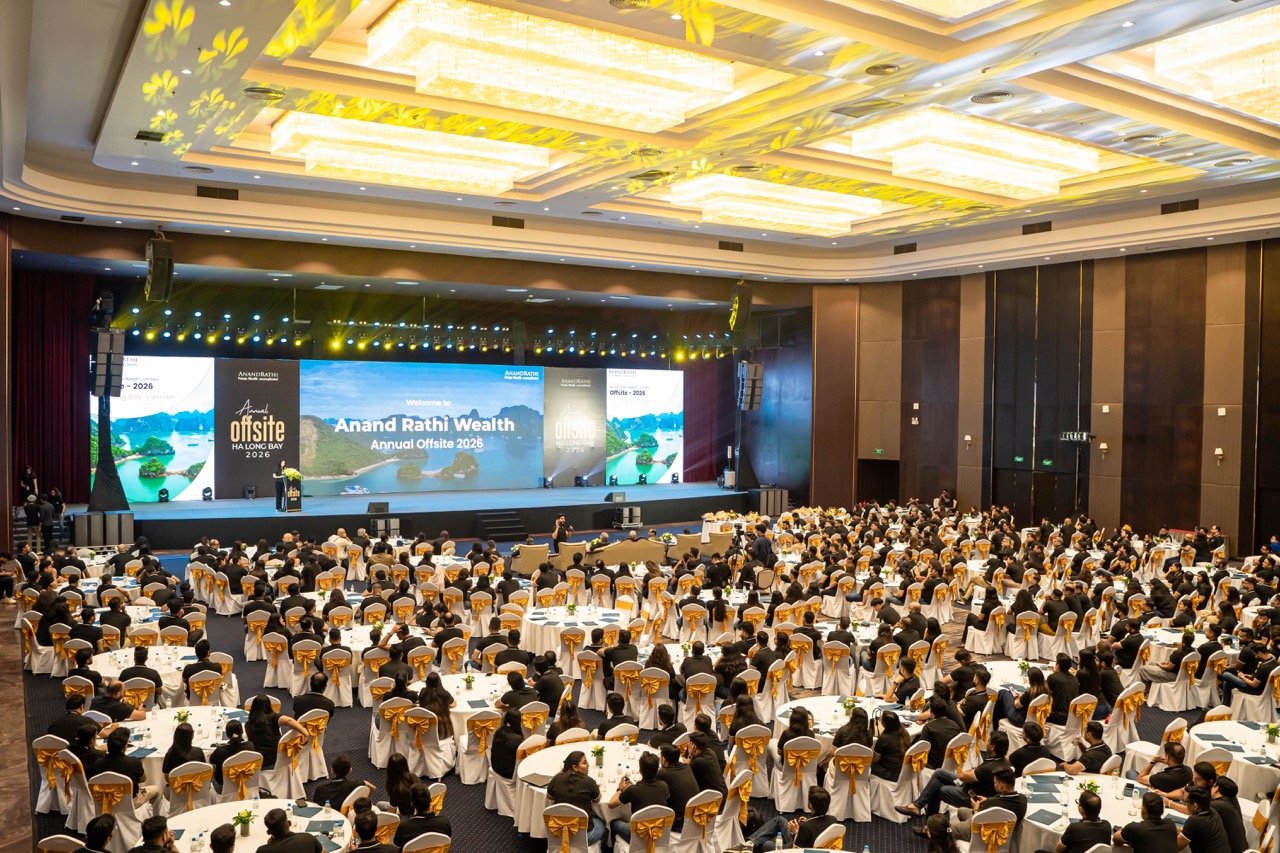
Anand Rathi Wealth Annual Offsite at FLC Ha Long

The Anand Rathi Wealth Annual Offsite, which gathered over 1,000 delegates, is a prime case in point. At this magnitude, the challenge extends far beyond room inventory or ballroom capacity: it demands seamless, cross-departmental synchronization.

From arrivals, check-in logistics, and room allocations to conference sessions, banqueting, and side activities, every moving part must execute according to a unified operational master plan. Even a slight itinerary shift can send ripples across multiple departments.

Furthermore, managing large-scale international delegations requires a high degree of personalization. For instance, within a single Indian group, we may concurrently cater to Vegetarian, Non-Vegetarian, and strictly Jain dietary requirements. These nuances must be factored into the operational blueprint from day one.

Beyond MICE, FLC Ha Long also hosts grand international destination weddings. How do these two segments differ in terms of operational demands?

MICE demands precision, seamless coordination, and strict schedule control. Destination Weddings, on the other hand, place a much higher premium on bespoke personalization and deep cultural empathy.

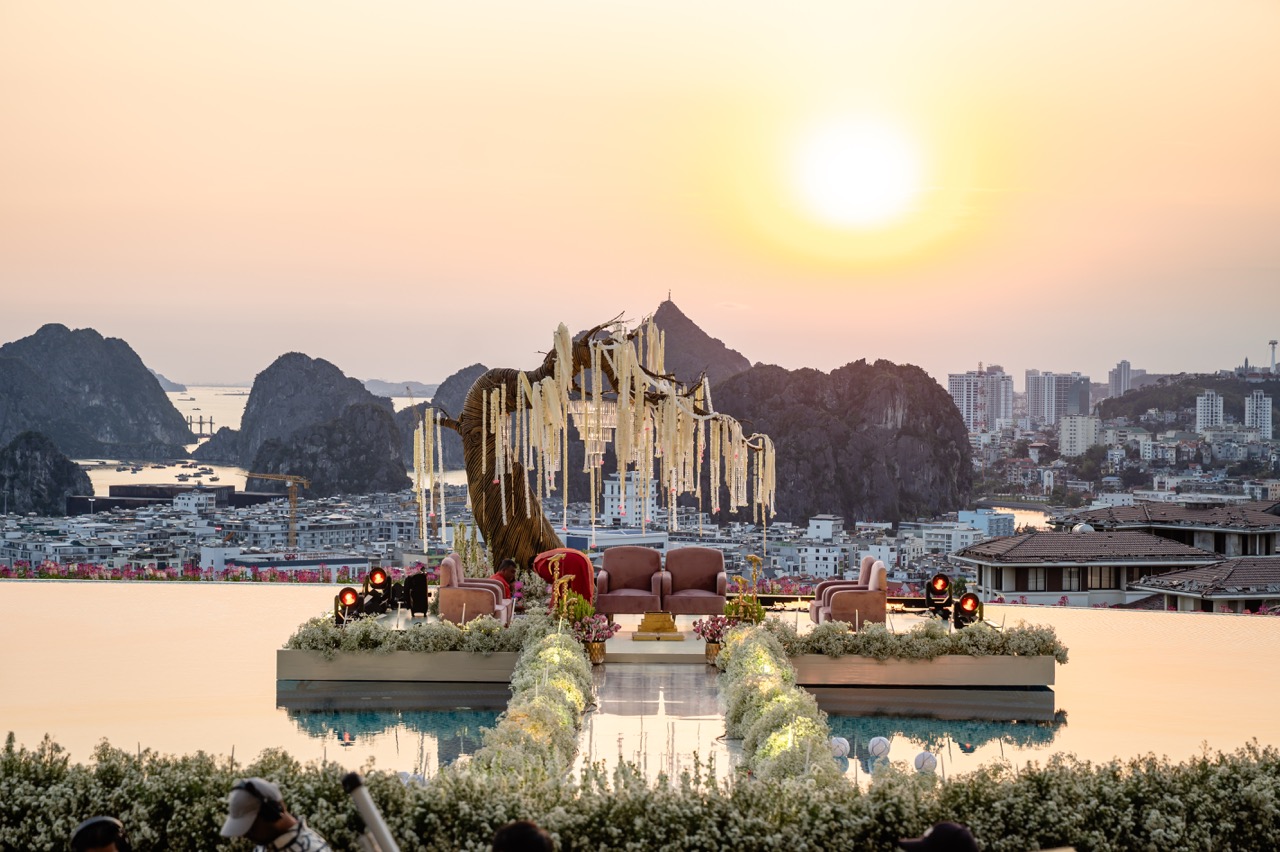
Destination wedding at FLC Ha Long

Each year, FLC Ha Long hosts around 30 to 50 weddings. Notably, in January 2025 and March 2026, we had the honor of hosting two multi-day celebrations for high-profile Indian families, each extending over four to five days.

As an Indian myself, I recognize that there is no single “Indian Wedding template.” Every family upholds distinct rituals, traditions, and expectations.

While we collaborate closely with event planners on concept development, design, and staging, our resort team manages accommodation, F&B, banqueting, and ground logistics. The key is ensuring that every operational unit thoroughly understands the family’s specific priorities so the celebration unfolds exactly as envisioned.

How has FLC Ha Long equipped itself to serve markets with highly specialized cultural requirements?

We firmly believe that cultural understanding must be backed by concrete operational capabilities.

FLC Ha Long boasts an international management team, including a Malaysian Deputy General Manager alongside skilled Vietnamese and Indian chefs. This culinary diversity enables us to authentically execute specialized cuisines, particularly for the Indian market.

For Muslim travelers, the resort was officially awarded Halal Certification by the GHC in July 2026 and operates a dedicated, independent Halal kitchen. This marks a vital strategic step in serving Muslim delegations with strict adherence to halal principles.

To me, international standards do not mean applying a one-size-fits-all approach to every guest. Rather, it means maintaining an unwavering benchmark of quality while flexibly adapting to distinct cultural needs.

How is FLC Ha Long proactively driving inbound market expansion rather than relying solely on existing demand?

We combine destination capability building with proactive market outreach.

FLC Ha Long

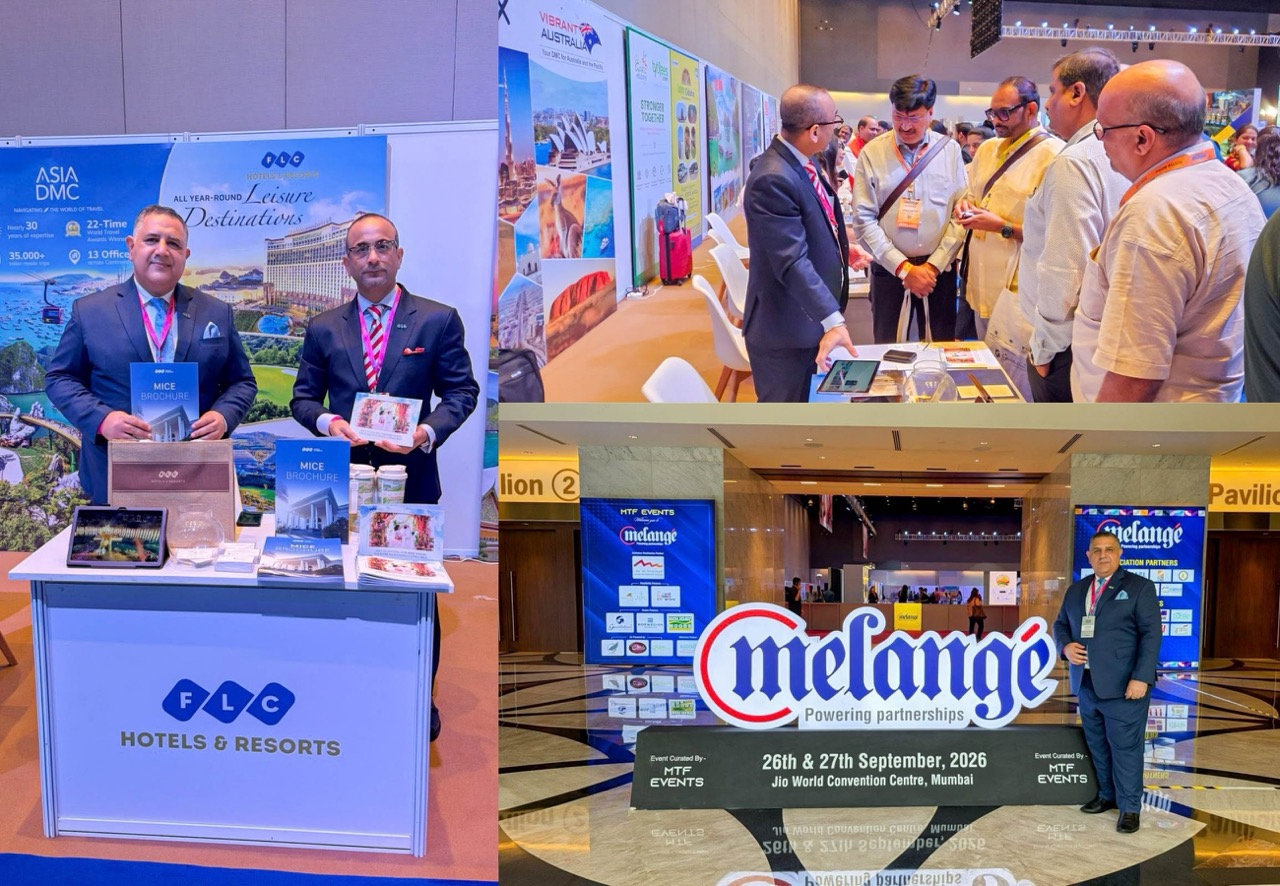
In the Indian market, FLC Hotels & Resorts has deepened its B2B outreach through key trade platforms such as OTM Mumbai and Melange. These forums allow us to engage directly with travel agencies, DMCs, corporate clients, and event planners to understand their evolving needs.

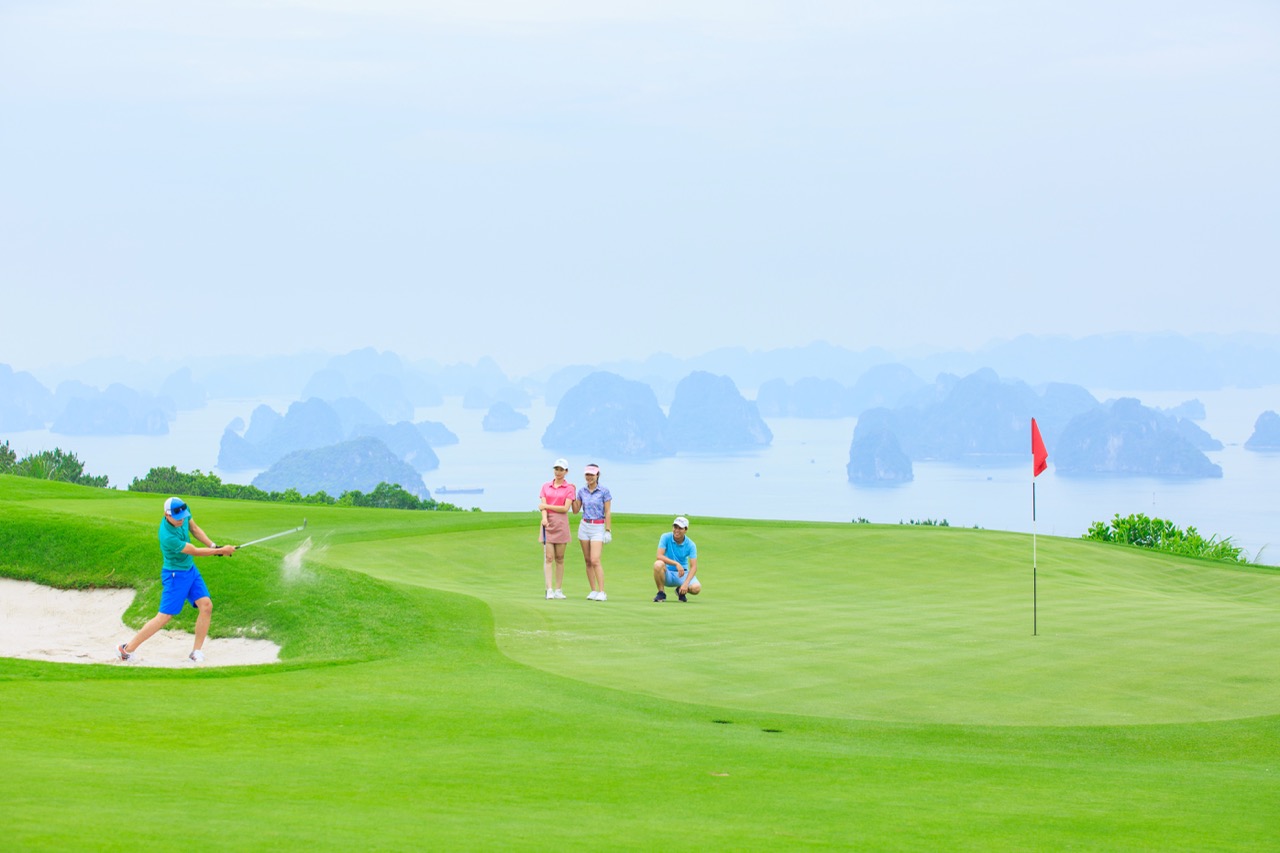
FLC Ha Long golf course

Alongside MICE and Destination Weddings, golf represents another high-potential driver. On August 5, 2026, the Department of Culture, Sports and Tourism of Quang Ninh Province, FLC Group, and the World Amateur Golfers Championship (WAGC) Organising Committee signed a Memorandum of Understanding to host the WAGC World Final 2027 in Quang Ninh.

A world-class golf championship draws not only players, but also families, organizers, and corporate partners who combine tournament play with extended leisure stays.

Looking ahead, what factors will determine FLC Ha Long’s competitive edge in the global arena?

While physical infrastructure provides the foundation, operational agility and adaptability ultimately determine long-term service quality.

We will continue to focus on our core drivers: MICE, Destination Weddings, golf, and Halal-conscious travel markets. To expand our event hosting choices, we recently launched the Sky Ballroom on the 21st floor, accommodating up to 500 guests.

However, attracting major international delegations requires more than the efforts of a single hotel; it hinges on destination-wide synergy, including flight connectivity, transport logistics, MICE infrastructure, and local tourism coordination.

For FLC Ha Long, every international delegation is an opportunity to refine our processes and elevate our team’s expertise. We aim to stay thoroughly prepared so that whenever opportunities emerge in new global markets, we are fully equipped to welcome them.

Thank you, Mr. Vinayak Razdan, for this insightful conversation!

Read more: Phu Quoc: Rising as Asia’s MICE Destination

GM ren

Marriott Appoints Its First Vietnamese Female GM

A 17-Year Journey in Hospitality and the Story of a Female Leader Who Leads with Heart.

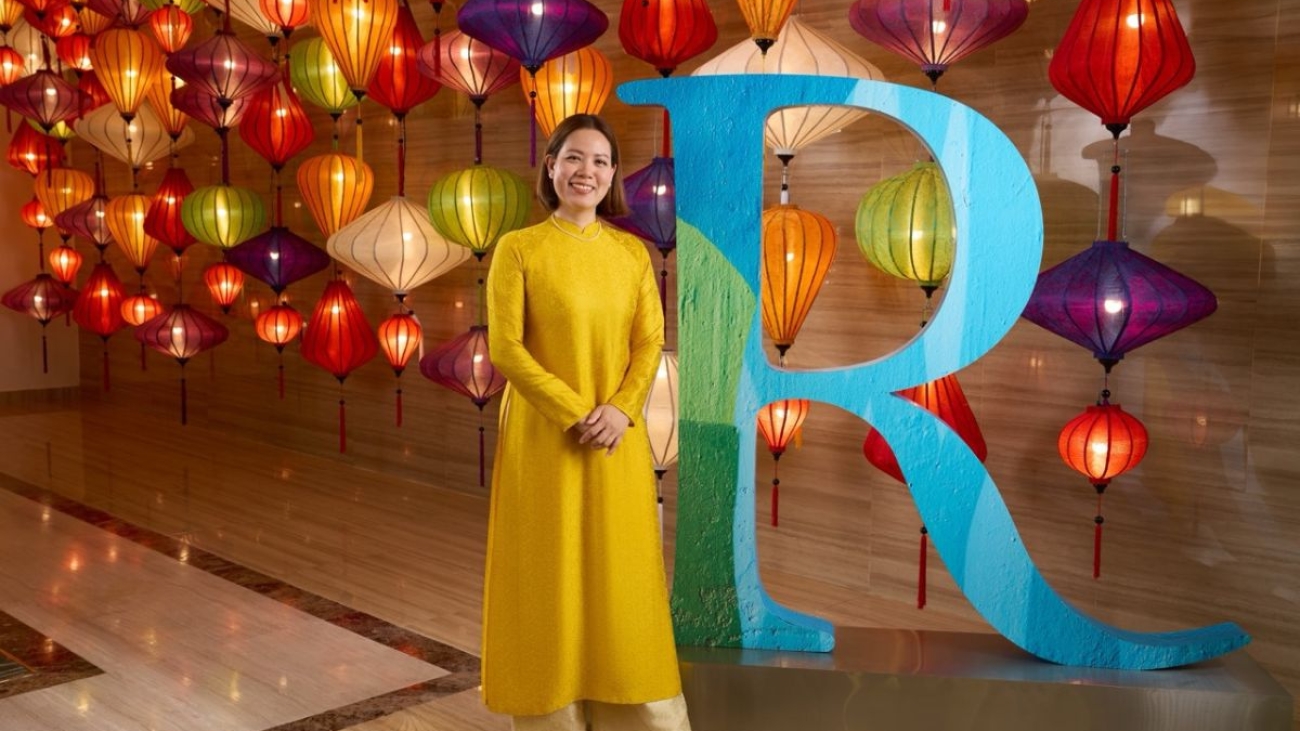
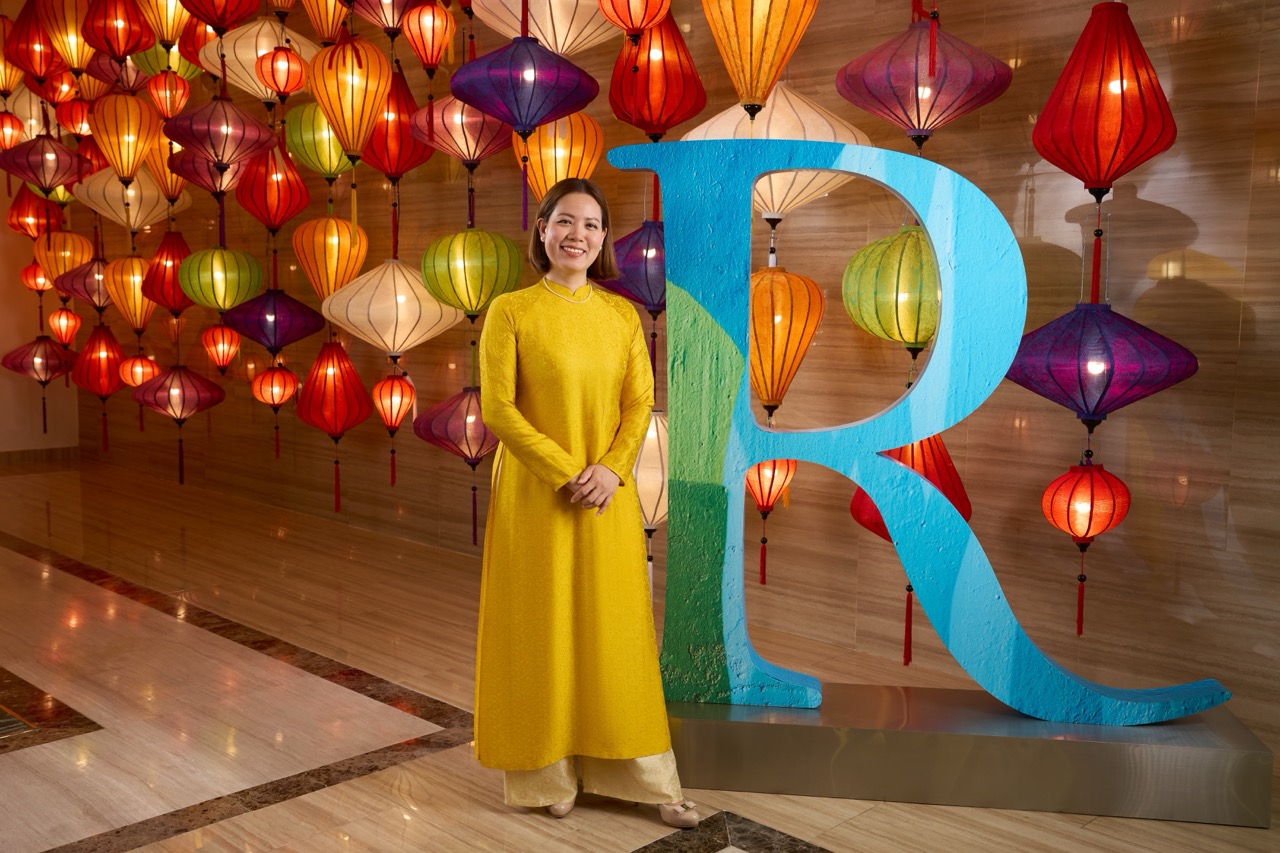
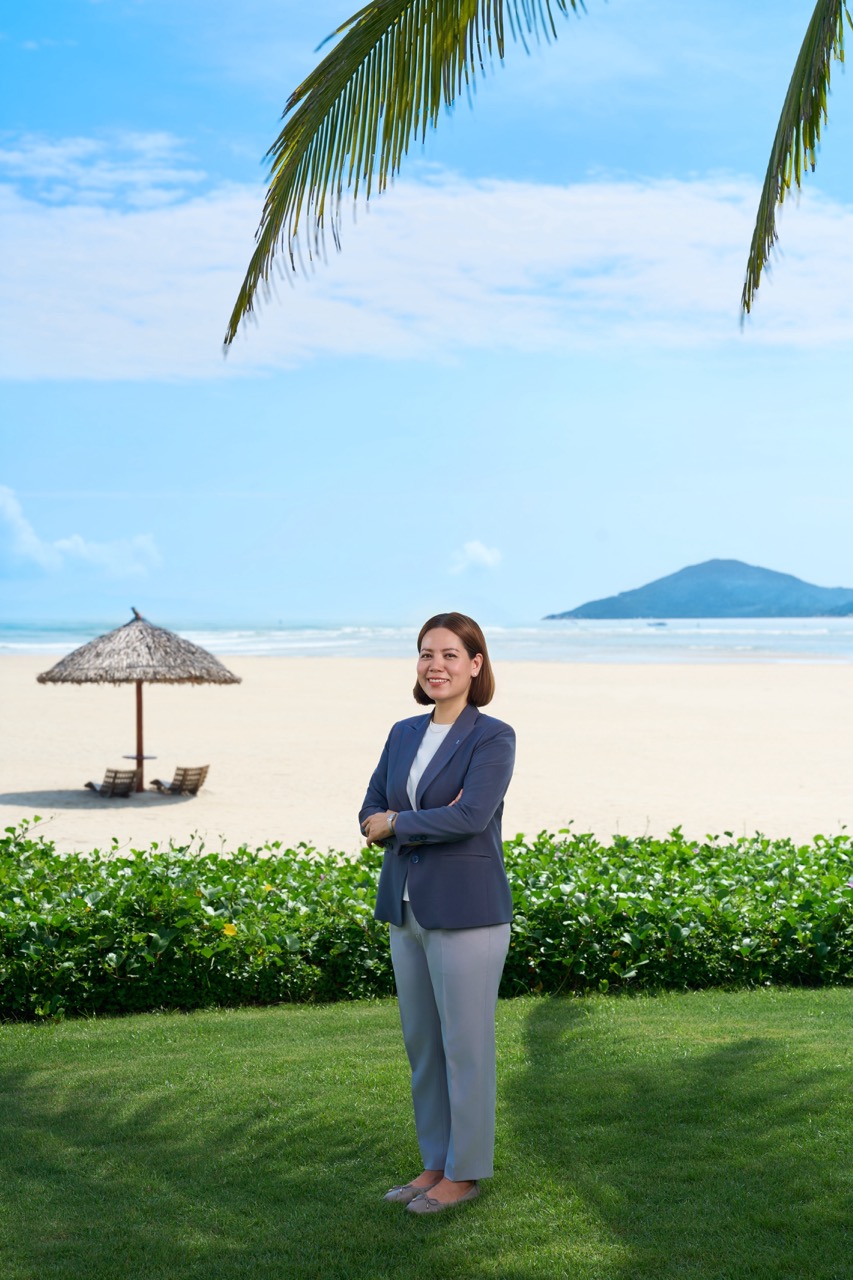
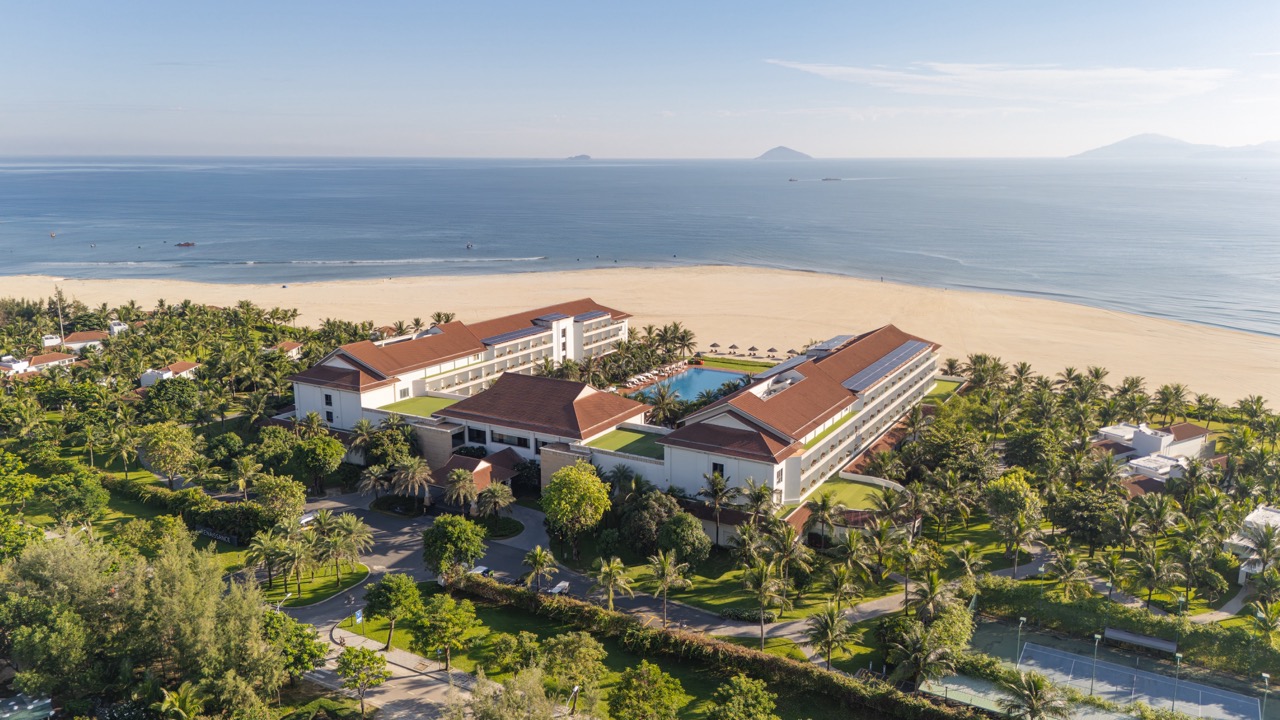
Renaissance Danang Hoi An Resort & Spa is pleased to announce the appointment of Ms. Van Vu as General Manager, marking a significant milestone as she becomes Marriott International’s first Vietnamese female General Manager in Vietnam.

With 17 years of experience in the hospitality industry, Ms. Van Vu has held a wide range of roles spanning Sales, Operations and senior leadership positions across internationally renowned hotel brands. Her career journey took her to Costa Rica, where she spent more than five years at JW Marriott Guanacaste Resort & Spa, before returning to Vietnam to continue leading teams at InterContinental Long Beach Phu Quoc and Fusion Resort & Villas Danang.

Behind this “first” is a journey built step by step, through expertise, experience, perseverance, and the courage to step beyond her comfort zone.

As a Vietnamese woman building a career in hospitality, Ms. Van Vu understands that the journey to leadership can come with its own unique challenges. Rather than seeing limitations as barriers, she chooses to view every challenge as an opportunity to learn, grow and move forward.

For her, this milestone carries meaning beyond personal achievement. It is also a message to young women pursuing careers in hospitality: leadership is a place where they, too, belong.

“What I am most proud of is not simply being the first. I hope my journey can give other women greater confidence to pursue what they truly want and to step forward when opportunities arise.”

From her very first days at Renaissance Danang Hoi An, Ms. Van Vu says she felt a special connection with the resort, describing it as her “second home.”

Ahead of her lies a resort rich with potential, a dedicated team, and guests who have placed their trust in the destination. For Ms. Van Vu, success in hospitality is not defined solely by titles or numbers. More importantly, it is about creating an environment where people feel trusted, empowered to be creative, given opportunities to grow, and able to find happiness and pride in the work they do.

This belief is reflected in the personal philosophy she brings to her leadership:

“Lead with heart, always aim higher, and most importantly, enjoy the fun and wonderful moments that come with our work—moments that only those of us in the hospitality industry are fortunate enough to experience.”

In her new role as General Manager, Ms. Van Vu will work alongside the Renaissance Danang Hoi An Resort & Spa team to further establish the resort as one of the most beloved beachfront resorts in the Da Nang–Hoi An destination, while fostering an environment where every associate can connect, grow and take pride in the place they call home.

For Ms. Van Vu, becoming Marriott International’s first Vietnamese female General Manager in Vietnam is not a destination. It is a reminder that when opportunities arise, women can step forward with their capabilities, courage and individuality.

And perhaps the greatest meaning behind this milestone is not simply who was the first, but how many more women will come to believe: “I can do it, too.”

Read more: When Time Becomes the Measure of a Luxury Experience

Legacy Mekong, Can Tho, Autograph Collection

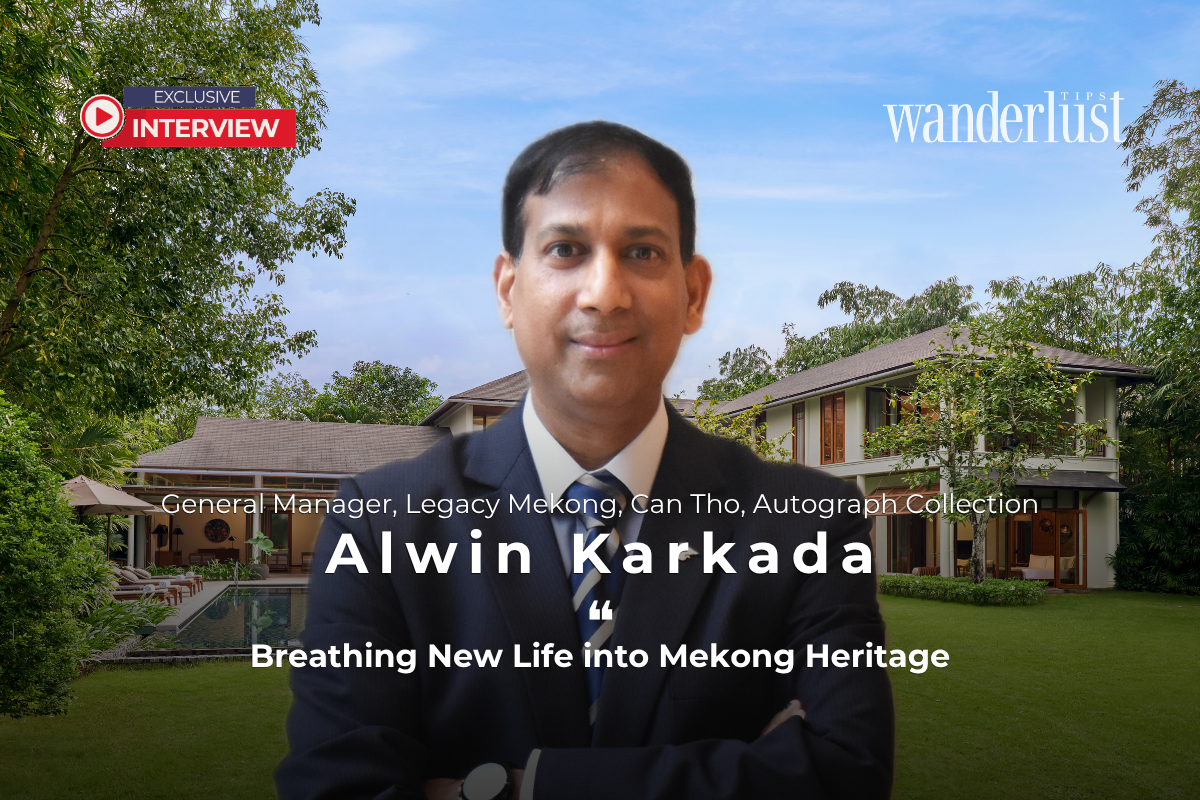
Breathing New Life into Mekong Heritage

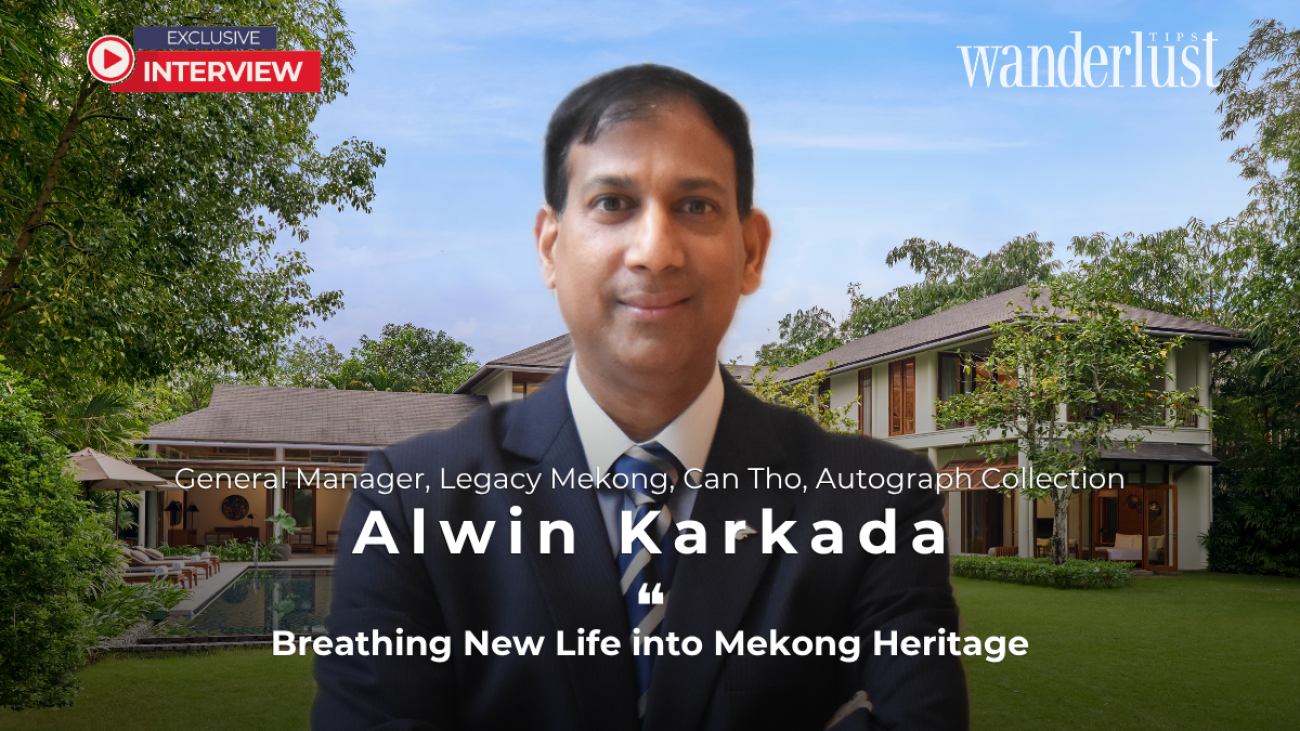
On Con Au Islet, reachable only by boat across the Hau River, Legacy Mekong, Can Tho, Autograph Collection treats heritage as something lived rather than displayed. General Manager Alwin Karkada explains how a river crossing, local flavors, a team rooted in the Delta and unhurried days beneath century-old banyan trees invite guests to understand the Mekong on its own terms. Dear Mr. Karkada, thank you for taking the time to speak with Wanderlust Tips about the living culture of the Mekong Delta at Legacy Mekong, Can Tho, Autograph Collection, as part of our feature, Living Heritage.

The resort sits on Con Au Islet in the Hau River, a place guests can only reach by boat. At Legacy Mekong, what does “living heritage” mean in the Mekong Delta, where so much of the culture unfolds in everyday life along the river?

For us, “living heritage” means experiencing the Mekong as it is lived today, rather than simply looking back at its past. Our location on Con Au Islet makes that connection especially meaningful. Here, water is not simply part of the landscape; it has shaped how people travel, trade, cook, gather and live for generations. At Legacy Mekong, we want guests to encounter this heritage naturally through local flavors and ingredients, craftsmanship, stories, rituals and, most importantly, through the people they meet. These are not recreations of the past, but expressions of a culture that continues to evolve. Our role is to create the space for guests to slow down and engage with that way of life, leaving with a deeper understanding of the Mekong not only as a destination, but as a living culture shaped by the river.

Every stay begins with a private boat transfer from the Legacy Mekong Pavilion to the islet. How does that short river crossing prepare guests to experience the Mekong on its own terms?

The experience of Legacy Mekong begins before guests even arrive. From our Pavilion, they step aboard our private boat and, within a short journey, the city begins to recede. The sounds change, the pace slows, and the river becomes the center of the experience. That transition is important because the Mekong has always been understood from the water. Arriving by boat allows guests to experience the landscape in its natural rhythm, passing along the Hau River before entering the greenery and quiet of Con Au Islet. It is a relatively short crossing, but emotionally it creates a real sense of departure. You leave the pace of the city behind and arrive more open to observing, listening and experiencing the Delta on its own terms.

The resort describes its design as a blend of contemporary elegance and Vietnamese craftsmanship. When heritage becomes part of a room, a bungalow or a villa, how does Legacy Mekong keep it feeling authentic and lived-in, rather than purely decorative?

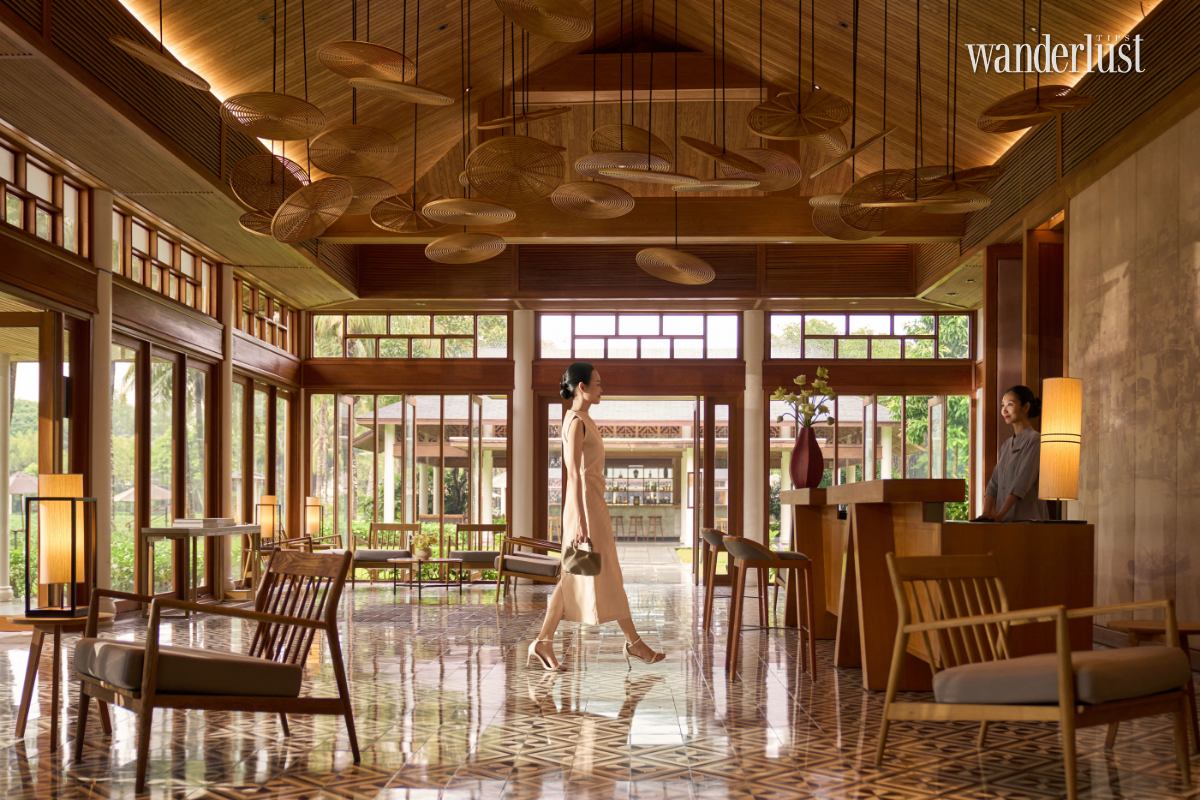
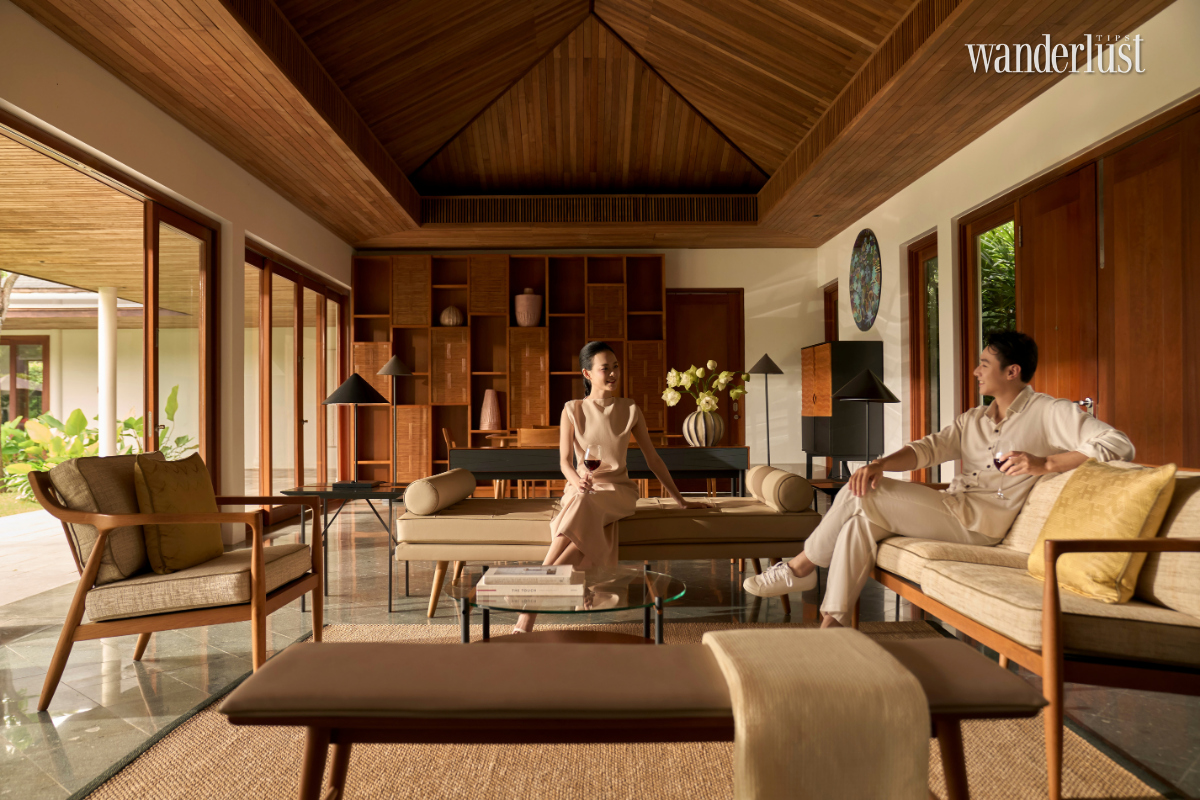
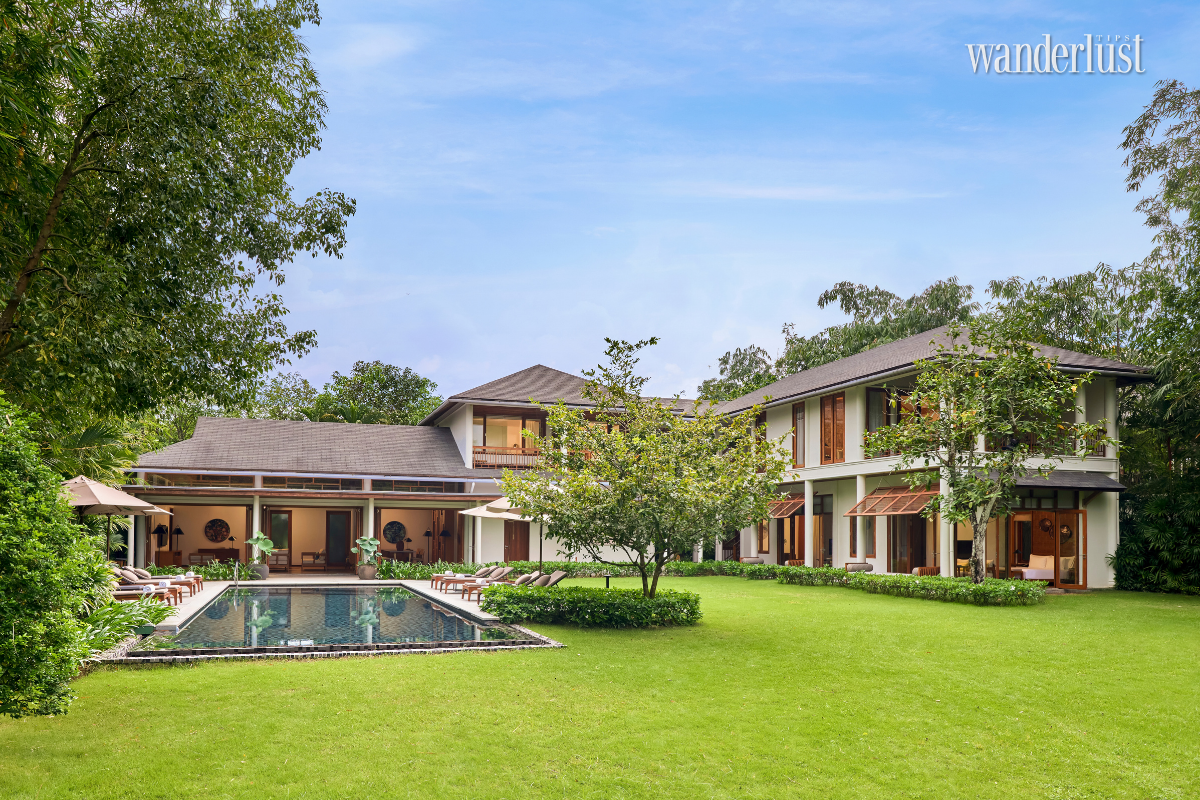
For us, authenticity comes from allowing heritage to inform the atmosphere rather than turning it into decoration. Our bungalows sit naturally among tropical gardens, beneath mature banyan trees and beside the river and lotus ponds, while the villas offer a more contemporary and minimalist interpretation of living in the Delta. Vietnamese craftsmanship, natural materials, textures and details create a connection to place, but we also want the spaces to feel comfortable and relevant to the way people travel today. Heritage should never feel like a museum. Perhaps the most important design element is what surrounds the architecture itself: the changing light, the water, the greenery and the century-old banyan trees. These are living elements of the property, and they give every space a character that could only belong here.

At the resort’s restaurant, Mekong cuisine is prepared with local ingredients and regional flavors. What can a Mekong meal served there tell guests about the Delta that a guidebook cannot?

A guidebook can explain what people in the Mekong eat, but a meal can tell you why they eat that way. The Delta is one of Vietnam’s most fertile regions, and its cuisine has always been closely connected to the river, the seasons and what the land provides. At our restaurant, local ingredients and regional flavors allow us to tell those stories through taste. The kitchen also brings guests closer to the process: the ingredients, techniques and people behind each dish. For me, food is one of the most immediate ways to understand a place. A flavor can evoke a family memory, an ingredient can reveal something about the landscape, and a recipe can carry knowledge from one generation to another. That emotional dimension is something no guidebook can fully reproduce.

Legacy Mekong Spa draws on natural textures, herbal scents and treatments inspired by traditional healing practices. How does the spa balance respect for those traditions with the expectations of today’s international wellness traveler?

Our approach is to take inspiration from local knowledge without trying to reproduce traditional practices simply for effect. Natural textures, herbal aromas and treatments inspired by familiar ingredients create a sense of place, while the quality, comfort and delivery of the experience meet the expectations of today’s international traveler. Beyond the spa, guests can also choose from contemporary activities such as yoga, Pilates and outdoor movement, allowing wellness to feel personal rather than prescribed. Ultimately, the Mekong itself is an important part of that experience. The greenery, water and slower rhythm of the islet naturally encourage guests to disconnect from the pace of everyday life. Sometimes wellness is not about doing more; it is about creating enough space to become still again.

The Cai Rang and Phong Dien floating markets remain among the most vivid expressions of daily life in the Delta. When guests set out to explore them, how does the resort encourage an experience that feels respectful to local communities, rather than simply a sightseeing stop?

The floating markets are meaningful because they developed from everyday life and commerce on the river; they were never created as tourist attractions. That distinction is important. We encourage guests to approach them with curiosity and respect: to observe the rhythms of the market, interact thoughtfully with local vendors, try local produce and understand the role the river continues to play in people’s livelihoods. We also believe that responsible travel should create value for the communities being visited. The best experience is not necessarily about seeing as much as possible, but about taking the time to understand what you are seeing. When travelers approach the Delta in that way, tourism becomes an exchange rather than simply observation.

Around Can Tho, landmarks such as Binh Thuy Ancient House, Ong Pagoda and the Munirangsyaram Khmer Buddhist Temple reflect the many cultures that have shaped the Delta. How does Legacy Mekong help guests appreciate that layered identity during their stay?

One of the fascinating things about Can Tho and the wider Delta is that there is no single cultural story. Vietnamese, Chinese and Khmer influences have existed alongside one another for generations, shaping architecture, spirituality, cuisine and everyday customs. Places such as Binh Thuy Ancient House, Ong Pagoda and Khmer temples allow guests to see those layers beyond the resort. We encourage exploration, but we also try to provide context, because understanding why a place matters often makes the experience far richer than simply visiting it. Back at Legacy Mekong, that same philosophy continues through food, craftsmanship and storytelling. We want the resort to be a starting point for discovering the region, rather than an environment that separates guests from it.

Much of a region’s heritage lives in its people. How does the Legacy Mekong team bring the warmth and stories of the Mekong into the way they welcome guests each day?

The most genuine expression of Mekong hospitality comes from our people. Many members of our team have grown up in this region, so their relationship with the Delta is personal rather than something learned from a script. You feel that in small interactions: the way a local ingredient is explained, a story shared about a tradition, or a recommendation given for somewhere to visit. These moments may appear simple, but they often become the memories guests take home. We can design beautiful spaces and experiences, but genuine warmth cannot be manufactured. Our responsibility is to give our associates the confidence to bring their own knowledge, personality and connection to the region into the way they welcome guests. In that sense, our people are perhaps our most important storytellers.

With family villas of three to five bedrooms and a dedicated Kids Club, the resort clearly welcomes multi-generational travel. How can a family holiday on the islet become a way of passing Mekong heritage on to the next generation?

Children often connect with culture differently from adults. They learn through touching, making, tasting, exploring and asking questions, so we try to make their experience of the Mekong feel natural and playful. Our three-, four- and five-bedroom villas allow several generations to stay together, while the Kids Club, creative workshops, outdoor spaces and nature-led activities give younger guests room to discover at their own pace. But perhaps the most meaningful part is simply experiencing the destination together: arriving by boat, walking beneath old trees, discovering local flavors or watching life along the river. These shared experiences create conversations between generations. Heritage becomes something children remember because they experienced it with their family, rather than something they were taught.

Legacy Mekong has already received prestigious international awards. Looking ahead, how does the resort hope to shape the way travelers see Can Tho and the Mekong Delta as a destination for living heritage?

International recognition is meaningful to us, but what matters more is what that recognition can contribute to the destination around us. We would like Legacy Mekong to help broaden the way international travelers perceive Can Tho and the Mekong Delta. The region should not simply be somewhere travelers pass through briefly or visit only for the floating markets. There is enough cultural depth, nature, cuisine and human connection here to reward a slower and more considered journey. As part of Autograph Collection, we have the opportunity to connect that very local story with an international audience while preserving what makes it distinctive. If guests leave wanting to understand more about the Mekong, stay longer, return again and encourage others to experience it thoughtfully, then I believe we are contributing something meaningful to the destination.

Wanderlust Tips sincerely thanks Mr. Karkada for sharing his valuable insights into the living culture of the Mekong Delta, and wishes him and the Legacy Mekong team continued success.

About Legacy Mekong, Can Tho, Autograph Collection

Set across eight hectares of lush greenery on secluded Con Au Islet in the Hau River, Legacy Mekong, Can Tho, Autograph Collection is a retreat shaped by the landscape, culture and rhythms of Vietnam’s Mekong Delta. Accessible by a private boat journey from the hotel’s Pavilion, the resort features 60 bungalows and 5 private pool villas surrounded by tropical gardens, lotus ponds and century-old banyan trees. Its experiences draw inspiration from the region’s cuisine, craftsmanship, nature and everyday traditions, while contemporary facilities offer space for wellness, recreation and family connection. As part of Autograph Collection, Legacy Mekong celebrates an individual sense of place, inviting travelers not simply to visit the Delta, but to slow down, engage with its stories and experience what the resort calls “The Mekong’s Quiet Wonder.”

Whispers of the Forest Beneath Garrya Mù Cang Chải’s Bamboo Roof

Hyatt Centric City Centre Kuala Lumpur

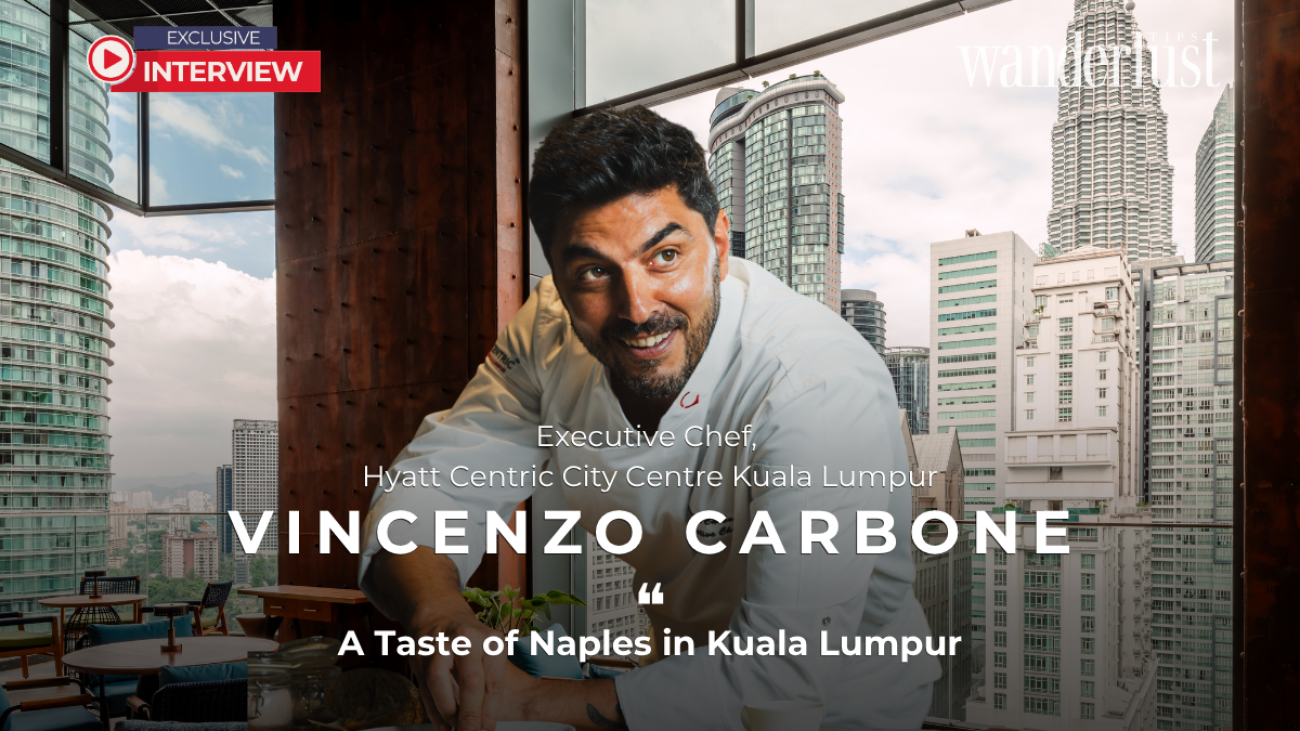
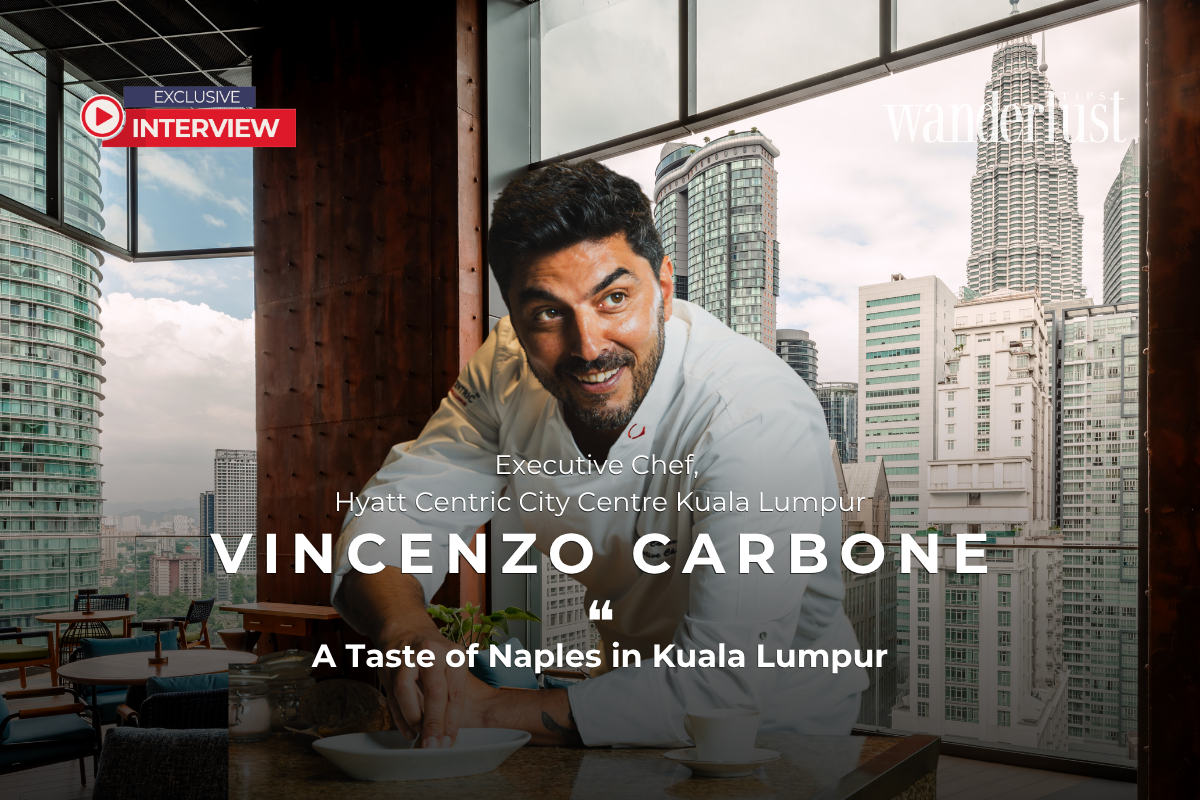
A Taste of Naples in Kuala Lumpur

At Hyatt Centric City Centre Kuala Lumpur, the kitchen carries an unmistakably Neapolitan accent, shaped by three decades of cooking across four continents. In this month’s “Behind the Kitchen” feature, Executive Chef Vincenzo Carbone speaks to Wanderlust Tips about the volcanic-stone oven he carried home from Naples, the philosophy binding IL Forno, TanBuri and @21 Rooftop Bar under one roof, and why he believes the simplest dishes are always the hardest to master.

Dear Chef Enzo, thank you for taking the time to speak with Wanderlust Tips as part of our “Behind the Kitchen” feature. We are delighted to have you with us today.

You grew up in Naples and have cooked across four continents over the past 30 years. Looking back, what moment or place changed the way you think about food most profoundly?

I always say my first kitchen was my family home in Naples. Growing up, food was never just about eating. It was about family, tradition, conversation and generosity. Watching my mother and grandmother cook taught me that the best dishes are often the simplest, provided they are made with care and respect for the ingredients. Travelling across different countries reinforced that lesson. Every culture has its own traditions, but the common thread is that food brings people together. That is something I have carried with me throughout my career. Whether I am cooking in Italy, China or Malaysia, I always try to create food that connects people around the table.

As Executive Chef of Hyatt Centric City Centre Kuala Lumpur, you oversee the entire culinary direction of the hotel, from IL Forno to TanBuri to the rooftop bar. How do you bring coherence to such different dining concepts under one roof?

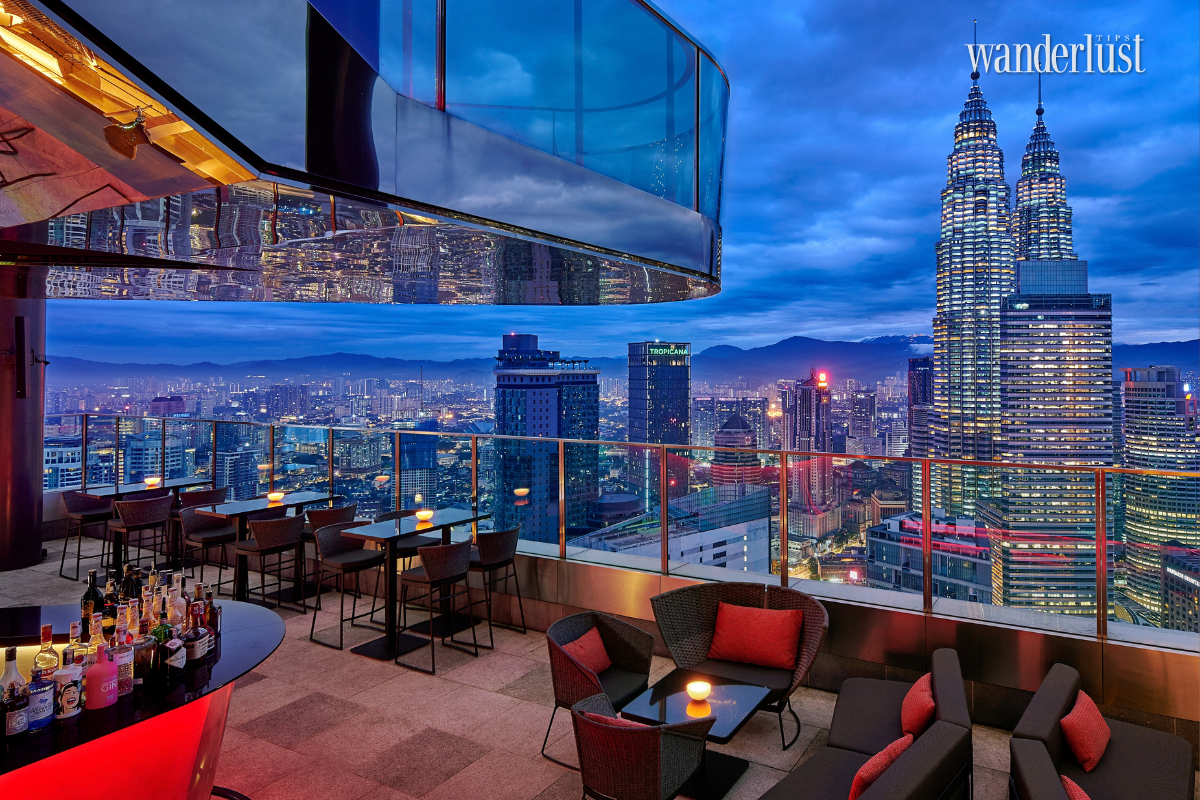
Although each outlet has its own personality, they all share the same philosophy: honest food, quality ingredients and memorable experiences. IL Forno celebrates authentic Italian cuisine rooted in my heritage. TanBuri focuses on approachable local comfort flavours, while @21 Rooftop Bar is about bringing people together over creative drinks and casual bites with a view of the city. What connects them is consistency. Every dish, every drink and every interaction should reflect the same commitment to quality, hospitality and creating moments that guests remember.

Hyatt Centric as a brand is built around connecting guests to local culture. How does that philosophy translate into the food and beverage experience you are building here in Kuala Lumpur?

One of the things I enjoy most about working in Kuala Lumpur is its incredible diversity. People here are curious about food and very open to discovering different flavours. While IL Forno remains authentically Italian, we also recognise where we are. We think about how local diners enjoy sharing food, how families gather, how friends celebrate and how travellers explore a city through its dining scene. Our goal is not to change Italian recipes. It is to present authentic Italian cuisine in a way that feels welcoming and relevant to the people dining with us in Kuala Lumpur.

IL Forno is described as a trattoria, a word that carries a very specific feeling in Italy. What does that word mean to you, and how have you tried to bring that spirit to life here?

For me, a trattoria is about warmth rather than formality. It is the kind of place where people feel comfortable returning again and again. The food is honest, portions are generous, conversations are lively and everyone feels welcome. That is exactly what we wanted IL Forno to become. We want guests to enjoy authentic Italian food in a relaxed atmosphere, whether they are celebrating a special occasion or simply sharing a meal with family and friends after work.

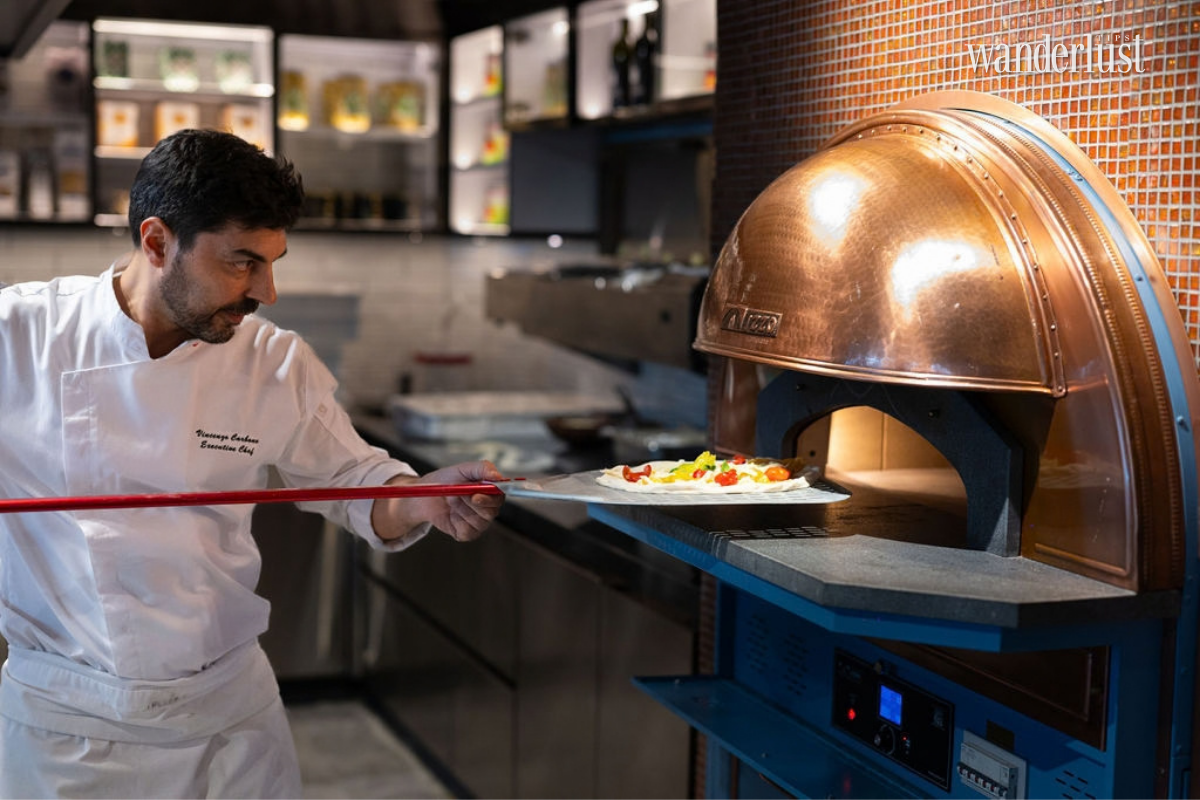
You brought a pizza oven from Naples to Kuala Lumpur, hand-crafted from volcanic stone. What does that oven mean to you, and what does it bring to the kitchen that nothing else can replace?

The oven is much more than a piece of equipment. It represents where I come from. Traditional Neapolitan pizza depends on extremely high temperatures and the way heat circulates inside the oven. Combined with our 36-hour slow-matured dough, it creates the light, airy crust and distinctive texture that simply cannot be replicated in a conventional oven. Every pizza that comes out of that oven carries a small piece of Naples with it, and I think our guests can taste the difference.

The one-metre antipasto has become a signature at IL Forno. Where did that idea come from, and what do you hope guests feel when it arrives at the table?

Italian dining has always been about sharing. The one-metre antipasto was designed to recreate that feeling of gathering around a table before the main meal begins. It encourages people to explore different flavours together, rather than ordering individual starters. When it arrives at the table, I hope it creates excitement. It is often the moment when everyone puts down their phones, starts talking, reaches across the table and simply enjoys being together. Those are the moments that make dining memorable.

Malaysian diners are adventurous and discerning. What do you most want them to discover about the dining experiences at this hotel?

I hope they discover authenticity. Authenticity does not mean making food complicated. It means respecting traditions, using quality ingredients and cooking with purpose. Whether someone visits IL Forno, TanBuri or @21 Rooftop Bar, I want them to leave feeling that they experienced something genuine. Good food should tell a story, and every outlet has its own story to share.

After 30 years in professional kitchens, what still excites you about cooking?

Every day is different. New ingredients, new ideas, new people and new challenges keep cooking interesting. I also enjoy mentoring young chefs and watching them develop their own confidence and creativity. The day I stop learning is the day I should stop cooking. Fortunately, I still learn something every day.

If you could share one dish from the current menu that says everything about what your kitchen stands for, what would it be and why?

It would have to be the Pizza Margherita. Many people think it is the simplest pizza, but that simplicity is exactly what makes it so challenging. There is nowhere to hide. Every ingredient matters, every step matters and every second in the oven matters. It represents everything I believe in: respecting tradition, using quality ingredients and letting craftsmanship speak for itself.

You have said that food means happiness. What does that look like for you at the end of a long service? 

For me, happiness is walking through the restaurant and seeing people still talking after they have finished their meal. It is hearing laughter from a table, seeing empty plates, or watching someone introduce a friend to a favourite dish for the first time. Cooking is hard work, but moments like those remind me why I chose this profession many years ago. If people leave happier than when they arrived, then we have done our job.

Wanderlust Tips extends its warmest thanks to Chef Enzo for a conversation as generous as his cooking. We look forward to tasting more of his Neapolitan craftsmanship at Hyatt Centric City Centre Kuala Lumpur.

About Hyatt Centric City Centre Kuala Lumpur

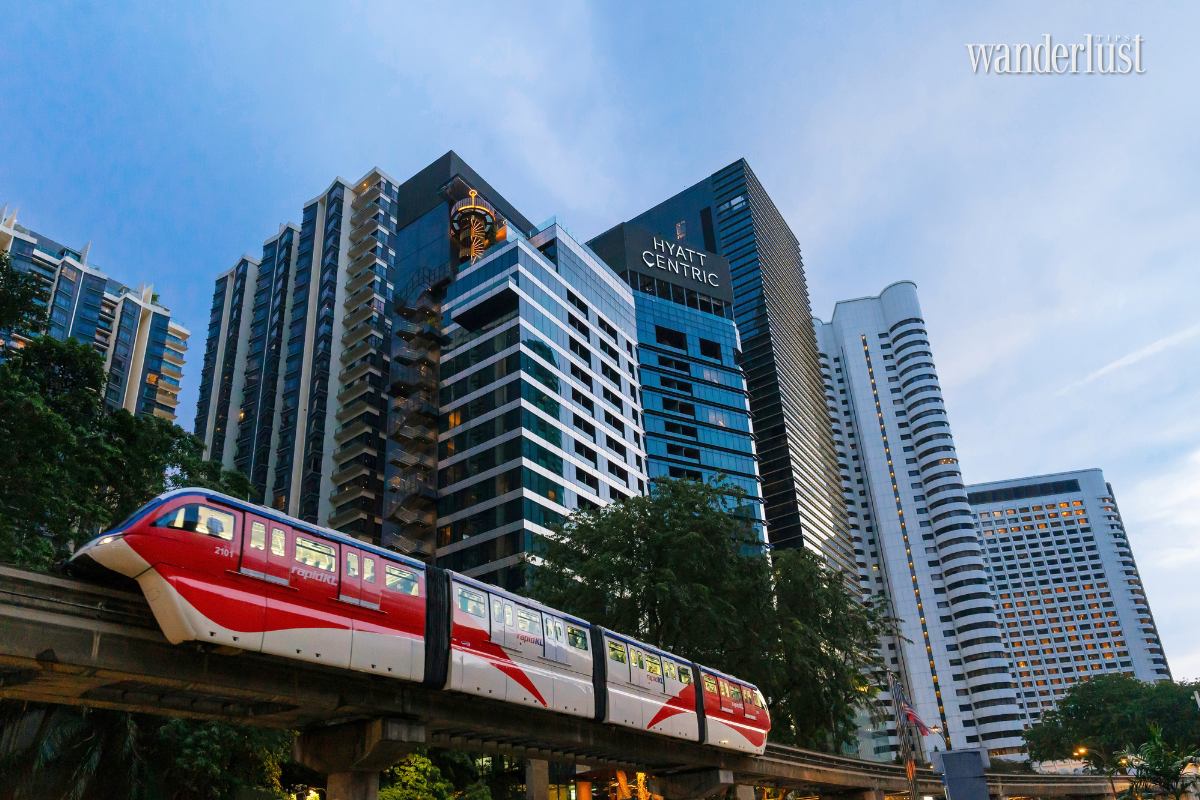
Hyatt Centric City Centre Kuala Lumpur places travellers in the heart of the city, within walking distance of the Petronas Twin Towers, KL Tower and Bukit Bintang. Inspired by Kuala Lumpur’s tin-mining heritage, the hotel’s contemporary design features industrial textures, bold local artwork and vibrant spaces that reflect the city’s creative spirit. With 312 stylish rooms and suites, including both balcony and non-balcony options, guests can choose how they experience the city. Three distinctive dining destinations, TanBuri, IL Forno and @21 Rooftop Bar, along with a 24-hour fitness centre and infinity saltwater pool, make the hotel the perfect launchpad to discover Kuala Lumpur like a local.

Chef Azizi and His Journey to Elevate Malaysian Cuisine

Sofitel Metropole Hanoi

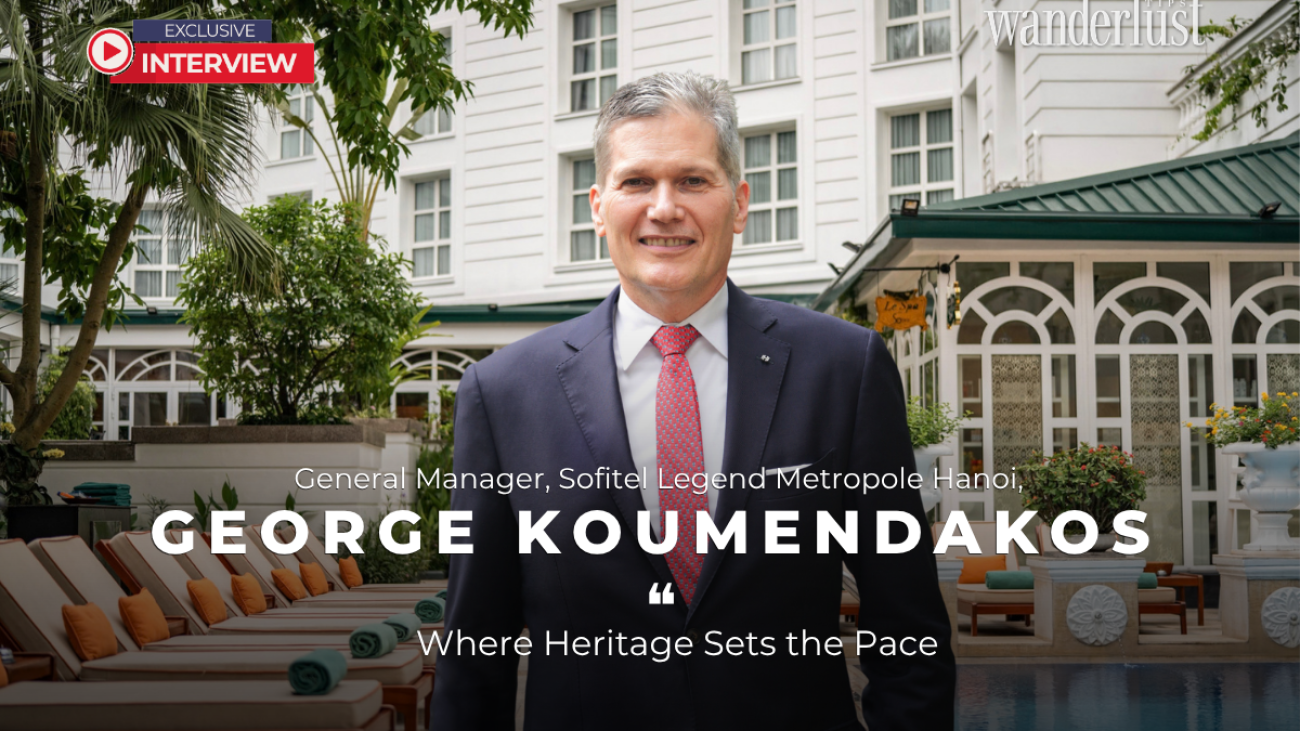
Where Heritage Sets the Pace at Sofitel Legend Metropole Hanoi

At 125 years old, Sofitel Legend Metropole Hanoi has never chased the city’s accelerating pace; it has simply held its own. In conversation with Wanderlust Tips, General Manager George Koumendakos traces the hotel’s philosophy of unhurried luxury, from the lacquer-inspired exhibition marking its anniversary to the quiet rituals, literary ghosts and wellness journeys that keep Sofitel Legend Metropole Hanoi a living witness to Hanoi’s history.
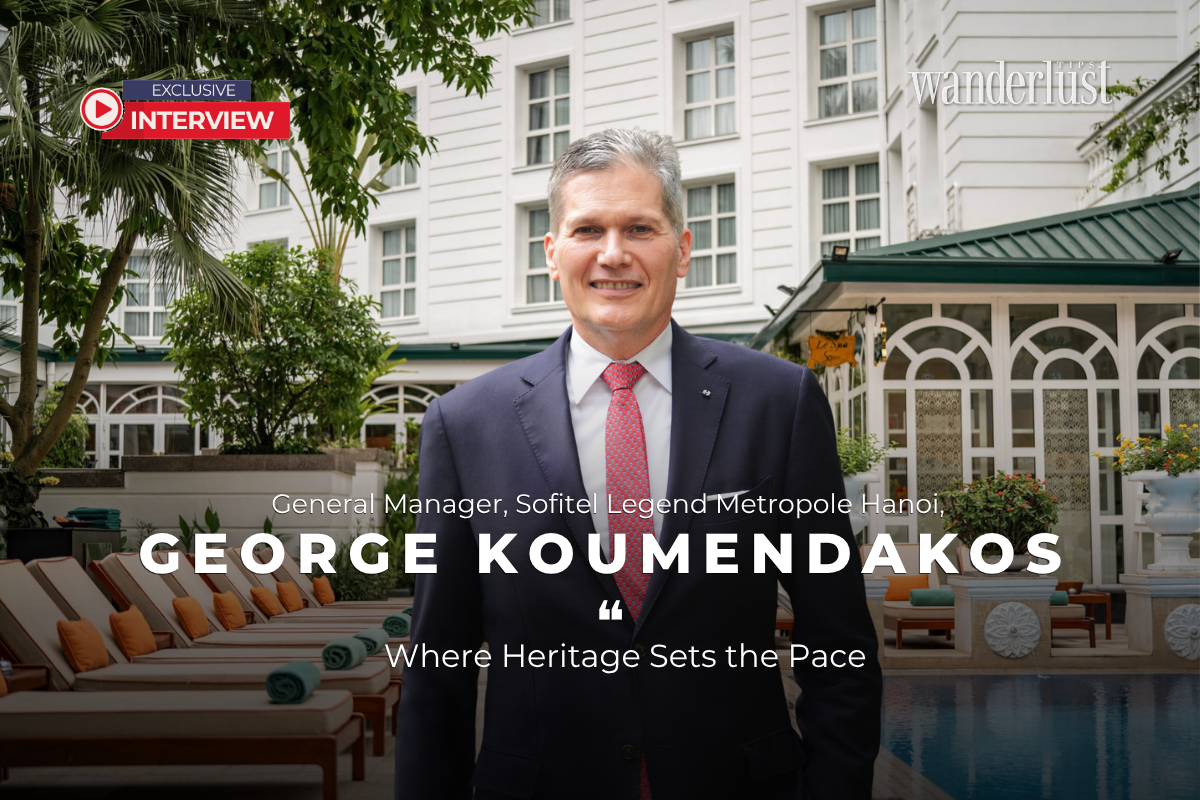
Dear Mr. Koumendakos, thank you for taking the time to speak with Wanderlust Tips at Sofitel Legend Metropole Hanoi. We are delighted to have you with us today.

Across 125 years, Sofitel Legend Metropole Hanoi has watched Hanoi transform around it, again and again. In a world that moves ever faster, what does the word “slow” still mean to hospitality today?

At first, “slow” may sound out of step with the times. But it does not mean being outdated. No matter how dynamic a city becomes, there will always be quieter moments within its rhythm. Hospitality is much the same.

Today, standards of luxury service are constantly rising. Brands in general, and the hospitality industry in particular, are quick to recognise new trends to meet guests’ growing expectations. Sustainability, for example, was once seen as an added value; today, it has become an essential standard for luxury hotels.

At Sofitel Legend Metropole Hanoi, I believe true luxury lies in the quality of attention given even to the smallest details. Rather than simply moving on, we take time to remember our guests’ preferences and stories, then turn that understanding into meaningful experiences. We do not rely on formula simply for efficiency. We welcome each guest as an individual. And rather than providing every piece of information through a digital screen, we still share in person the inspiring stories that have been passed down through generations of employees and guests over the past 125 years.

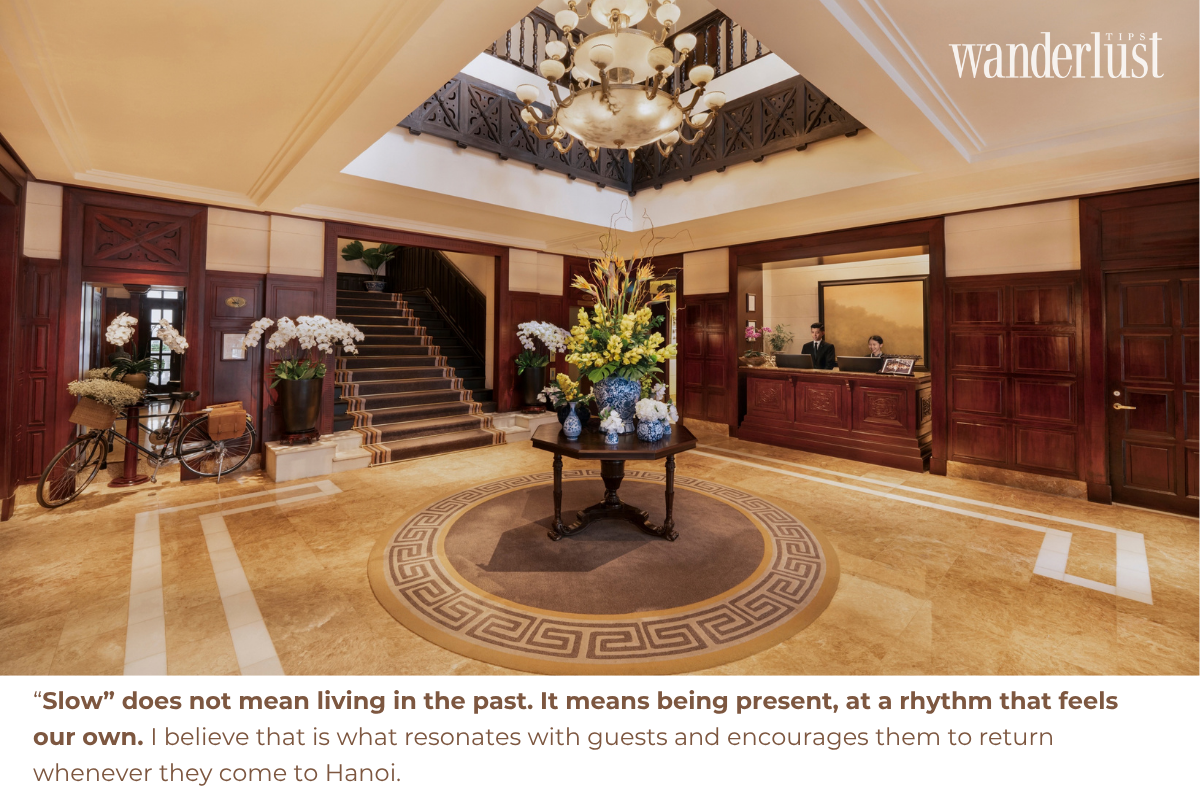
“Slow” does not mean living in the past. It means being present, at a rhythm that feels our own. I believe that is what resonates with guests and encourages them to return whenever they come to Hanoi.

For 125 years, Sofitel Legend Metropole Hanoi has been a place where guests can slow down and experience Hanoi more deeply through heritage, culinary, craftsmanship and human connection. As the city continues to evolve at great pace, our role is to preserve that sense of continuity: an elegant retreat where every experience is thoughtful, unhurried and memorable.

Lacquer is a material that rewards patience, artisans build and polish each layer over weeks before a piece is finished. In bringing “Indochina and After” into the hotel for its 125th anniversary, what parallels do you see between that rhythm and the way Sofitel Legend Metropole Hanoi itself has operated for more than a century?

Time is the most important catalyst in lacquer art. With traditional lacquer, there is no way to rush the process. The artist must wait for the right moment before moving on to the next stage, repeating the work over many days and months. The value of a piece lies not only in its final finish, but also in the layers that have been built up and polished with patience throughout the process.

I see many similarities with Sofitel Legend Metropole Hanoi’s own journey. Since its opening in 1901, the hotel has been shaped not only by its architecture or historic milestones, but also by layers of memories, the dedication of generations of employees, and the experiences created for guests across different periods.

We continue to renew ourselves for the way people live today, but always with respect for the values that have shaped our identity and given us such a strong foundation.

That is why “Indochina and After” is such a natural fit for Sofitel Legend Metropole Hanoi. The works by artists from the generation that followed the Indochina School of Fine Arts offer new perspectives on Vietnamese artistic and cultural roots through a contemporary visual language. In much the same way, Sofitel Legend Metropole Hanoi continues to preserve its timeless elegance and enduring heritage within contemporary life, while constantly pursuing excellence and developing increasingly personalised, elevated experiences for the future.
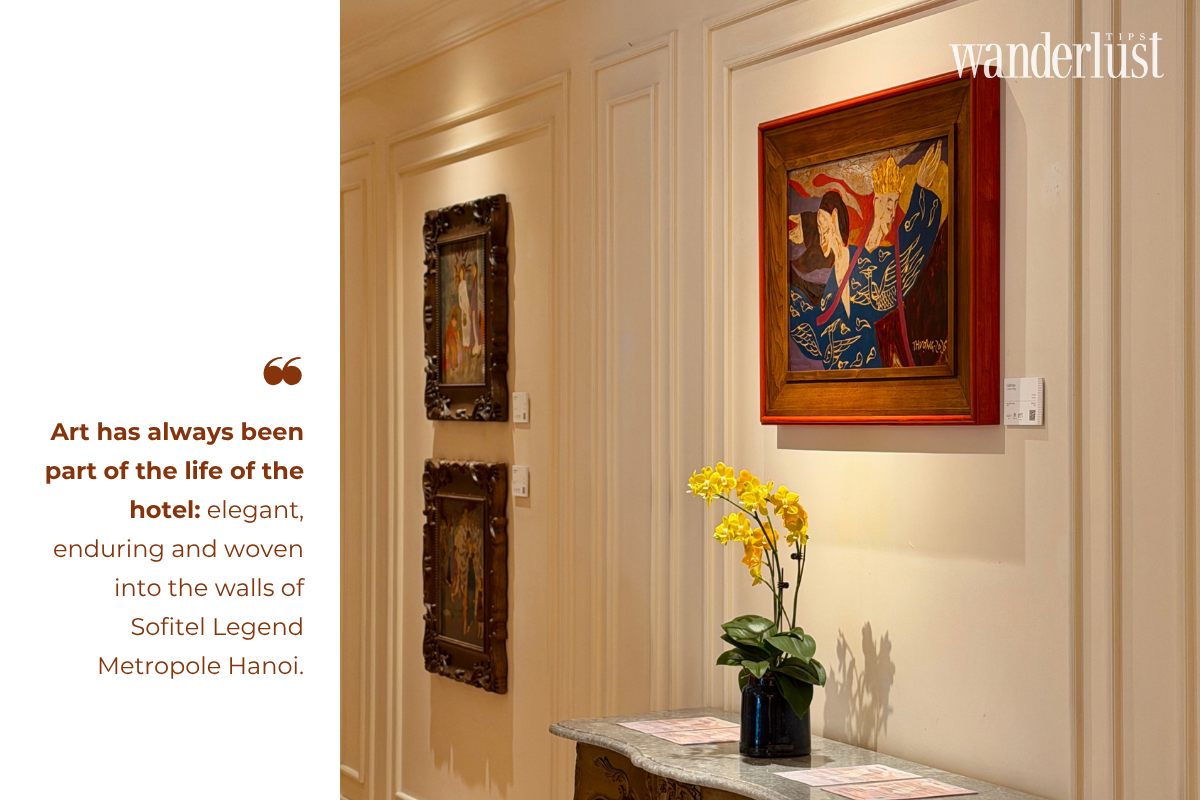
Of all the ways to mark a milestone as significant as 125 years, why did Sofitel Legend Metropole Hanoi choose art as its principal voice?

For 125 years, Sofitel Legend Metropole Hanoi has been more than a meeting place for business leaders, distinguished guests and heads of state. It has also been a place where history, culture and art naturally come together. Art has always been part of the life of the hotel: elegant, enduring and woven into its walls.

Here, experiences are delivered almost like inspired performances: multisensory, distinctive and never exactly the same. Our employees are not referred to in the conventional way; we call them Heartists: in other words, artists who act from the heart.

Art is practised here in many different forms. It is not only about viewing artworks. It can also be found in an exceptional culinary creation, in a musical moment, or in the graceful yet precise movements of our highly skilled spa therapists.

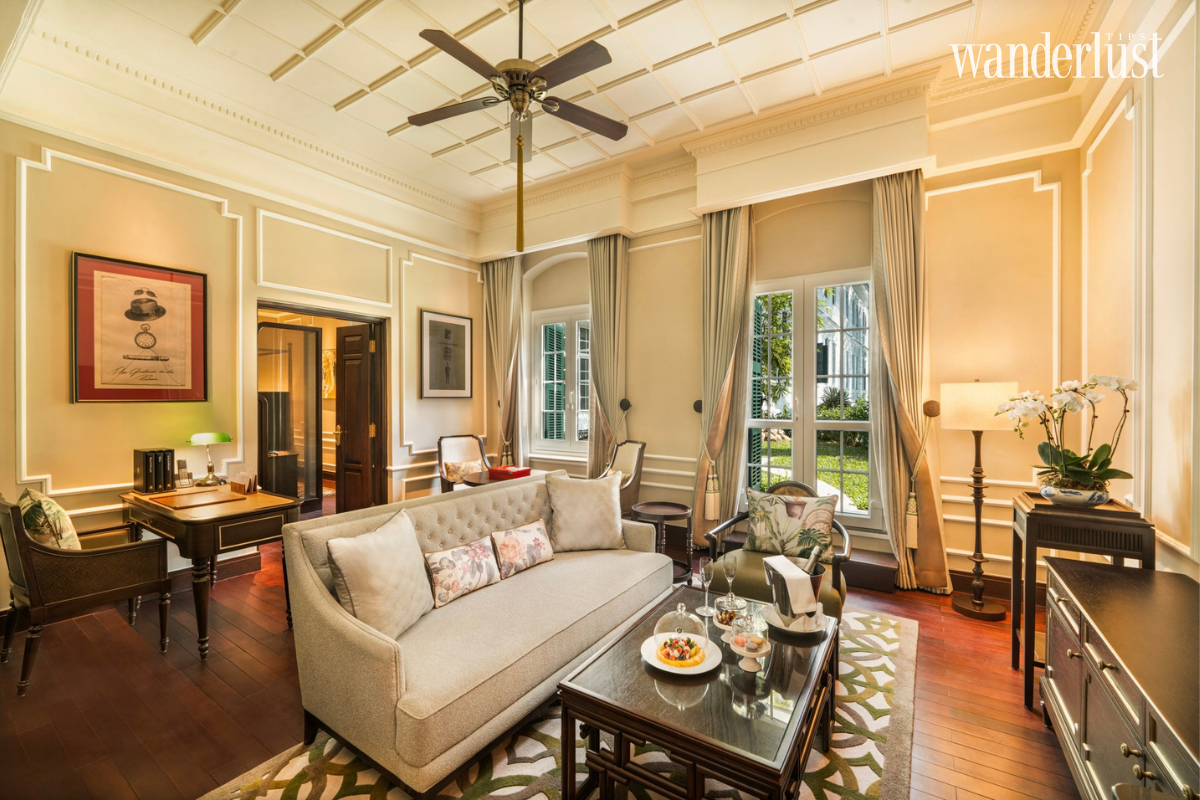
The Heritage Wing stands much as it did in 1901, while other spaces have been renewed for a contemporary sensibility. How do you hold that balance, so Sofitel Legend Metropole Hanoi remains a living embodiment of history without falling out of step with what today’s traveler expects?

We do not see the two wings as opposing worlds. Although they opened almost a century apart, guests can expect the same high level of comfort and service in either building.

The Heritage Wing offers the warmth, classical character and nostalgia of the early twentieth century. The Opera Wing has a neo-classical identity, with brighter and more contemporary touches. Ultimately, it comes down to each guest’s personal preference.

Over the years, we have continued to invest in both spaces to ensure they remain comfortable and relevant for today’s travelers. In 2023, the Heritage Wing underwent an extensive refurbishment, with most furniture renewed and modern amenities introduced within its heritage setting. Coming soon, the Opera Wing guestrooms will also be refreshed, with improvements designed for contemporary lifestyles.

Beyond the facilities themselves, Sofitel Legend Metropole Hanoi’s distinctive culinary, cultural and musical programmes also make each stay feel individual and memorable.
An unhurried grace already seems woven into Sofitel Legend Metropole Hanoi’s rhythms, in the ritual of afternoon tea at Le Club Bar, in the quiet of the Bamboo Bar by the pool. Which of these rituals has the hotel held onto most closely as time has moved on?

French art de vivre, combined with Vietnamese hospitality, has been part of Sofitel Legend Metropole Hanoi’s rhythm for more than a century. We have small rituals that we maintain every day. They are not elaborate, but consistent: a warm “Bonjour” offered with a smile, the sound of the gong welcoming a new day, or the care and precision with which afternoon tea is served.

Over time, these rituals may be refreshed to meet the expectations of today’s guests. But the spirit of Sofitel Legend Metropole Hanoi remains unchanged: respect for our guests’ time and privacy, a celebration of refinement, and a desire to make every moment of a stay memorable.

The new “Sensations Orientales” journey at Le Spa du Metropole draws on Oriental tradition. How do you see the relationship between wellness and slow travel, now that so many guests choose to retreat not simply to be entertained, but to slow down?

Wellness and slow travel come together in one important way: both encourage guests to experience things more fully, without rushing and with greater depth. Today, many travelers no longer want a packed itinerary that feels like a checklist. Instead, they seek time to reconnect with themselves, restore their energy and connect more meaningfully with a destination.

With “Sensations Orientales,” Le Spa du Metropole offers an experience that goes beyond relaxation and invites each guest to engage all the senses. Inspired by Eastern and Western traditions, it combines acupressure treatments and sculpting techniques with fragrance, a slower rhythm and the tranquillity of the space.

For me, this is an important part of modern travel. It is not about experiencing the most in the least amount of time, but about giving more quality time to oneself and one’s companions: whether that means enjoying an energising breakfast beside a lush garden or spending an unhurried afternoon by the pool.

Charlie Chaplin, Graham Greene and Somerset Maugham all once stayed within these walls, figures whose lives were defined by reflection and creation. How does Sofitel Legend Metropole Hanoi keep that spirit alive, and pass it on to guests today?

The stories of the remarkable figures who have stayed here have always fascinated our visitors. Preserving and sharing them is not only a source of pride for generations of hotel employees; it is also a way of honouring the history that has shaped today’s Sofitel Legend Metropole Hanoi: a meeting place for those who appreciate culture, celebrate creativity and seek a deeper connection with Hanoi.

We continue to nurture that spirit through cultural, artistic and culinary experiences, so guests can learn about the past while also feeling the vitality of contemporary Hanoi. These stories are not presented as a history lesson. They are woven naturally into the everyday life of the hotel: through a refreshing Charlie Chaplin cocktail, or the Somerset Maugham Suite, with its intimate garden overlooking the lush grounds.

Most importantly, we want to create a space where every guest can slow down, observe and write their own story here. In that way, heritage is not simply remembered; it continues to live through each new generation of guests.
Much of luxury hospitality is racing to be the fastest, the newest, the most talked about. Sofitel Legend Metropole Hanoi has chosen a different path, positioning itself as a living witness to history. Do you see that as an increasingly rare choice, even a bold one, in today’s market?

I do not see this as a choice that goes against the times. I see it as a way for Sofitel Legend Metropole Hanoi to preserve its identity and distinction in a market with more and more options.

Trends certainly have their value, but they often change quickly. Authenticity and service quality, on the other hand, are values that endure. History belongs to the past, but heritage is something we carry into the present and develop for the future.

This approach requires consistency and long-term investment. But perhaps that is precisely what makes Sofitel Legend Metropole Hanoi different. We do not need to follow every new trend. Instead, we choose carefully how to evolve in a way that is right for the hotel, while safeguarding the timeless values that have defined us for 125 years.

Travelers today seem to want more than a quick check-in, they’re searching for something with real depth. Looking ahead, what role do you hope Sofitel Legend Metropole Hanoi will play in shaping the slow travel movement in Vietnam?

Today’s travelers are very well informed about the destinations they choose, through a wide range of channels and especially through the experiences shared by those who have travelled before them. Their expectations are therefore higher: not only in terms of service and facilities, but also for experiences that feel personal rather than standardised. This is both a challenge and a source of motivation for our industry.

Slow travel should not be seen as a complicated concept. As modern comforts become more complete, people naturally return to experiences that feel authentic, meaningful and connected to place.

We do not set out to define a trend. Our role is to create the right setting for guests who wish to experience Hanoi at a slower, more fulfilling pace.

Wanderlust Tips sincerely thanks you for sharing your valuable insights into the art of slow travel at Sofitel Legend Metropole Hanoi. We wish you and the Sofitel Legend Metropole Hanoi team continued success.
About Sofitel Legend Metropole Hanoi

A prominent fixture in the heart of Hanoi since 1901, Sofitel Legend Metropole Hanoi has a long tradition as a luxury venue for prestigious events and a popular rendezvous for business and leisure travelers such as playwrights, ambassadors, royalty and heads of state. Blending colonial heritage with neo-classical luxury and a dash of modernity, the hotel is the first Sofitel Legend in the world and the recipient of numerous international awards for its fine service and enchanting ambiance. This legendary landmark has contributed to the richness of local heritage.

EQ Kuala Lumpur’s Executive Chef and His Journey to Elevate Malaysian Cuisine

Executive Chef, EQ Kuala Lumpur

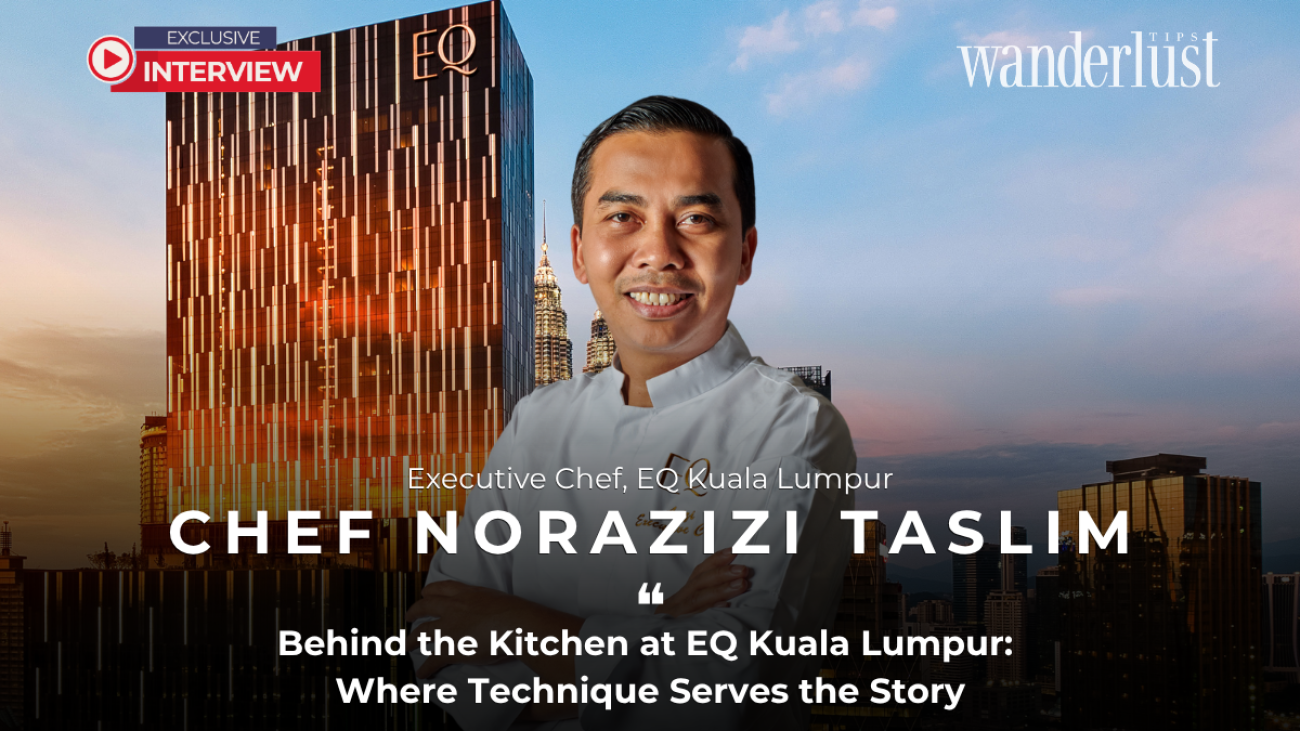
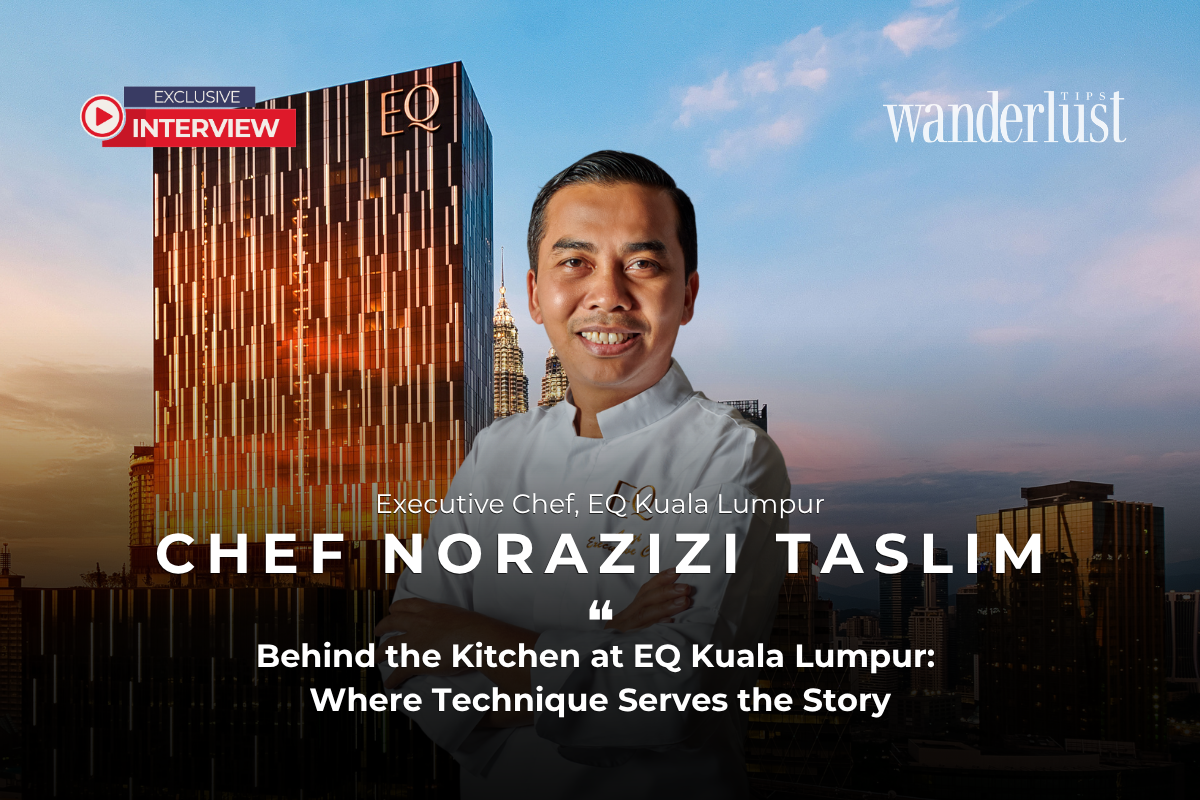
Chef Azizi and His Journey to Elevate Malaysian Cuisine

At EQ Kuala Lumpur, Executive Chef Norazizi Bin Taslim approaches Malaysian cuisine not as a tradition to be modernised, but as a story already complete in itself, one that only needs the right hand to carry it forward. In this instalment of Behind the Kitchen, Wanderlust Tips sits down with the chef behind the hotel’s culinary programme to discuss the discipline learned in Michelin-selected kitchens, the quiet partnership between European technique and Malay identity, and why he believes Malaysian fine dining has finally found the confidence to tell its own story.

Chef Azizi, thank you for taking the time to speak with Wanderlust Tips about the culinary vision behind EQ Kuala Lumpur, as part of our Behind the Kitchen feature. We are delighted to have you with us today.

You have spent much of your career championing Malaysian culinary heritage. Where did that passion begin, and what keeps it driving your work today?

The longer I spend in the kitchen, the more I realise that Malaysian food is not something we need to make complicated. The knowledge is already there. It comes from generations of people who understand ingredients, seasons, techniques and, most importantly, flavour. My appreciation for Malaysian cuisine grew as I progressed through my career and was exposed to different styles of cooking. Working with Western and French techniques gave me another perspective, and it made me appreciate our own cuisine even more. 

What keeps me interested is that there is always more to learn. Malaysian cuisine is incredibly diverse, and I believe we are still discovering how much potential it has. As chefs, our responsibility is to understand where our food comes from, respect its identity, and find the right way to bring it forward.

Of all the projects you have led throughout your career, which one do you feel best represents who you are as a chef, and why?

The experience that best represents who I am as a chef was the opportunity to lead and maintain the operations of a Michelin-selected restaurant. Maintaining that standard has taught me a lot about consistency. Anyone can have a good day in the kitchen. The real challenge is being able to deliver the same level of quality every day, with the same care and attention, regardless of how busy the operation is. It was also an important period for me because I was able to refine and improve our Malay cuisine while working within a very demanding culinary environment.

My collaborations with Michelin-starred chefs also gave me a different perspective. When you work alongside chefs who have reached that level, you realise that great cooking is not only about technique. It is about discipline, clarity and knowing exactly what you want the guest to experience. Those lessons have stayed with me.

When you are invited to craft a menu for a high-profile occasion, how do you approach the task of representing Malaysian cuisine to an audience that may be encountering it for the first time at that level?

I always start with the question: what do I want the guest to remember? If the guest is experiencing Malaysian cuisine for the first time, I want the flavours to be clear and honest. I do not think we should change Malaysian food simply to make it more familiar to an international audience. Instead, I look at the ingredient or dish and ask how we can present it with greater precision while allowing its character to remain. Technique is important, but it should support the ingredient rather than take over from it. Ultimately, I want the guest to discover something distinctly Malaysian. It may be a flavour they have never experienced before, but by the end of the meal, they should understand why it is special.

Malaysia’s food culture draws from so many traditions. How do you distill that richness into a coherent culinary identity on a single menu?

For me, it begins with having a clear point of view. Malaysia has so many culinary traditions that it would be impossible to represent everything on one menu. I prefer to identify the flavours, ingredients or techniques that best express the story we want to tell, and then build around those.

I also think it is important to understand the difference between preserving a dish and reinventing a dish. Not everything needs to be modernised. Some dishes have survived for generations because they already have a strong identity and a reason behind the way they are prepared. When we do introduce a new technique or presentation, I want it to have a purpose. The guest should still be able to recognise the soul of the dish. That balance is what makes Malaysian cuisine exciting to me.

Local ingredients are clearly central to your culinary vision. Can you walk us through how you find and build relationships with the producers behind your most important ingredients?

I believe you need to understand an ingredient before you can really cook with it. That means knowing where it comes from, how it is produced, when it is at its best and, sometimes, even understanding the challenges the producer faces. The relationship with the producer is important because it becomes a conversation rather than simply a transaction. When you have that understanding, you can make better decisions in the kitchen. It also gives us an opportunity as chefs to support local producers by giving their ingredients a platform. For me, an ingredient has a story before it reaches the kitchen. Our job is not to hide that story. It is to bring out the best of it.

At EQ Kuala Lumpur, the vision is to balance modern European technique with Malaysian culinary roots. In your kitchen, what does that balance look like in practice?

For me, technique is a tool. It is not the identity of the dish. My experience working in French brasserie and Western kitchens has given me a strong appreciation for precision, structure and technique. But when I apply those techniques to Malaysian cuisine, I always come back to the ingredient and the identity of the dish. We can refine a Malaysian dish through European techniques, but the flavour should still speak of Malaysia. 

I often think of it quite simply: the ingredient tells the Malaysian story; the technique helps us tell that story with greater precision. That is where I believe innovation becomes meaningful. We are not changing something simply to make it modern. We are finding a better way to express what is already there.

EQ Kuala Lumpur is recognised as one of the Best 10 Hotels in Malaysia. What role do you believe a strong culinary programme plays in building that kind of reputation for a hotel?

Food is one of the most personal parts of a hotel experience. A guest may remember the design of the hotel or the service they received, but food has a different way of staying with you. A particular flavour, a dish shared with family, or a meal enjoyed during an important occasion can become part of a memory. That is why I think a strong culinary programme is important to a hotel. It gives people another reason to come through the doors. It also gives the hotel a personality and a way to connect with the local community. But behind a strong culinary programme is a strong team. For me, it is not enough to create one great dish. We need to be able to deliver quality and consistency across the entire operation, every day.

Kuala Lumpur’s dining scene has grown significantly in recent years. Where do you see Malaysian fine dining heading, and what excites you most about that direction?

I think we are becoming more confident in telling our own story. For a long time, there was perhaps a tendency to look outside Malaysia for what fine dining should be. Today, I see more chefs asking a different question: how can we take what is already ours and present it at the highest level? That is an important change.

We have always had incredible food. What is evolving is our confidence in putting that food into a fine-dining context without feeling that we need to make it something else. A rendang is still a rendang. A local ingredient is still a local ingredient. What changes is our understanding of how we can present it. That is what excites me most, seeing Malaysian cuisine evolve while keeping its identity.

For a guest visiting EQ Kuala Lumpur for the first time, which dish on your menu would you recommend as the best introduction to your culinary philosophy, and why?

I would recommend our Short Rib Rendang Tok. For me, it represents what I believe modern Malaysian cooking can be. Rendang Tok has a very strong local identity. It has depth, richness and a history behind it. By working with short rib, we are able to bring another level of refinement to the dish while respecting the character of the traditional rendang. That is the approach I believe in. I am not interested in changing a dish simply for the sake of making it different. I want to understand what makes the original special first, and then see how we can give the guest a new experience without taking that away. If someone tastes the dish and still feels the soul of rendang, then we have achieved what we set out to do.

Looking ahead, what is the culinary experience you most want EQ Kuala Lumpur to be known for under your leadership?

I want EQ Kuala Lumpur to be known for a culinary programme that is diverse, consistent and genuinely thoughtful. But more importantly, I want it to be known for its people. I have spent many years working my way through different levels of the kitchen, and one thing I have learned is that every stage teaches you something. As a leader, I want to give my team that same opportunity to grow. I want my chefs to be confident in different styles of cuisine, but also confident enough to develop their own strengths and ideas. My role is not simply to tell them what to cook. It is to create the standards, give them the right direction and allow them to become better chefs.

Ultimately, I want guests to feel that there is thought behind everything we serve, from the ingredient we choose, to the technique we use, to the way the dish reaches the table. If we can make people curious about food, proud of Malaysian cuisine and happy to return to EQ Kuala Lumpur, then I think we are doing something right.

Wanderlust Tips sincerely thanks Chef Azizi for sharing his valuable insights into the culinary vision at EQ Kuala Lumpur. We wish him and the EQ Kuala Lumpur team continued success.

About EQ Kuala Lumpur

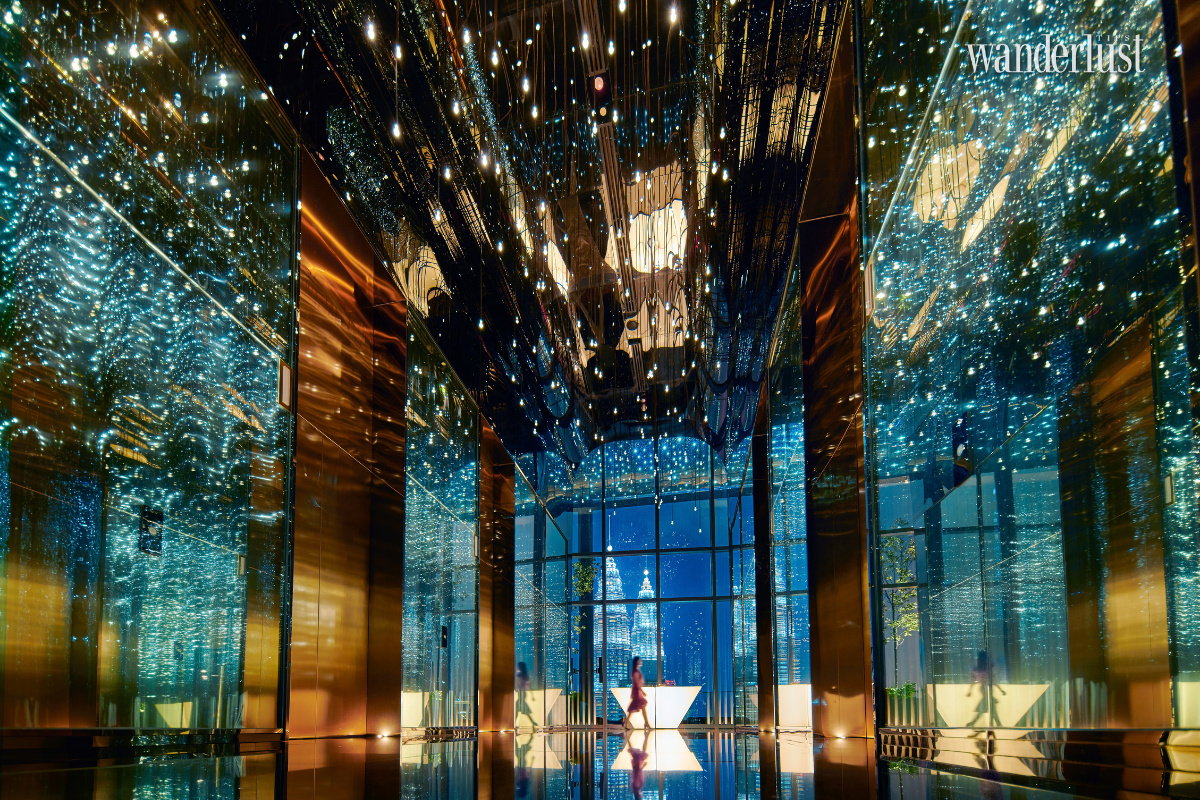
Celebrating its fifth decade in hospitality, EQ Kuala Lumpur brings together the enduring legacy of Hotel Equatorial with contemporary luxury in the heart of the city. The only property in Malaysia recognised among Travel + Leisure’s World’s 100 Best Hotels 2026, EQ Kuala Lumpur was ranked No. 27 in the World and No. 4 City Hotel in Asia.

Set within the iconic 52-storey Equatorial Plaza, the hotel features 440 elegantly appointed guestrooms and suites, exceptional dining and versatile event spaces. Highlights include Sky51, home to contemporary European restaurant Sabayon and rooftop bar Blue, with panoramic views across Kuala Lumpur. Guests can also enjoy Sanctum Wellness, a 25-metre infinity pool, Vitality Jacuzzi® and state-of-the-art fitness centre. GBI Gold-certified, EQ Kuala Lumpur combines thoughtful hospitality, wellbeing and sustainability for a distinctly Kuala Lumpur experience.

Chef Lan Nguyen: Western Technique, Central Vietnamese Flavor