

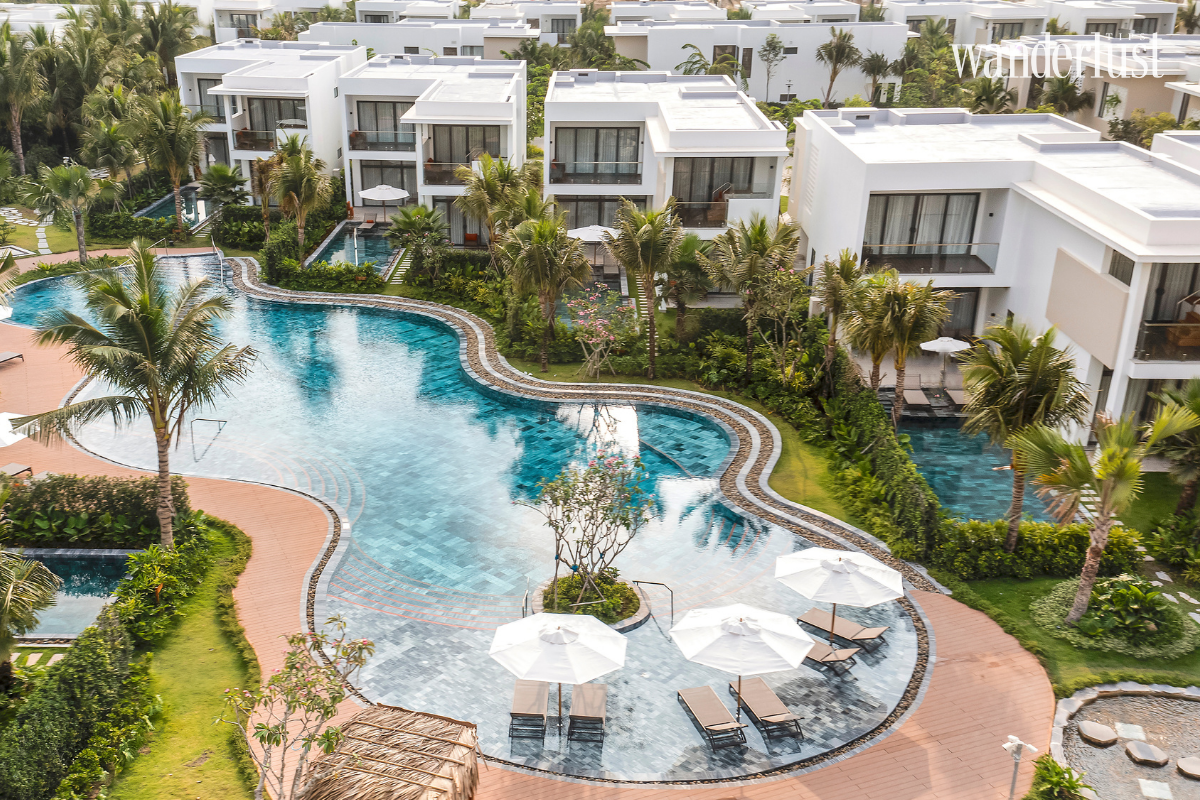
Just two hours from Ho Chi Minh City, Angsana & Dhawa Ho Tram (Vietnam) is where slowing down shows up not in grand statements, but in small, deliberate choices: an unhurried morning, architecture drawn from the native melaleuca forest. Speaking with Wanderlust Tips, General Manager Tran Tuan Vinh shares how the resort balances comfort with sustainability, and personalised experience with local identity, so that every stay becomes a journey shaped on the guest’s own terms.
Mr. Vinh, thank you for taking the time to speak with Wanderlust Tips about Angsana & Dhawa Ho Tram. We are delighted to have you with us today.
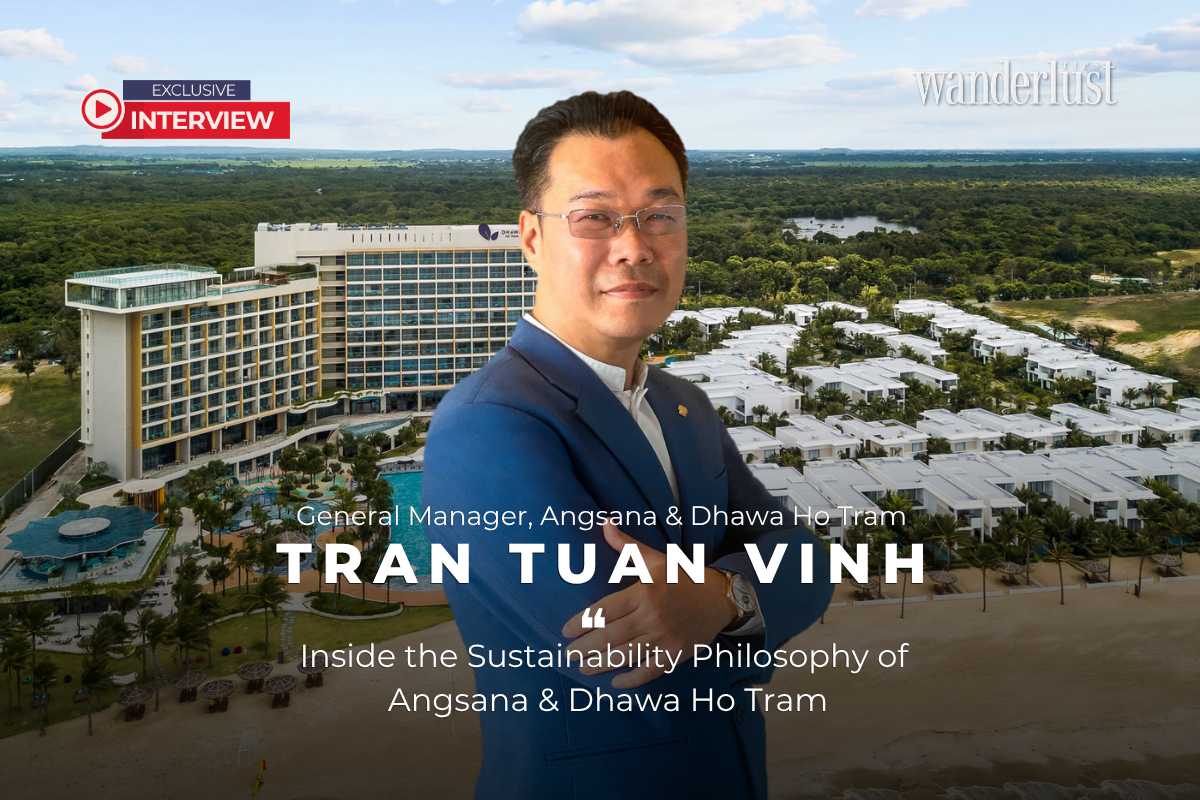
Slow travel has become something of a buzzword in hospitality. At Angsana & Dhawa Ho Tram, what does it actually look like in practice, from the design of the space to how guests spend their days here?
For me, slow travel doesn’t mean doing nothing. It means you don’t need to rush or have a full schedule to enjoy your trip.
In Ho Tram, it’s quite easy to do that. You can start your morning with a wellness activity and enjoy a slow breakfast. During the day, you can spend time at the spa or pool, join some activities, or simply ride a bike and enjoy the sea and nature.
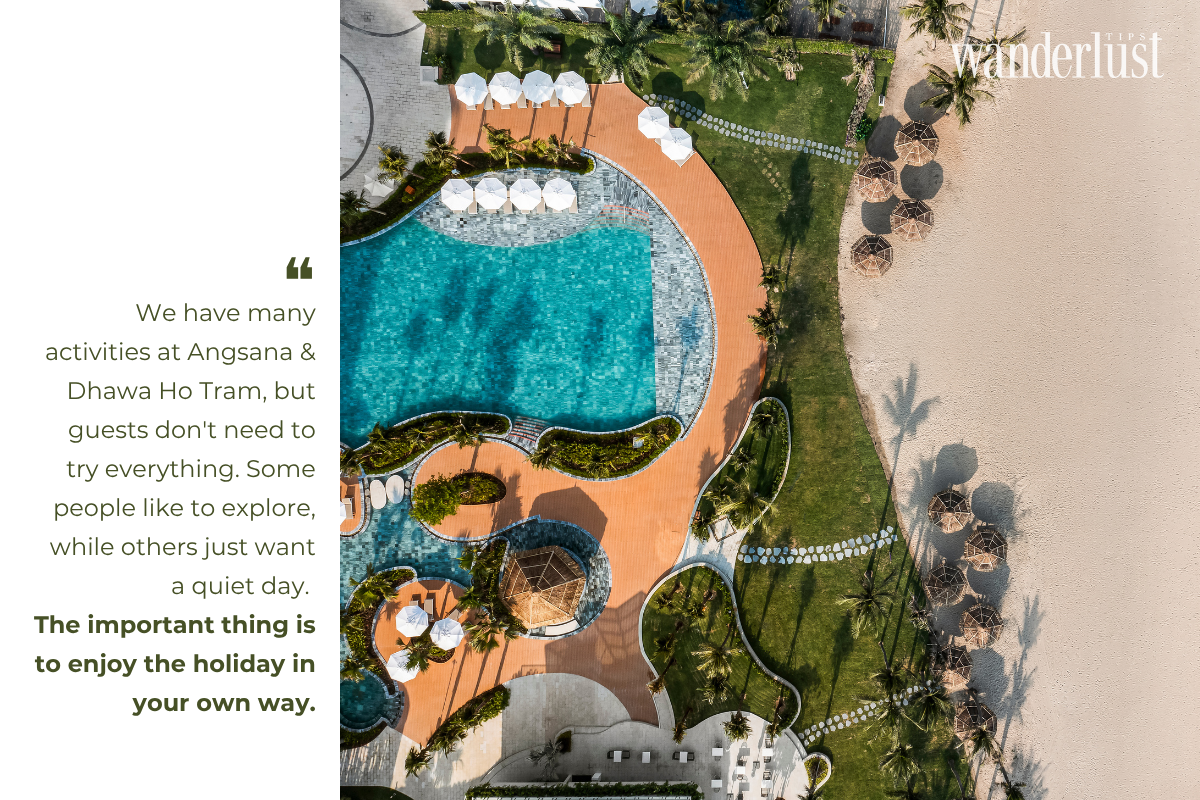
We have many activities at Angsana & Dhawa Ho Tram, but guests don’t need to try everything. Some people like to explore, while others just want a quiet day. The important thing is to enjoy the holiday in your own way.
Guests often describe a strong sense of connection to the local landscape here, something beyond the usual resort greenery. Where did that idea for the space originally come from, and what was hardest about bringing it to life?
From the beginning, we wanted guests to feel that they are really in Ho Tram, not just staying at a beach resort.
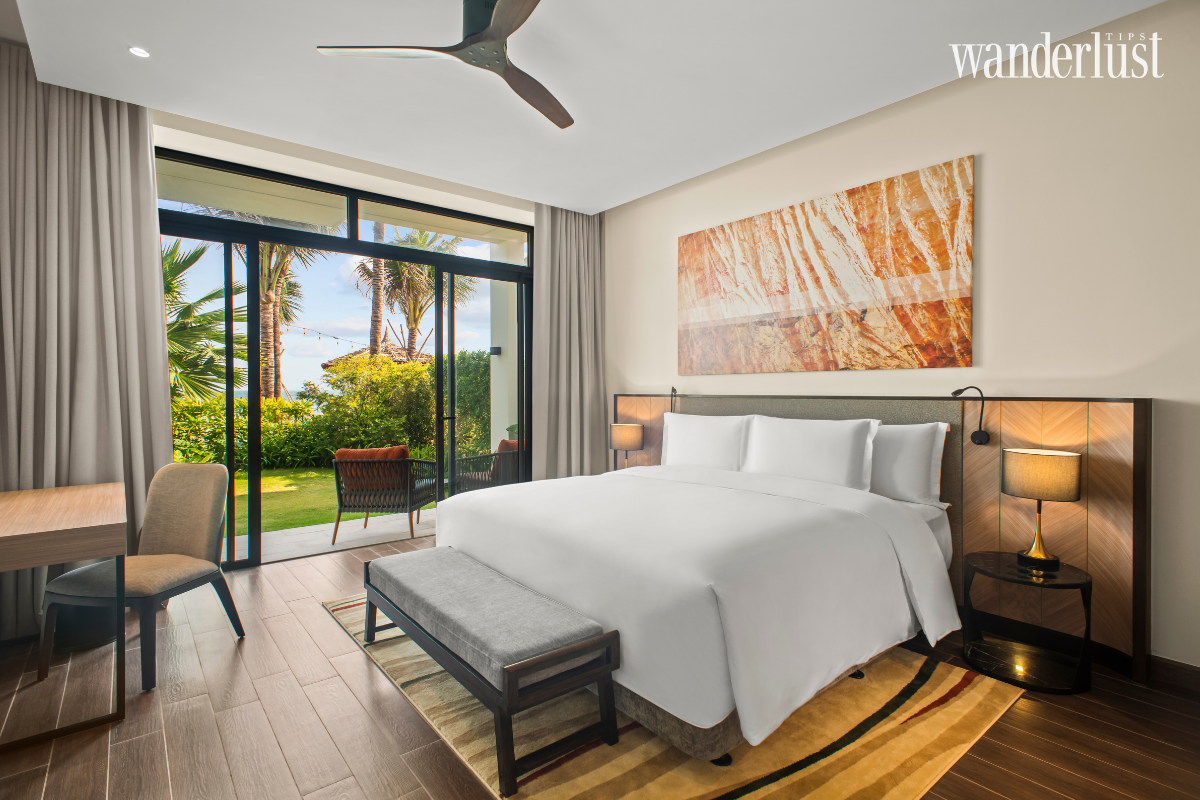
The nature around us, especially the melaleuca forest, inspired the design of our Angsana Villas. We also bring some local elements into our food and activities, so guests can discover more about Ho Tram during their stay.
The main challenge is to make sure guests are comfortable while still respecting the natural landscape and local character. That is something we continue to work on every day.
Beyond the usual pool and beach time, what experiences do you offer guests to actually take part in the resort’s environmental efforts, rather than just observe them?
We want environmental awareness to be a natural part of the stay, rather than something that feels like a lesson.
Through Stay for Good, guests can join activities such as creating art and crafts from reused eggshells and seashells. We also have ‘English is Fun’, where guests can visit local schools and spend time speaking English with the students.
If guests, especially children, leave with one new good habit or simply greater awareness of the environment, we see that as a positive outcome.
Sustainability in hospitality can sometimes stay at the level of a slogan. What standards or independent assessments has the resort put itself through to back up that commitment?
Sustainability has long been part of Banyan Group’s direction through its philosophy of “Embracing the Environment, Empowering People.”
At Angsana & Dhawa Ho Tram, we bring this into our daily operations, from managing resources and reducing waste to environmental and community activities.
We have also achieved EarthCheck Silver certification, which gives us an independent way to measure our progress. But we don’t see certification as the finish line. What matters is continuing to review what we do and where we can improve.
Reducing environmental impact day to day, from single-use plastics to energy use, often runs into a trade-off between cost and guest experience. How do you navigate that balance in practice?
This is one of the most practical challenges in running a hotel. Guests still expect comfort, and if a sustainability initiative creates inconvenience, we need to rethink how we implement it.
So we focus on changes that can work naturally within the guest experience: reducing single-use plastics, using water and energy more efficiently, and finding suitable alternatives.
Not every change is immediately visible. But if hundreds of rooms each remove one single-use item a day, over a year that makes a real difference.
How much of your workforce today comes from the local community in Ba Ria – Vung Tau, and what does the path look like for someone who joins entry-level and wants to grow within the resort?
Today, more than 75% of our team comes from the former Ba Ria – Vung Tau area, now part of Ho Chi Minh City. But the number is only part of the story.
What matters is where our local team members can be two, three or five years from now. Through training in professional skills, service and languages, as well as programmes from Banyan Academy, they have opportunities to grow into supervisory and management roles.
For us, it’s meaningful when local people can build their careers close to home and also be part of the growth of their own community.
Where do guests actually encounter local artisans or businesses during their stay, whether in the food, the décor, or the experiences on offer?
Guests can experience local elements in different parts of their stay. At Nook and Azura, we introduce Vietnamese flavours and ingredients connected to the Ho Tram coast.
At Angsana Gallery, guests can also find handmade products from local artisans, such as woven bags and hats.
It is a simple, practical way to bring more of Ho Tram into the guest experience.
For a guest who has fully embraced the idea of slow travel, what would you say is the ideal two-to-three day itinerary at Ho Tram?
I’d say, don’t try to plan every hour. Take the first day to settle in, enjoy the beach, the pool, maybe spend some time at Angsana Spa and have a relaxed dinner. The next day, try something different – perhaps a seaside activity or explore the dining at Azura and Nook. And if you have another day, go beyond the resort a little. You could visit Cicada Ho Tram, spend some time at Binh Chau Hot Springs, or join one of the local tours around the area. The idea is really to take your time and experience Ho Tram at your own pace.
The resort sits close to a nature reserve and hot springs. Are there plans to work with these destinations to extend the sustainable experience beyond the property itself?
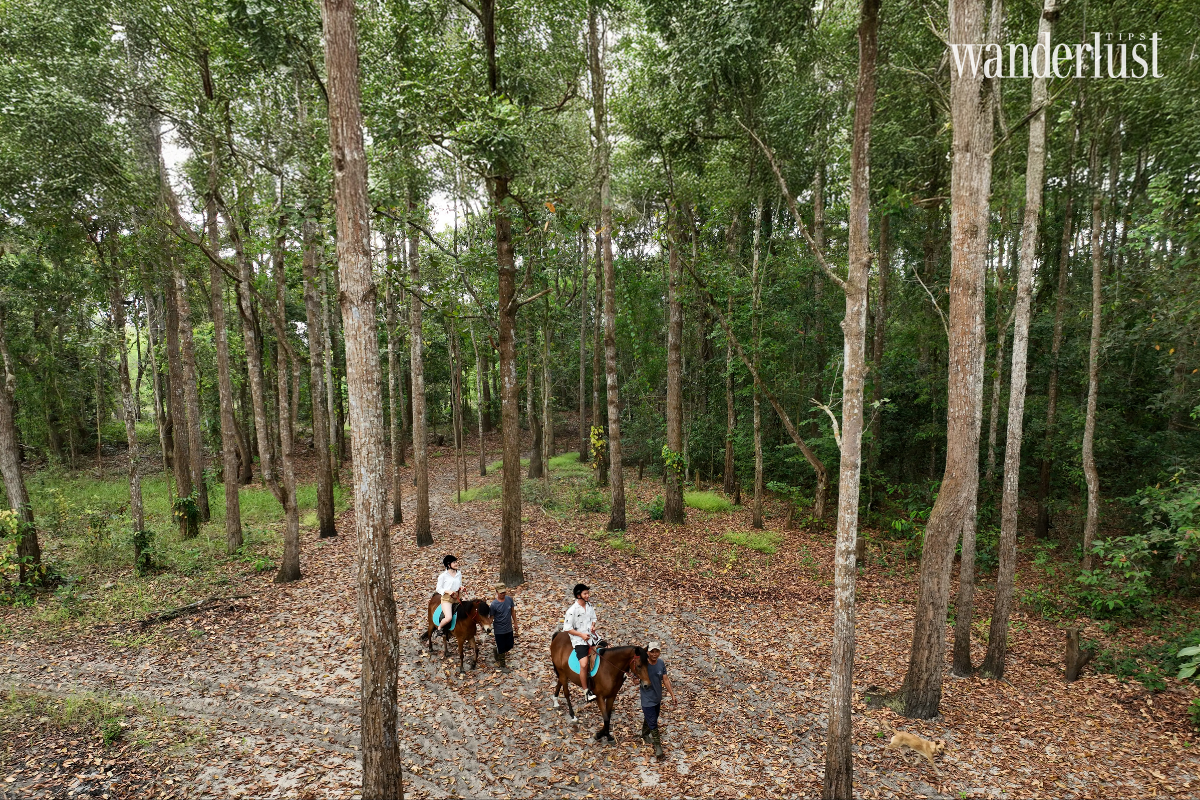
We currently recommend several experiences beyond the resort, including horse riding at Cicada Ho Tram and local tours around the area.
Binh Chau Nature Reserve and Binh Chau Hot Springs are also places we often suggest, giving guests the freedom to explore more of the nature and local life around Ho Tram – Binh Chau at their own pace.
Looking three to five years ahead, what’s the next sustainability milestone you’re working toward, and what do you most want guests to remember about the “slow” experience here?
Over the next three to five years, we want to keep improving how we use resources, reduce waste and single-use products, and create more opportunities for guests to join our sustainability and community activities.
We don’t want to make big promises. We want to focus on things we can really do and improve year by year.
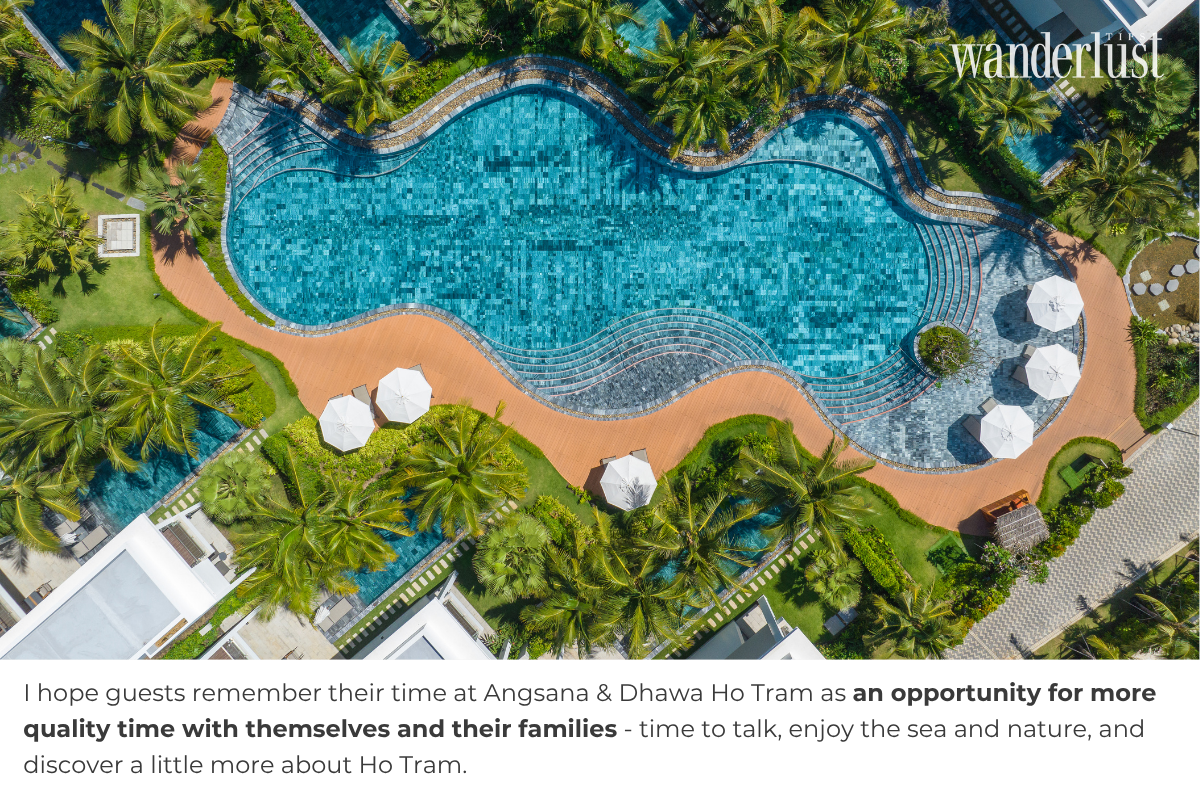
And for the slow travel experience, I hope guests remember having time here. More time with themselves and their families, time to talk, enjoy the sea and nature, and discover a little more about Ho Tram.
Wanderlust Tips would like to thank Mr. Tran Tuan Vinh for generously sharing his insights on sustainable development and the slow travel experience at Angsana & Dhawa Ho Tram.
About Angsana & Dhawa Ho Tram
Just two hours from Ho Chi Minh City, Angsana & Dhawa Ho Tram offer two distinct beachfront escapes. Angsana features 96 suites and villas across six hectares of lush greenery, inspired by the native melaleuca tree, while Dhawa brings a vibrant, contemporary spirit with modern sea-view apartments made for connection and discovery.
Cengiz Karaagac: Bringing over 40 years of experience to Vietnam