

Omakase – in the world of luxury experiences, represents the pinnacle of opulence, where it does not lie in what you can easily price, but in unique, one-of-a-kind experiences where luxury is defined by the ephemeral nature of the moment and deep empathy.
The world’s culinary scene has witnessed many peaks, but to find a format where diners are willing to close the menu, placing their entire palate and experience into the hands of a stranger, it can only be this journey. More than just a meal, this is an exquisitely refined art performance, a symphony without a predefined musical score, written by the absolute trust between the artisan and the connoisseur.
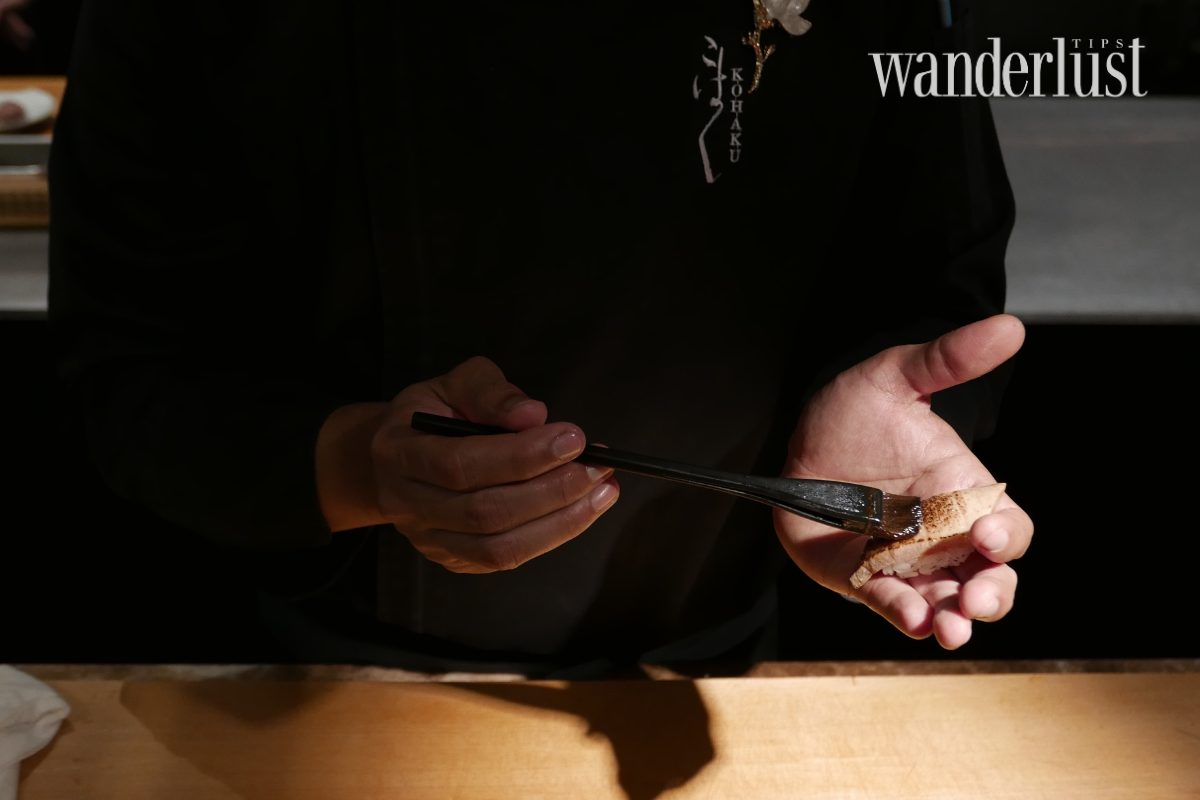
Omakase: Originating from Empathy and the Philosophy of Trust
Originating from the original Japanese phrase “Omakase shimasu” which carries a profound meaning: “I trust and leave everything entirely to you.” Unlike the West, where diners always want to control the banquet by ordering, Omakase is a poetic revolution of relinquishing control in exchange for surprise.
Born and flourishing since the 1990s in Japan, Omakase was initially the perfect solution for busy, affluent diners who wanted to enjoy the freshest catches of the day but did not want to waste time deliberating over a thick menu. Over time, this philosophy has transcended the boundaries of a mere service method, becoming the ultimate standard for global gourmands thanks to three core pillars:
- Reverence for the seasonality (Shun): The Itamae (head chef) will not serve what the restaurant has, but what nature bestows at its peak of perfection on that exact day.
- The spirit of devotion (Omotenashi): Selfless hospitality, where every gesture and the pacing of each dish are calculated to bring absolute comfort to the guest.
- The unique connection: Your Omakase meal today will never be repeated tomorrow. It depends on the catch of fish that just landed from Toyosu market in the morning, on the chef’s mood, and even on your own flow of emotions while sitting before the wooden counter.
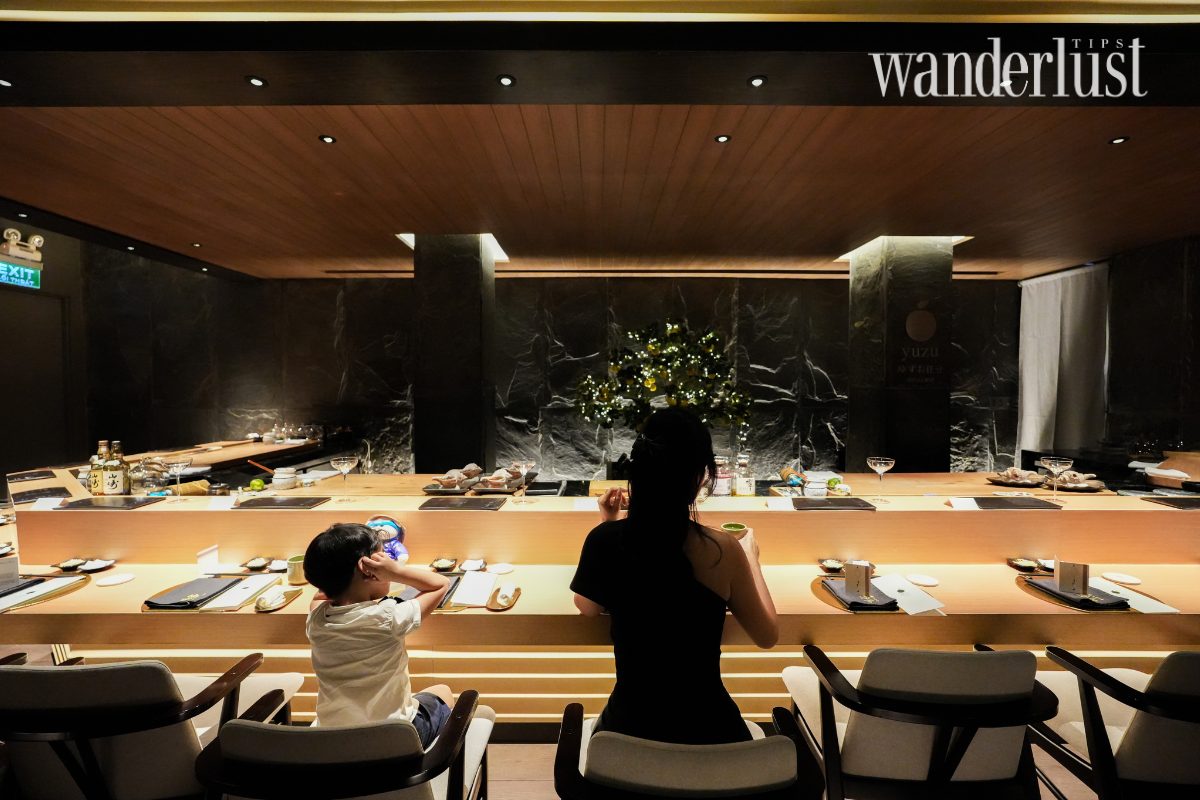
Omakase: The Stage of Senses on a Hinoki Wooden Backdrop
A true Omakase feast is an experience that awakens all five senses, where the restaurant space is condensed into a minimalist yet powerful “art stage.”
Sight: The Touchpoint of Minimalism and Aestheticism
Stepping into a premium Omakase space, your eyes will be drawn to the counter made of centuries-old Hinoki wood (Japanese cypress), rustic yet exuding a unique, gentle fragrance. Free of redundant decorative details, all spotlight focuses on the chef’s hands and precise cuts. Each unique, handcrafted Shino or Bizen ceramic plate is meticulously selected, acting as picture frames that honor the natural colors of the ingredients.
Hearing: Emotion-Evoking Sounds
Amidst the tranquil space, your hearing will be continuous soothed by the sound of the Yanagiba knife gliding smoothly through the fish fillets, the gentle rice-pressing sound of the artisan, and the warm, understanding narration of the Itamae as he explains the origin of a piece of rich Otoro tuna belly or a cluster of golden Uni sea urchin.
Taste & Smell: A Symphony of Temperature and Time
The refinement of Omakase lies in the fact that every dish is served at the perfect temperature. A piece of sushi, when it just touches the diner’s palm or plate, usually shares a temperature equivalent to human body heat. That is the moment when the rice grains achieve their ideal tenderness and stickiness, harmonizing with the richness of the fish and a hint of warm, pungent fresh wasabi grated directly on sharksakin. The flavor transition from light, gently tart appetizers (Otsumami) to rich, savory sushi pieces creates an emotional rhythm that rises and falls gracefully like a symphonic movement.
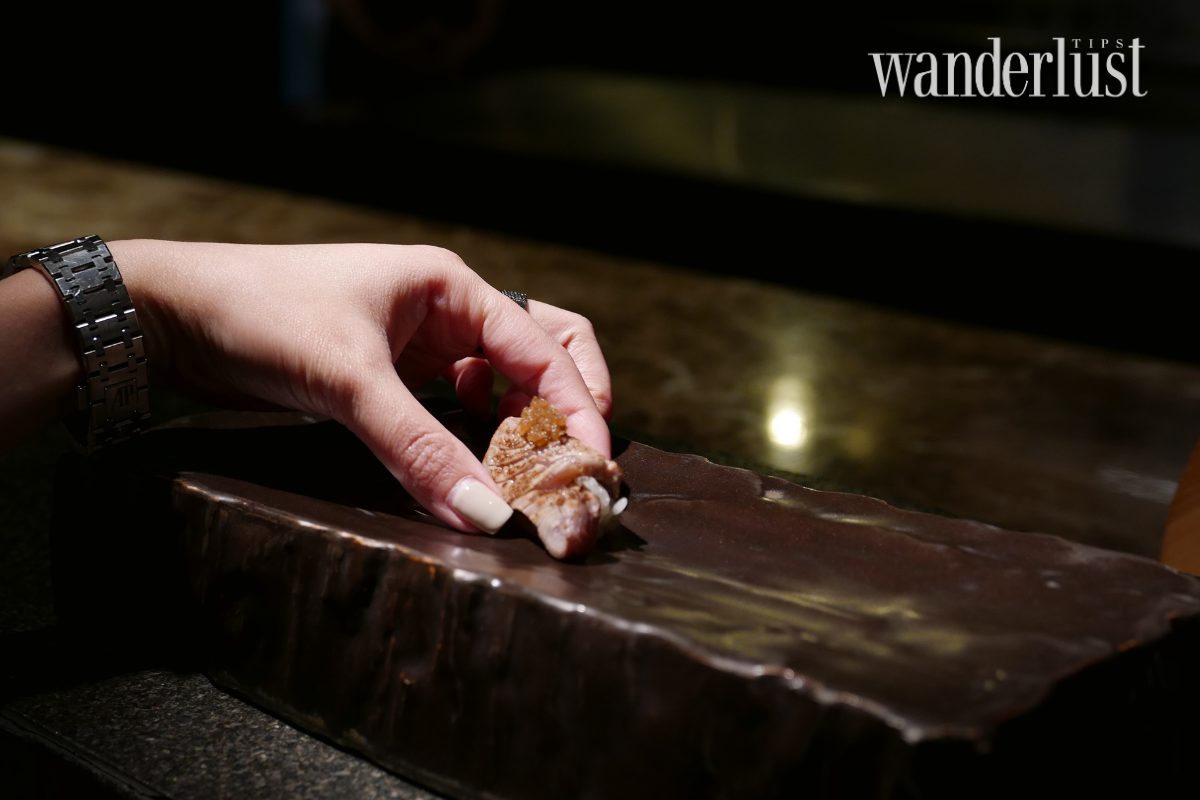
Omakase: Etiquette at the Affluent Counter
Because Omakase is a two-way dialogue, the perfection of the feast is not only decided by the chef, but also depends on the refinement of the diners themselves. To become a tasteful Omakase connoisseur, enthusiasts always respect the unwritten, heritage rules:
- Respecting the supreme timing: Please enjoy the sushi within 10 to 15 seconds after the chef places it on the plate. This is the golden window when the structure of the rice and fish is in absolute balance regarding both temperature and moisture.
- Enjoying with hands or chopsticks: For sushi pieces with a loose and juicy texture, using your fingers to pick them up gently from the bottom is considered the most sophisticated way to enjoy and show the utmost respect for the chef’s effort in pressing the rice.
- Entrusting without perfume: A refined diner will refrain from using overly strong perfumes when coming to an Omakase counter. The original aroma of the Hinoki wood, Japanese shiso leaves, or the light smoke from Binchotan oak charcoal needs to be preserved entirely so as not to disturb the sense of smell of those around.
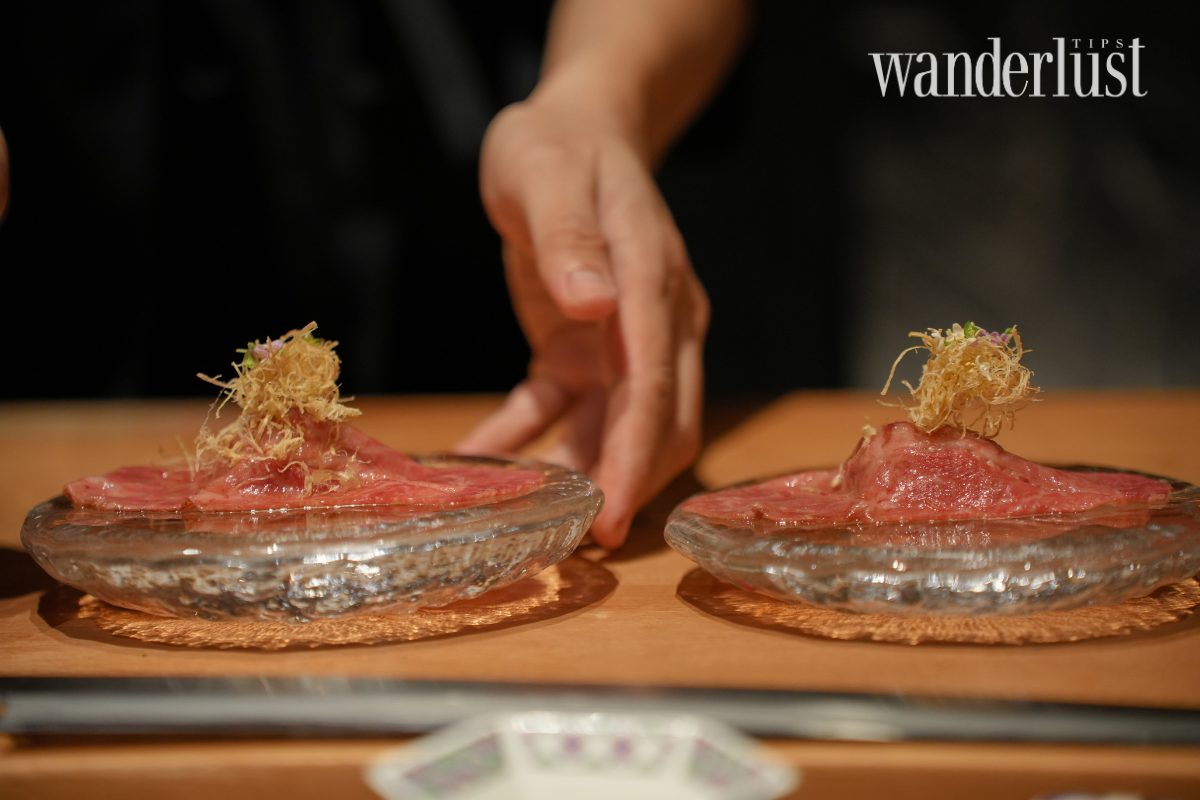
Omakase: A Unique Experience for the Soul
Transcending a trendy culinary movement, Omakase is the most vivid symbol of the “Quiet Luxury” lifestyle – opulence in tranquility. It does not flaunt itself with flashing signs, nor is it mass-produced with hundreds of seats, but is encapsulated within the absolute privacy of a counter with only 6 to 12 VIP seats.
When you close the menu and smile, saying “Omakase,” you are not just buying a premium meal. You are investing in an evening of connection, where you listen to the stories of the ocean, admire the pinnacle of craftsmanship, and above all, experience the ultimate luxury: Peace of mind when being cared for by a true artisan.
Explore related articles: