

There was a time when a Michelin Star (or three), a glowing review, and a photo of a dish artfully placed amidst smoke and captivating illusions meant restaurants were booked solid for the next quarter. But 2025 tells a different story.
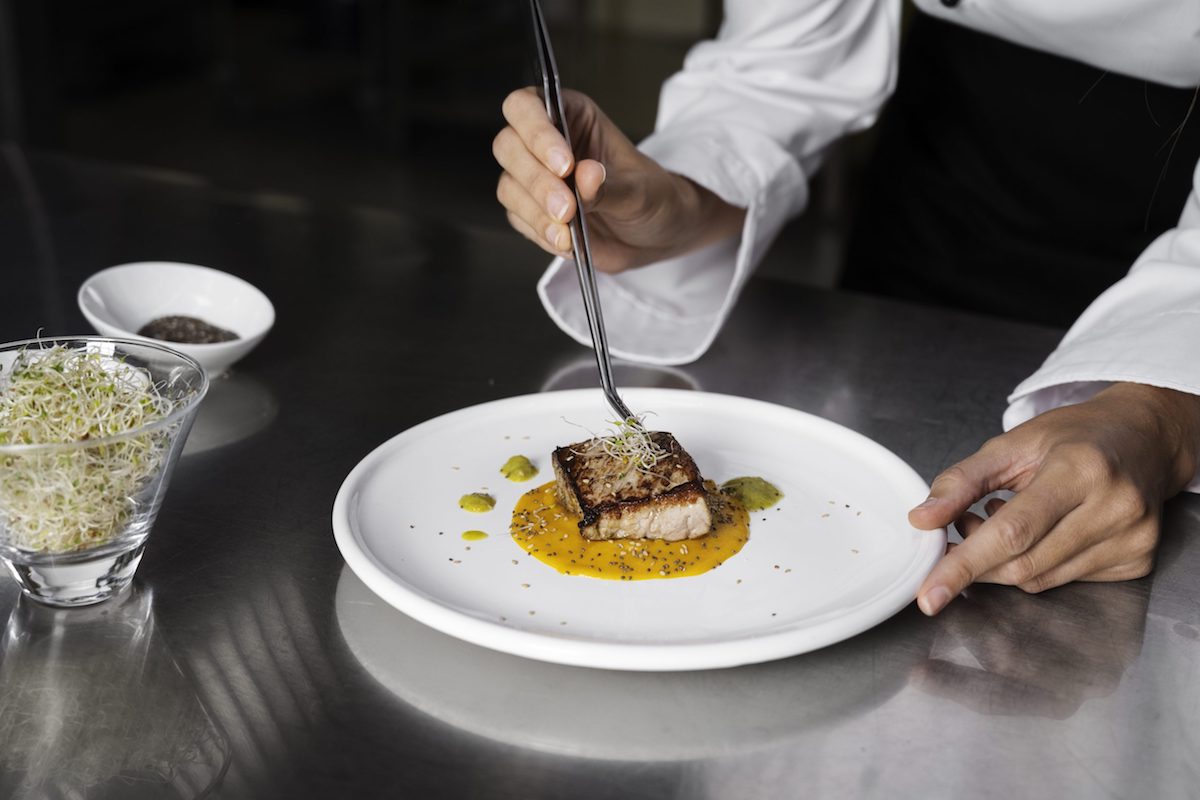
Singapore is witnessing a grim record: an average of over 300 restaurants and eateries are closing each month, from casual spots to white-tablecloth establishments. Even Michelin-starred names are bowing out: Euphoria, Alma by Juan Amador, and Esora have all quietly closed their doors, just weeks after the lively awards ceremony.
In Singapore, you can have a restaurant that’s always full – and still lose money
Chef Bjorn Shen of Artichoke said
When the Michelin Stars Aren’t Bright Enough
Once a source of pride, a Michelin star no longer seems to guarantee survival. The honor has turned into pressure. After all, a star can’t cover the escalating cost of ingredients or exorbitant rental fees.
Talented chefs, like Jason Tan of Euphoria, are succumbing to the harsh reality: “You can’t operate a restaurant without meeting minimum staffing levels.”
The era of “if you cook it, they will come” is over. Today, diners save up to fly to Bangkok for a meal, while local restaurants struggle with rent, labor, and supply costs.
There was a time when a star (or three), a glowing review, a photo of a dish with alluring smoke and stones – and just like that, the restaurant was booked for the next quarter. But 2025 tells a different story.
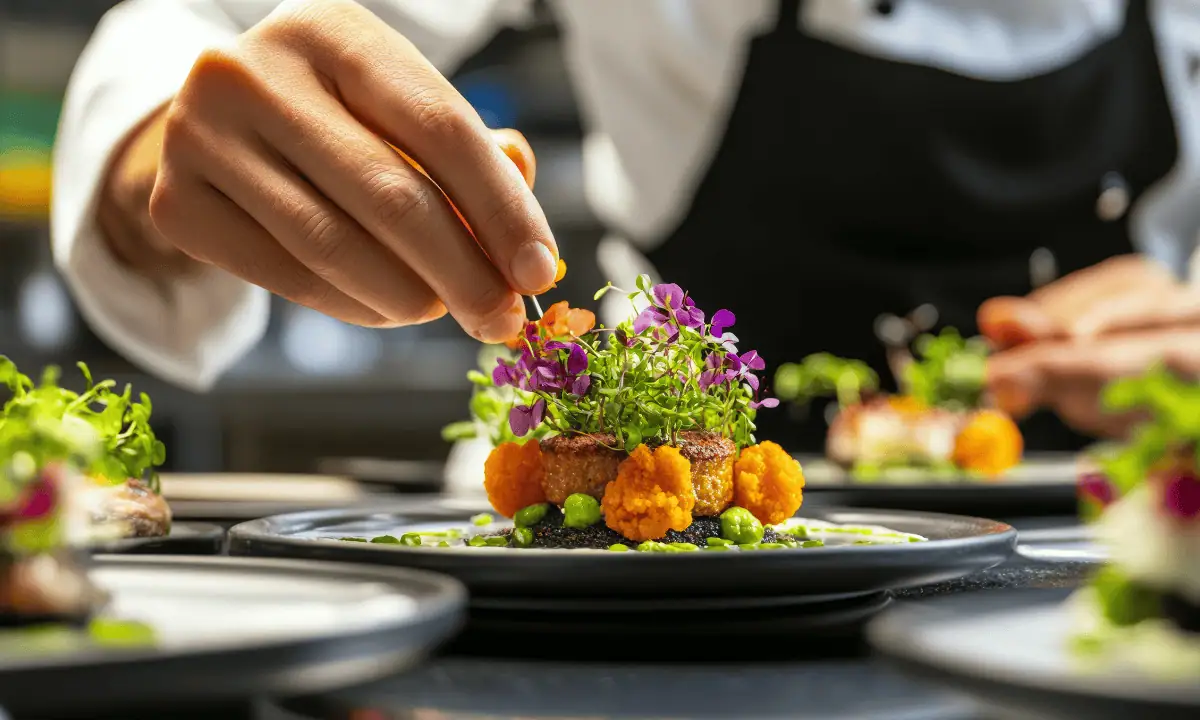
When Awards Lose Their Value, Who Still Believes in the “Stars”?
Singapore’s food connoisseurs still include loyal Michelin followers, but a growing number are choosing a different path.
Awards don’t influence my dining choices. I trust my friends more, and sometimes, all it takes is a walk around the neighborhood to find an interesting, authentic spot.
Su Hui, a seasoned diner shared.
It’s understandable, especially when a “Michelin-starred chef” can now be anyone who once… worked as a line cook in a restaurant that used to have a star. “That title has been so overused it’s become meaningless,” adds Bjorn Shen.
Another challenge is that instead of relying on awards, many restaurants now depend on the influence of social media. Michelin was originally created as a guide for drivers; now, we have Instagram and TikTok to decide where to have dinner.
In Singapore, where everything is meticulously planned down to the millimeter, dinner is sometimes the one thing people want to leave to emotion. But even those emotions seem to be getting more expensive than ever.
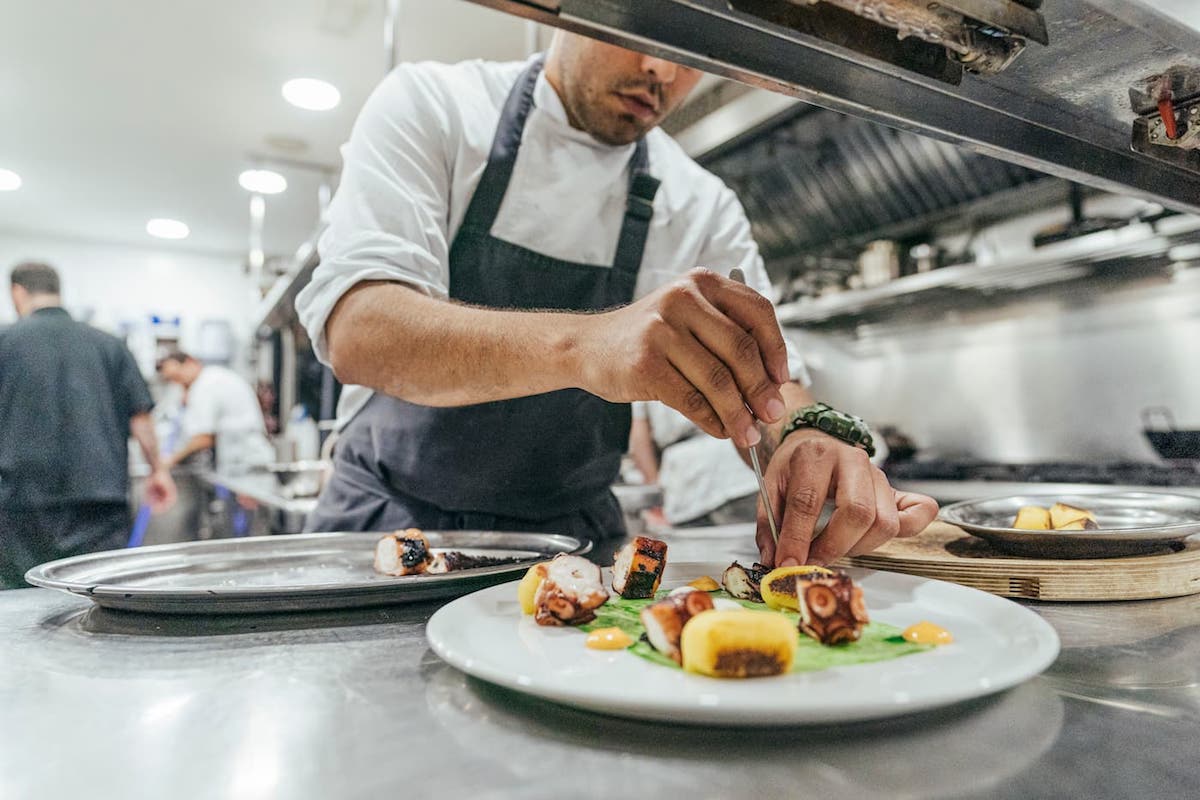
When Cuisine Becomes… a Business Again
The truth is: a restaurant must know how to operate as a business.
“Star or no star, the most important thing is to understand your business model,” shares chef LG Han of Labyrinth. “You have to know your costs, profits, cash flow—and more importantly, who your customers are.”
The success of Labyrinth, which has maintained its star for nine consecutive years, comes not only from the quality of its food but from how Han has built a contemporary Singaporean brand that is always evolving, always with a new story to tell.
Other restaurants are adapting differently: Rhubarb has been reborn as Encore by Rhubarb, with a friendlier style and more accessible prices. Ma Cuisine opened a spin-off, Bonjour Ma Cuisine, serving French-style breakfast to a packed house.
Fame is Temporary, Loyalty is Lasting
In a rapidly changing market, perhaps the most valuable thing isn’t the stars, but the customer who comes back a second time.
As Verena Chin, who dines out four times a week, says: “I still return to the places I love, not because of a title, but because of consistency. The century egg congee at Imperial Treasure is always as good as I remember. And maybe that’s the real ‘star’.